
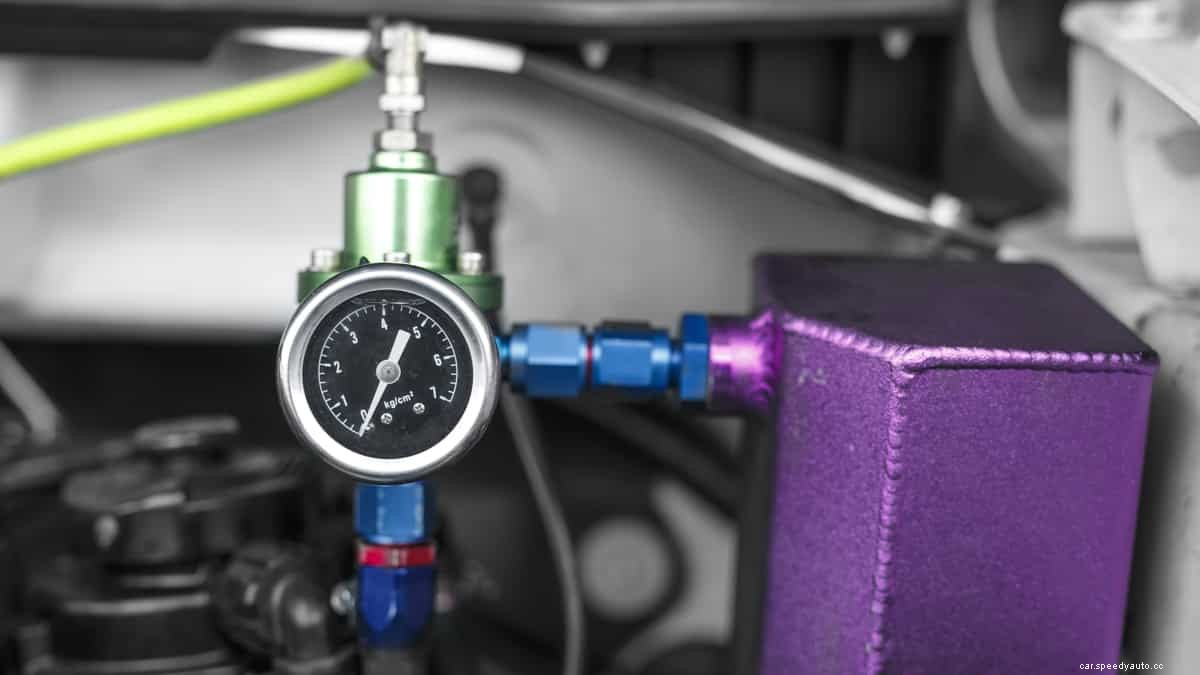
A vehicle requires proper fuel delivery to its engine to function properly.
At least 4 components make up a vehicle’s fuel system, including the fuel pump, fuel pressure sensor, fuel rail, and the ECU, which monitors everything.
Naturally, if the pressure is not according to the manufacturer’s recommendations, you will experience little to no response from the car’s engine.
In this article, we will discuss the various symptoms that arise from low fuel pressure and the causes of it. Let’s take a quick look at the common signs you may notice if the fuel pressure is low:
The most common symptom of low fuel pressure is an unresponsive throttle or a stalling engine. You may also notice signs like difficulty starting the car, a check engine light on the dashboard, misfires, or low performance.
As you can see, many issues can occur because of low fuel pressure due to the importance of the engine’s right fuel pressure for the right air-fuel mixture. Here is a more detailed list of the 7 most common symptoms of low fuel pressure.

All cars require proper fuel delivery to their cylinders for them to run properly. If you feel any lags in your car’s pickup, there is a big chance that there is something wrong with your car engine’s fuel pressure.

Low fuel pressure will also make it hard for you to ignite your car’s engine. At the starting moment, the car requires a lot of fuel, and if it is not getting the right amount of fuel, it will probably not start.
You might feel it takes longer to start your car, or maybe it takes more than one try for a successful ignition. You might also hear some spluttering while trying to start your car.
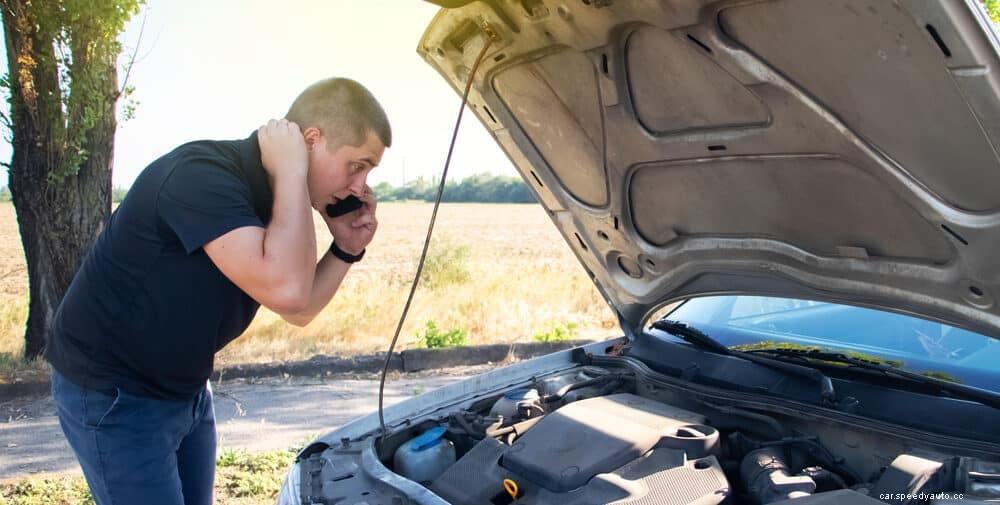
If your car’s engine stalls while running or at idle, it is a clear sign you are having some problems with your fuel pressure. This may be due to fluctuations and sudden drops in the fuel pressure.
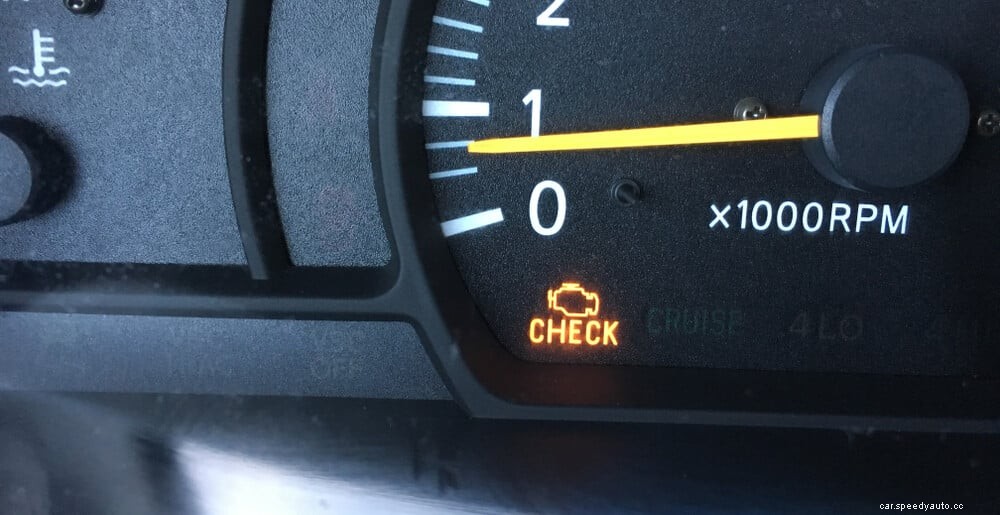
Today’s electronic cars have a fuel pressure sensor that intelligently calculates if anything is going wrong with the fuel pressure.
Generally, with such a problem, you will get a P0190 code accompanying your problem. If the check engine light occurs, you should read the trouble codes with a diagnostic scanner to determine the problem.
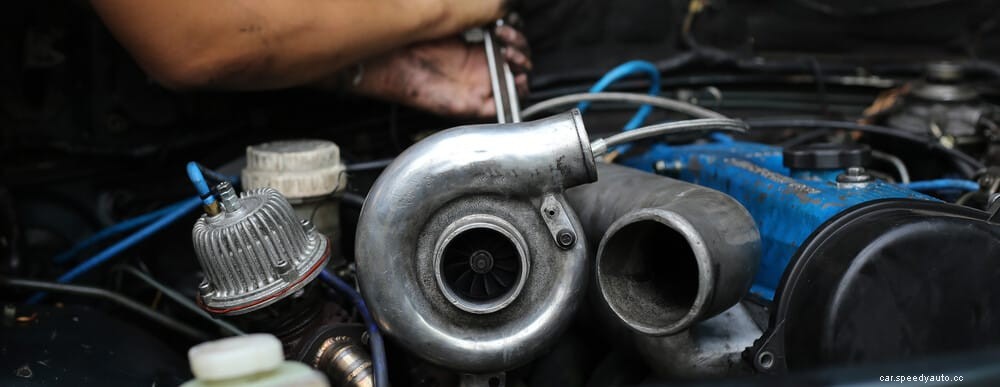
Many people might not have turbos in their cars, but those who do have another way of knowing if there’s something wrong with their fuel pressure.
The turbo system uses air and pressurizes it to create a turbine-like effect on the engine, allowing it to create more power.
However, if you feel your turbo is taking too long to spool, there might be something wrong with your fuel pressure.
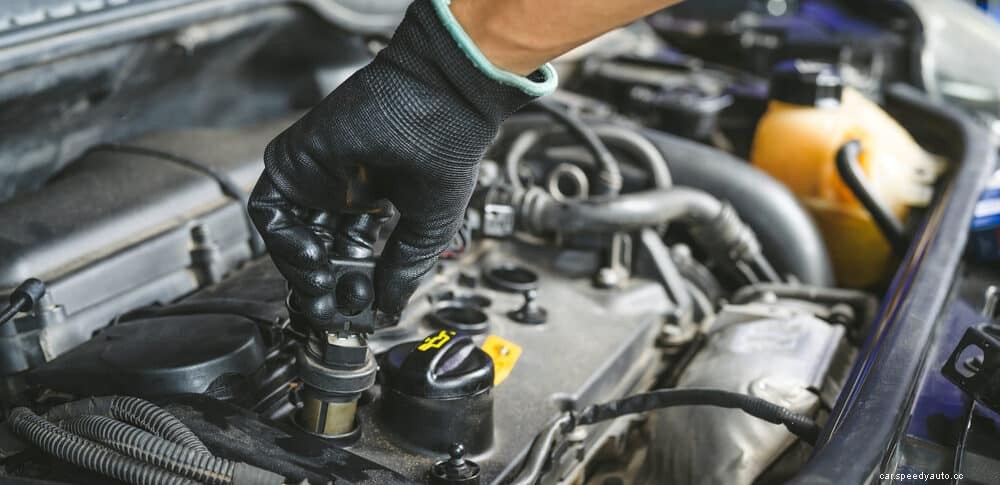
Low fuel pressure in the fuel system will cause a faulty air-fuel mixture and then, in return, cause weak combustion. This can be felt as misfires on acceleration or even at idle.
Fortunately, the fuel system in a car requires only minor tweaks. Sometimes the problem is minor, and at times, it can be huge.
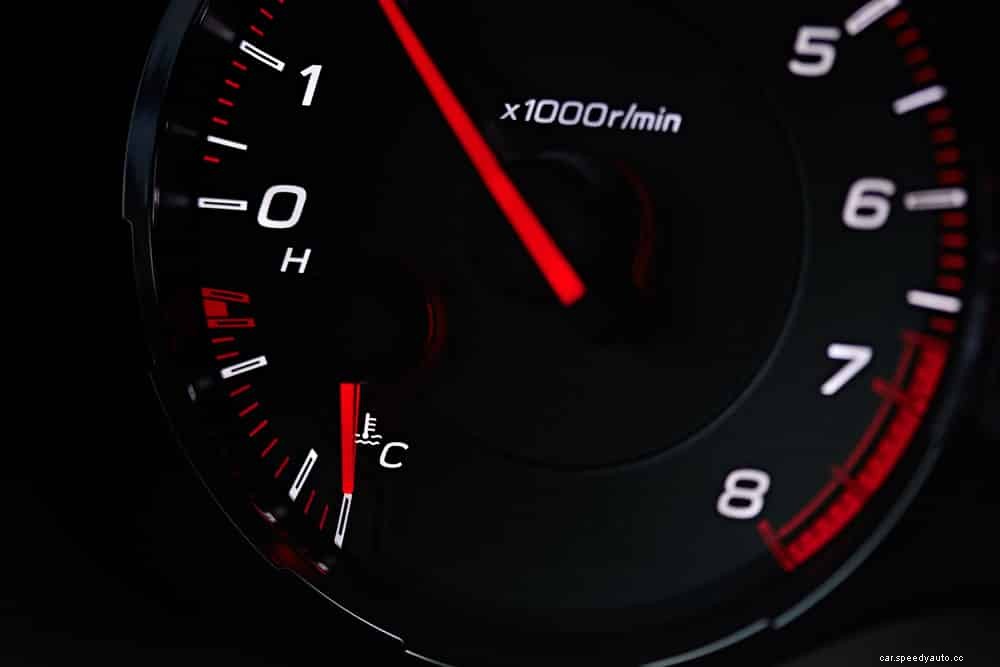
The most common symptom of low fuel pressure is a wrong air-fuel mixture, which will cause your car’s performance to drop drastically.
If you feel that your car’s performance is much worse than it usually is, it is time to check your fuel pressure.
The most common causes of low fuel pressure are a clogged oil filter or a bad fuel pump. It can also be caused by a bad fuel pressure regulator, a stuck fuel injector, a fuel pressure sensor, or a smashed fuel pressure line.
Here is a more detailed list of the most common causes of low fuel pressure:
The fuel filter cleans the fuel entering the engine. The fuel filter should be replaced within special intervals, and if you have not changed it for a long time – it might be a clogged fuel filter causing low fuel pressure.
A bad fuel pump is probably the most common cause of low fuel pressure. It happens that the fuel pump is becoming slower or damaged inside, which causes it to not being able to push enough fuel to the engine. This causes low fuel pressure.
The fuel pressure regulator controls the fuel pressure in the fuel rail. If there is something wrong with the fuel pressure regulator, it can create too low or too high fuel pressure in the rail. It is not very common that this part fails, but it can happen.
If one of the fuel injectors is damaged and stuck open, this can cause a low fuel pressure in the rail. You will often notice this by misfire codes on a specific cylinder at the same time.
If you have been driving on a bumpy road or offroad in a while, there is a risk that you hit a stone or something similar.
The fuel pipes under the car are often made out of steel or aluminum, and if you hit a stone, there is a risk that these became compressed – which will, in return, result in low fuel pressure.
The fuel pressure sensor feels the pressure in the fuel rail. Some cars have electric fuel pressure regulators, which is controlled by the fuel pressure sensor.
If your fuel pressure sensor reads the wrong pressure, it might trick the fuel pressure regulator into releasing the fuel pressure.
