
Fuel injectors, although small in size, play an extremely important role in the way your engine performs. Common rail fuel injectors are the most widely used type of injectors in diesel engine trucks. If you’ve noticed a drop in performance, heavy smoke, misfires, etc., it could be that your common rail fuel injectors are the ones to blame.
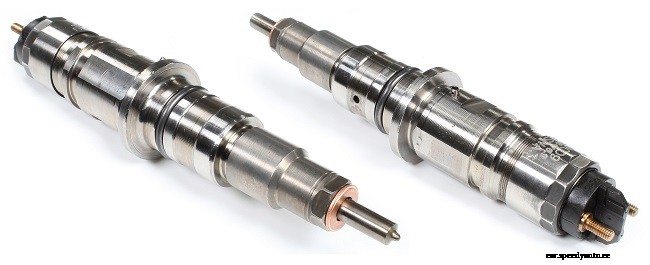
This post is dedicated to answering some of the most common questions asked when about common rail fuel injector failure and what causes them to fail. DFI is committed to giving you as much information as possible so that when a problem appears, you know what to do!
There are several signs that a common rail fuel injector is or will become defective. The symptoms mentioned below can occur by themselves or are combined with other issues, making the initial problem that much harder to pinpoint.
Added smoke is one of the most common issues of a failing fuel injector. While it is normal for a diesel, or any internal combustion engine for that matter to produce smoke, increased smoke is something to keep an eye on.
Fuel injectors are engineered to create a fine mist or atomization when open, making the combustion process that much more efficient. When a fuel injector is clogged, the fuel coming out is something more of a slow drip.
Common rail fuel injectors could be the reason that your diesel engine doesn’t want or has an extremely hard time starting up.
Rolling coal is popular on normal trucks, but an unnecessary amount of black smoke coming from your rig is never a good sign. This applies to stock ECUs that don’t have an aftermarket tune installed.
Failing common rail fuel injectors can end up putting too much fuel in the combustion chamber. Unburned fuel will come out in the exhaust stroke and can end up clogging the DPF filters.
If the regeneration period seems to take less time than usual, you might want to have a closer look at your injectors as they may be to blame for this issue.
Most of the problems noted above are due to the injectors remaining stuck in the open position. Why does this happen? It could be due to several reasons, but most likely is caused by water or dirt that has gotten into the system. Changing your fuel filter regularly is critical if you want to reduce the chance of this happening.
A leak test is can be performed to make sure common rail fuel injectors operate within their specified parameters. Unfortunately, some Duramax engines came with stock injectors that were poor in design from the very beginning. Therefore, a leak test is more common on these types of injectors.
Mileage plays a big role in the overall condition of common rail fuel injectors or any engine component for that matter. Its common knowledge that higher mileage engines will be more prone to a higher risk of issues and injectors are not immune from that.
Ball seat erosion is common on engines that have seen have seen countless hours and miles of hard use. This happens when the pressure of the fuel is so great that it ends up physically deteriorating the fuel injector’s tips. Luckily, these issues can be resolved by rebuilding the injectors.
Lastly, time is one of those things that just can’t be turned back. Even if you’ve babied your truck and made sure didn’t put on too many miles, time itself can take a toll on injectors. As far as we know(or anyone for that matter), there isn’t much one can do to turn back the hands of time.
The best thing one can an owner can you to prevent common rail fuel injector problems is to get the right get quality fuel. Not all diesel is created equally, and trying to save a few dollars by going to a cheaper gas station to fill up may end up causing you more in the future.
Operating conditions are another factor that can end up wreaking havoc on common rail fuel injectors. Yes, diesel engines are made to be more robust when compared to gasoline engines, but they can’t go on forever without proper maintenance.
Finally, condensation is one of those issues that is not taken too seriously until it’s too late. As the diesel in your tank warms up, the empty space in your fuel tank creates moisture which can make its way to the injectors and create problems. Draining your filter regularly can help with this.
If you notice any of the problems mentioned above, one of the first steps is to scan your engine for fault codes. An authorized shop with the proper equipment should be able to tell you if the flow rates are equal or if one injector is reading more/less than the rest. Even if there isn’t a check engine light on your dash, your injectors could still be faulty.
DFI is dedicated to helping you resolve any diesel engine problems, regardless if they were listed in this post or not. Our ASE-certified techs are standing by and ready to help you resolve any issues you might have. Give us a call at (855) 212-3063 or request a quote online today!
