
With so many parts hiding inside today’s drum brakes, replacing them is not for the faint of heart. Dealership technicians probably work on drum brakes at least once a week, and brake specialists probably more than once a day. After years in the business, these professionals can offer tips to make DIYers’ foray into replacing drum brakes a little bit less complicated. The next time you’re tackling a drum brake replacement, keep these three pro tips in mind to make the job easier.
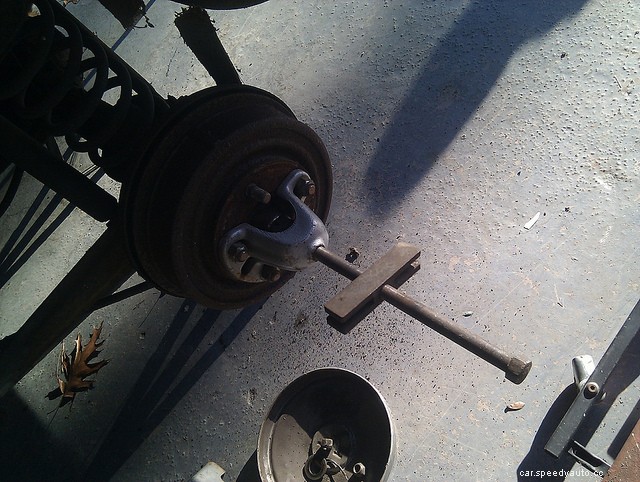
Sandwiched between the wheel and wheel hub, brake drums may not move for months. The brake drum is already a tight fit on the wheel hub, as a tight clearance is necessary to keep the drum centered. Over time, rust forms, taking up more space than the original metal, often locking the brake drum to the wheel hub. To remove stuck brake drums, there are a few proven methods:
There are several different brake tools, such as for removing and installing tension springs and retainers or adjusting the brake self-adjuster. When you’re replacing drum brakes, you’re going to get a lot further — and work faster and safer — by choosing the right tools for the job.
You might be able to get by with channel-lock and needle-nose pliers and a big flat screwdriver, but these are general tools meant for general applications. Consult your local NAPA Auto Parts store expert to find the tools designed for your vehicle.
Getting the right parts is usually easier than choosing the right supplies, and the wrong supplies can cause problems down the road. Use brake cleaner and a brush to clean away rust, brake dust and old lubricant from the backing plate, wheel hub and parts to be reused, and have the following items on hand:
Remember to use any lubricant sparingly to reduce the chance of contamination. You can further reduce the risk of contamination by applying the brake cleaner to a rag, rather than applying it to any components directly. Wipe down the brake shoes and brake drum before installing the new drum.
Of course, one of the best tips you can put into practice is to obtain a repair manual. The repair manual has specific information for your vehicle, as well as pictures to help you keep drum brake parts in order. Finally, never be afraid to ask questions if you get stuck — keeping yourself and your car safe is worth a chat with your local NAPA AutoCare.
