
The internal combustion engine is going strong after nearly 150 years. Lenoir, Otto and Benz, pioneers of engines and automobiles, would be astonished to see where their creations have gone. The evolution of modern engines has been nothing short of amazing.
Naturally, a go-fast-go-big mentality drove most internal-combustion-engine innovations, but thanks to modern environmental initiatives, these engines are more powerful and efficient than ever before. Here’s a look at the evolution of the internal combustion engine, as well as some modern-day engine maintenance tips.
Today’s engines are a marvel when it comes to efficiency: Since 1975, average fuel economy has more than doubled, reaching 24.7 miles per gallon (mpg) in 2016, according to the Environmental Protection Agency (EPA). Engine power has also more than doubled. For example, the 1980 Ford Mustang V8 churned out 119 horsepower (hp), and today’s 2018 Ford Mustang GT puts out 460 hp — but both are rated at 16 mpg!
While it’s interesting to study how modern internal combustion engines have evolved, it’s even more interesting to see how automotive engineers have made them work. Here’s a look at some of the tools of the trade:
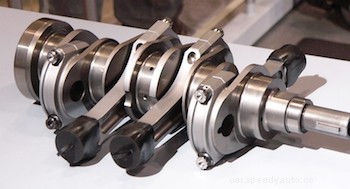 Lightweight materials: Aluminum, plastic and other lightweight components make today’s engines and vehicles lighter and more efficient.
Considering the feats of engineering that have helped create the modern engine, it should be no surprise that maintaining one is somewhat different from maintaining an older machine. Electronic controls require a different level of technical expertise now than they did even 10 years ago. Even mechanically, modern engines are built to far-tighter tolerances. Aside from the technical expertise required to maintain, diagnose and repair them, modern internal combustion engines also require quality supplies.
High-quality synthetic oil like Valvoline Modern Engine is specifically formulated to match modern engine lubricant needs. With fewer impurities and additives that are specific to today’s internal combustion engine, this oil doesn’t break down into performance-robbing deposits. Besides maintaining power output and fuel efficiency, it also helps your engine last longer.
As emissions standards strengthen, modern engines will advance to meet them. Maintenance methods and lubricants will also advance a high-powered, low-emissions future.
