
Sure, that new-car smell is great — but what if you don’t want a new car, plus the depreciation that incessantly gnaws at its value? Used cars offer great value, less depreciation and are still reliable, especially with a warranty. There’s much to be said about six-figure cars, but not dollar signs. What about buying a high mileage car, whose odometer has passed the magical and mystical 99,999-mile marker?
With the average American car pushing 11.8 years and 159,000 miles, there’s nothing to fear as the odometer rolls another digit. There are plenty of older cars pushing well over 300,000 miles, on their way back from the moon. Still, there are a few things to keep in mind if you are considering buying a high mileage car.
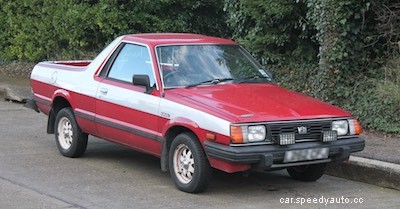 Unique – Maybe you’re looking for a specific model. Take, for example, a car that only seems to appear every few decades, the Subaru BRAT (1978-1994) and then the Subaru Baja (2003-2006). How about going really rare like a Delorean DMC-12 (1981-1983)? Unless forgotten in a barn — more on that in a second — a BRAT, Baja, or even DMC-12 is likely to be higher mileage.
This cannot be stressed enough: Pay for a used car pre-purchase inspection. A couple of hours of an experienced mechanic’s time could pay for itself if they find some glaring fault. When inspecting a high mileage car, there may be faults, but knowledge is power — and this knowledge can help you negotiate the deal and keeps surprises to a minimum. Even with a freak major failure, the high mileage car could still be a better deal.
There are risks, but the benefits of buying a high mileage car are real. If buying a high mileage car, maintain regularly with high-quality parts and supplies, like high mileage synthetic motor oil, for reliability, performance, efficiency and lifespan.
