
Whether or not you used your air conditioning to defog your windshield all winter, you might notice poor performance come spring and summer. After all, you didn’t really need air to be that cold when outdoor temperatures were in the 30s. Fortunately, you can DIY a car air conditioning recharge in about half an hour, saving yourself from a sweltering summer drive.
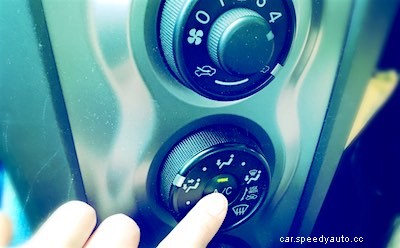
Your car’s air conditioning is a sealed system that doesn’t require regular maintenance. Regular usage, as little as ten minutes weekly, is enough to maintain the system. This circulates the oil, lubricating moving parts and conditioning seals, O-rings and hoses. However, if seepage occurs, this can result in poor cooling.
Basic DIY car air conditioning recharge kits include an adapter hose to connect a can of refrigerant (R-134a is the most common today) to the air conditioning system’s low-side service port. Some include a pressure gauge with color bars or numbers, while others have temperature-sensitive vent clips. Some kits have leak detection dye, so you can use an ultraviolet light to figure out if there’s any seepage.
Now it’s time to get to work. Thick gloves and safety glasses are important to protect your hands, face and eyes, as a sudden spray of refrigerant could cause frostbite. Always follow the instructions for your specific kit, but these general steps will help get your air conditioning ice cold in just a few minutes:
Recharging a car’s air conditioning can save you a lot of time in the shop, but there are good reasons to consider professional help. Hybrid vehicles with high-voltage air conditioning compressors require special lubricant, which is incompatible with the oil in most DIY air conditioning recharge kits.
Older R-12 systems need retrofitting to run R-134a, and R-134a is incompatible with newer R-1234yf systems. While R-134a refrigerant isn’t as bad a greenhouse gas as R-12, it would be environmentally irresponsible to fill a system with obvious leaks or damage just so it can leak out again. If you have any obvious leaks, bring your car to your local mechanic to get those taken care of first.
