
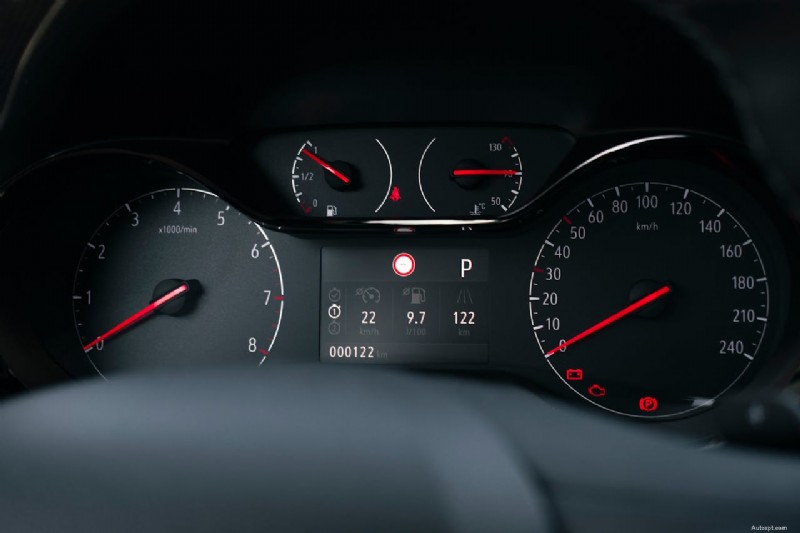
Modern vehicles are equipped with sophisticated computer systems that constantly monitor everything from engine performance to safety systems. When something requires attention, your dashboard warning lights illuminate to alert you. These warning lights are crucial communication tools between your vehicle and you, the driver. Understanding what each light means can help you respond appropriately, potentially saving you from costly repairs or dangerous situations.
Your vehicle’s dashboard warning lights serve as an early detection system for potential problems. They’re designed to alert you to issues before they become major concerns, helping you:
Ignoring dashboard warning lights can lead to significant mechanical failures, reduced fuel efficiency, compromised safety systems, and expensive repair bills. That’s why it’s essential to understand what each light means and how to respond appropriately.
Dashboard warning lights typically follow a color-coded system to indicate the severity of the issue:
Red warning lights indicate serious problems that require immediate attention. These lights signal issues that could affect your safety or cause serious damage to your vehicle if ignored.
Yellow or amber lights typically indicate a problem that needs attention soon but isn’t immediately critical. While you may not need to pull over right away, you should address these issues promptly.
These colors usually indicate that a system is active or operating normally, such as headlights, cruise control, or high beams. They’re informational rather than warning indicators.
What it looks like: An engine outline or sometimes simply “CHECK ENGINE”
What it means: The check engine light is perhaps the most notorious dashboard warning light. It’s connected to your vehicle’s onboard diagnostic system and can illuminate for numerous reasons, ranging from something as simple as a loose gas cap to serious engine problems like misfiring cylinders or a failing catalytic converter.
How to respond:
Potential consequences of ignoring: Reduced fuel economy, failed emissions tests, potential engine damage, and costly repairs down the line.
What it looks like: A battery symbol or “BATT”
What it means: This light indicates a problem with your vehicle’s electrical system—specifically the charging system, which includes the battery, alternator, and related wiring. When illuminated, it means your battery is not being charged properly.
How to respond:
Potential consequences of ignoring: Complete electrical system failure, leaving you stranded when the battery depletes.
What it looks like: An oil can symbol or “OIL”
What it means: This critical warning indicates low oil pressure, which could result from low oil levels, a failing oil pump, clogged oil passages, or worn engine bearings.
How to respond:
Potential consequences of ignoring: Catastrophic engine damage within minutes, potentially requiring complete engine replacement.
What it looks like: The word “BRAKE” or a circle with an exclamation point (!)
What it means: This light indicates an issue with your braking system. It could signal low brake fluid, worn brake pads, an engaged parking brake, or a more serious hydraulic system problem.
How to respond:
Potential consequences of ignoring: Reduced braking capability, increased stopping distance, or complete brake failure—all of which create serious safety hazards.
What it looks like: A tire cross-section with an exclamation point (!) or a tire outline
What it means: One or more of your tires has pressure that’s significantly below (or occasionally above) the recommended level.
How to respond:
Potential consequences of ignoring: Reduced fuel economy, poor handling, increased risk of blowouts, and premature tire wear.
What it looks like: A thermometer in water or temperature gauge
What it means: Your engine is overheating, which could be due to low coolant levels, a failing water pump, a stuck thermostat, or a clogged radiator.
How to respond:
Potential consequences of ignoring: Warped cylinder heads, blown head gaskets, or catastrophic engine failure requiring expensive repairs or replacement.
What it looks like: “ABS” inside a circle
What it means: There’s a malfunction in your anti-lock braking system, which prevents your wheels from locking up during hard braking.
How to respond:
Potential consequences of ignoring: Increased risk of skidding during emergency stops, especially on wet or icy roads.
What it looks like: A seated passenger with an airbag deploying or “SRS” (Supplemental Restraint System)
What it means: There’s a fault in your vehicle’s airbag system, which could prevent proper deployment in a collision.
How to respond:
Potential consequences of ignoring: Airbags may fail to deploy in an accident or could deploy unexpectedly while driving, both of which pose serious safety risks.
What it looks like: A car with squiggly lines beneath it or “ESC/TCS”
What it means: This light typically flashes when the system is actively helping maintain traction. If it stays illuminated, there’s a malfunction in the traction control system.
How to respond:
Potential consequences of ignoring: Reduced vehicle stability on slippery surfaces, increasing the risk of skids and loss of control.
What it looks like: A steering wheel, sometimes with an exclamation point (!)
What it means: There’s an issue with your power steering system, which could be due to low power steering fluid or a malfunctioning power steering pump.
How to respond:
Potential consequences of ignoring: Difficulty steering, particularly when parking or making low-speed maneuvers, increasing the risk of accidents.
What it looks like: A fuel pump or gas tank symbol
What it means: You’re running low on fuel, typically with fewer than 2-3 gallons remaining.
How to respond:
Potential consequences of ignoring: Running out of fuel, becoming stranded, and potentially damaging your vehicle’s fuel pump, which relies on fuel for cooling and lubrication.
What it looks like: A thermometer or gear with exclamation point
What it means: Your transmission is operating at higher than normal temperatures, which could be due to low transmission fluid, heavy towing, or mechanical issues.
How to respond:
Potential consequences of ignoring: Transmission damage requiring expensive repairs or complete transmission replacement.
What it looks like: A windshield with spray lines
What it means: Your windshield washer fluid is low and needs to be refilled.
How to respond:
Potential consequences of ignoring: Inability to clean your windshield, potentially compromising visibility during driving.
What it looks like: A wrench or “MAINT REQD”
What it means: Your vehicle is due for scheduled maintenance, such as an oil change or other routine service.
How to respond:
Potential consequences of ignoring: Reduced vehicle performance, longevity, and potential warranty issues if maintenance is neglected.
What it looks like: A box with wavy lines or “DEF”
What it means: For diesel vehicles, this indicates that the DEF level is low. DEF is used to reduce harmful emissions.
How to respond:
Potential consequences of ignoring: Reduced engine performance and potential violations of emissions regulations.
If multiple warning lights illuminate simultaneously, particularly red warning lights, this indicates a potentially serious situation requiring immediate attention:
Many dashboard warning lights can be prevented from illuminating through proper vehicle maintenance:
At Wayne’s Automotive Center, our ASE-certified technicians can perform comprehensive vehicle inspections to help prevent warning light emergencies and keep your vehicle running smoothly. We recommend scheduling a routine maintenance check every six months or according to your vehicle manufacturer’s guidelines.
While some warning lights can be addressed by simple owner interventions (like adding washer fluid or checking tire pressure), many require professional diagnosis and repair. You should seek professional help:
At Wayne’s Automotive Center, we understand that dashboard warning lights can be confusing and sometimes alarming. Our team of experienced technicians is equipped with advanced diagnostic tools to quickly and accurately determine the cause of any warning light and recommend the appropriate repairs.
We believe in transparent communication and will always explain the cause of the warning light, the recommended repairs, and preventative measures to avoid future issues. Our goal is to keep you safe on the road and extend the life of your vehicle through proper maintenance and prompt attention to warning indicators.
Your vehicle’s dashboard warning lights are designed to alert you to potential problems before they become serious. By understanding what each light means and responding appropriately, you can:
At Wayne’s Automotive Center, we recommend keeping this guide handy (perhaps in your glove compartment) as a quick reference if a warning light appears. Remember, addressing warning lights promptly is one of the smartest things you can do as a vehicle owner, both for safety and financial reasons.
If you’re ever uncertain about a dashboard warning light or notice any unusual behavior from your vehicle, don’t hesitate to contact us to check engine light diagnosis . Our team is here to help you interpret your vehicle’s warning signs and keep you safely on the road.
