
So, your Honda CR-V won’t start? Don’t worry; this guide is filled with ideas about what might be wrong.
You should note that whatever’s going awry is unlikely to be a Honda-specific issue.
The list of defects here can affect any vehicle of any age. However, for clarity, you’ll find a few Honda CR-V frequent issues that might be related to starting.
A Honda CR-V’s engine turns on exactly like any other ICE car. Understanding how it operates will help you diagnose the fundamental cause.
When you turn the key to START, it connects two terminals, closing the ignition switch. This activates an electric system linked to the starter solenoid and mechanism.
The solenoid is activated by the current. The tightly wound wires form an electromagnet when this happens. The magnetic field pulls a plunger into position.
This plunger performs two simultaneous functions. It causes the pinion gear to extend out and mesh with the engine’s flywheel. At the same time, it connects two contactor switches, completing the circuit to the motor.
As a result, the powerful starter motor torques, spinning the pinion gear and thus cranking the engine.
When the flywheel turns, the pistons travel up and down (reciprocally) in the cylinders. This gives the engine the momentum to begin operating under its own power.
When you release the key, it cuts off the starting circuit. The solenoid no longer receives current (that is, it’s de-energized). Because of this, the pinion gear returns to its inactive position, and the starter motor stops generating power.
The engine is now operating.

In the arrangement, as outlined above, there must be a defect.
It could rest anywhere from the ignition switch to the fuel injectors or heated plugs.
This might sound like a lot to sort through. Identifying what’s actually happening will make it much easier to zero in on the issue.
So, is your CR-V…
Note: “cranking” and “starting” are equivalent terms.
This guide will break down the potential issues into the three categories above. Depending on what your CR-V is doing, scroll down to the relevant section.
Before delving in, here are some frequent CR-V problems that could affect the car’s starting. Contact a Honda dealership if you suspect your vehicle is suffering from one of these issues. It might be repaired for free – you never know.
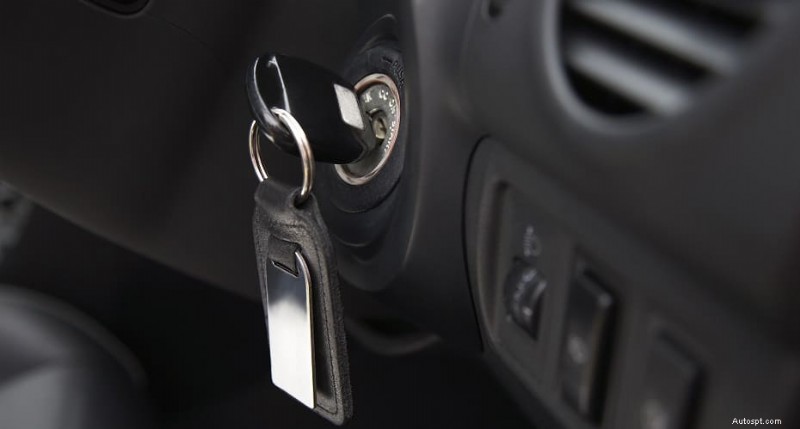
Second-generation Honda CR-Vs had ignition switch issues. If the starting circuit terminals are affected, power won’t reach the starter solenoid. You won’t hear any sound at all.
Examine if you have a Honda CR-V manufactured between 2002 and 2007 and can’t feel anything when you turn the key.
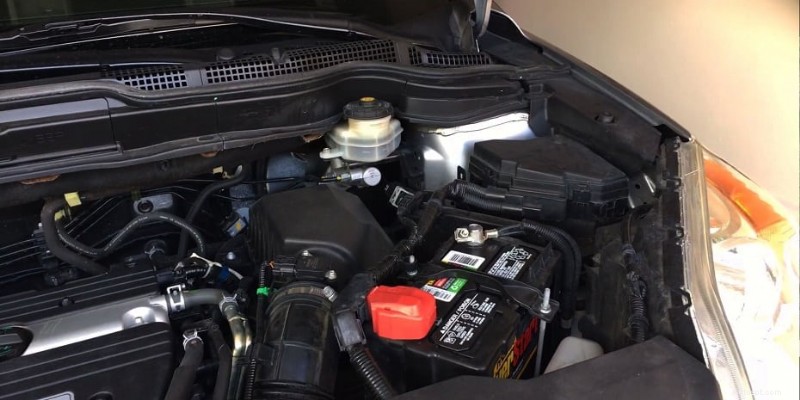
This affects a seemingly random variety of vehicles throughout all CR-V eras. There exist several fundamental reasons.
If your vehicle’s suffering from this issue, you’ll often notice a drained battery. It can drain even overnight. Of course, that’s unacceptable.
The root cause of most of these is a parasitic drain. This is when an electrical component continues drawing power from the battery after you turn the car off.
Parasitic drains affect all manufacturers worldwide. Most do an astonishingly efficient job of sweeping it under the proverbial rug.
Two lawsuits are currently active – one in California, the other in Iowa.
These are Honda’s two official bulletins about parasitic drain:
Honda TSB 12-041 – issued 11/8/2014. A sensor monitors the battery state and selects the charging mode based on battery sulfation and driving habits. As a consequence, the battery won’t be fully charged when you turn the car off. You’ll need a software update.
This issue affects all 2012 to 2014 Honda CR-Vs.

If your car isn’t affected by these typical problems, here are some general starting issues.
If your CR-V is turning but won’t start, electric power is reaching the starter solenoid and motor.
The issue, therefore, likely doesn’t rest with this component or the ignition switch. Nevertheless, it could still be linked to the battery.

The clicking sound you’re hearing is the starter solenoid engaging the plunger. The electric power is reaching the solenoid, but the starter motor isn’t rotating the engine.

When you don’t hear anything at all, it indicates the starter solenoid isn’t engaging. This could be due to the subsequent:

If your CR-V won’t start, it’s best to first examine the service bulletins. Have your VIN at hand. You’ll find it either on a door sill or at the bottom of the windshield.
If you identify that your car is affected by one of them, it’s actually good news. You might get the issues resolved for free.
Otherwise, most initial problems can be fixed with a fresh battery. A new alternator can go a considerable way sometimes, too.
Try jump-starting your car, ensuring you give it adequate time for the battery to charge. If your CR-V won’t start, but the battery is fine, a more serious issue is at play.
Have the starter motor inspected. You might need a new one. Since these parts are intrinsically linked, it’ll also come with a different solenoid.
Finally, you might have to focus on misfires or electrical issues (including the ECU). These can be a more costly diagnosis, mostly in labor rate charges.
I apologize, but there is no text provided after “Here is the text:” in your message. Without the original text, I cannot make any modifications or provide an edited version. If you’d like me to make changes to a particular text, please provide the complete text you want me to work with, and I’ll be happy to follow your instructions.
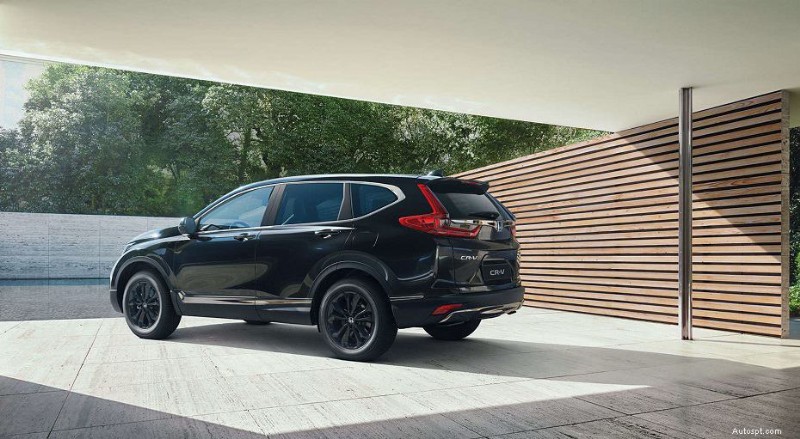
Whenever any vehicle doesn’t start, it can feel like the end of the world. Perhaps the most crucial thing is to stay calm. It’s probably nothing too serious, and you’ll likely be back on the road in no time.
Don’t hesitate to contact breakdown services or a mobile mechanic if you need to.
One final thing to be cognizant of: Honda dealerships. If the problem stems from one of the service bulletins mentioned above, you could be in fortune.
However, if it isn’t, it’ll cost significantly more to have the same repairs done. If you go to a dealership, ensure you get your car back before the technicians start diagnosis work. There’s no need to break the bank unnecessarily.
