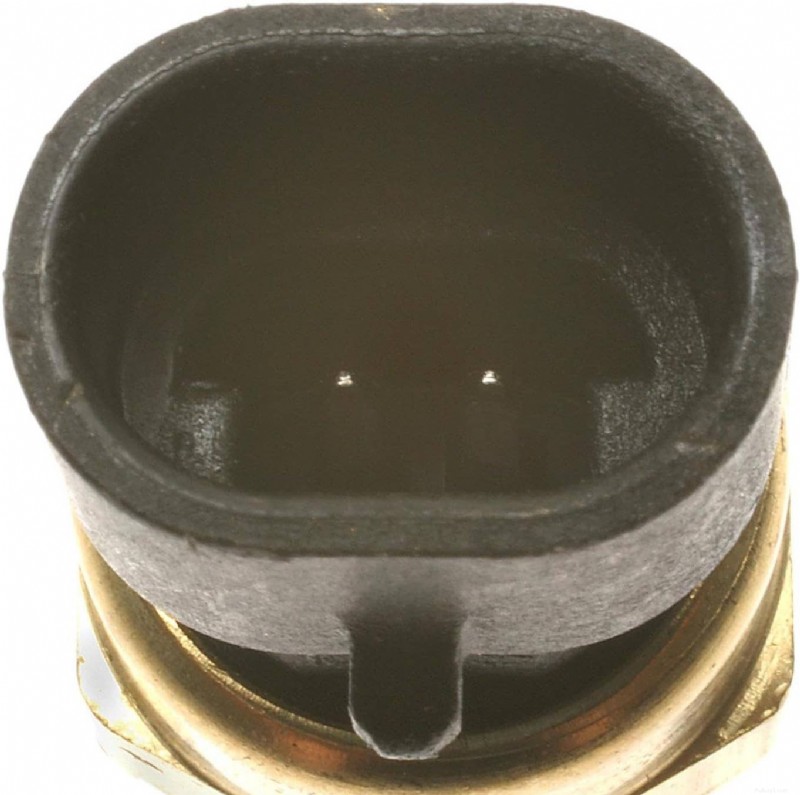
The P0118 code means that the engine control module (ECM) has detected a voltage signal that’s too high from the engine coolant temperature (ECT) sensor (below). In practical terms, the ECM believes the engine is a lot colder than it really is — sometimes even colder than the ambient temperature. This misreading can happen when the sensor signal exceeds the expected range, triggering the Check Engine Light (CEL) and affecting how the engine manages fuel and ignition.
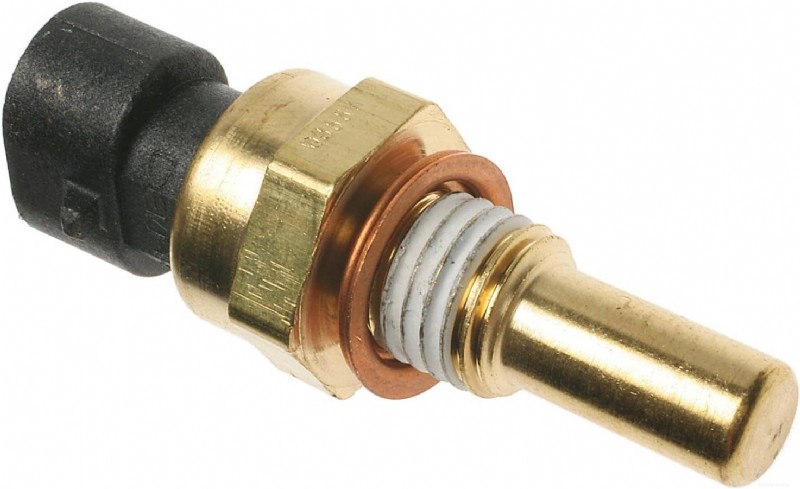
The ECT sensor is critical to help the ECM regulate ignition timing, fuel mixture, and cooling fan operation. If this sensor sends bad data, the ECM can’t make the proper adjustments, which can lead to performance issues and poor fuel economy. The P0118 code is common across many makes and models, as it’s a generic one, so whether you see P0118 on Chevy or Ford vehicles, it means the same as P0118 on Honda models. P0115 is a related code that indicates a malfunction in the ECT sensor circuit, and you may see P0115 on Toyota, Honda, BMW, or virtually any other brand’s models.
When the ignition is turned on, the ECM sends a reference voltage (typically 5 V) to the ECT sensor. As the coolant temperature rises, the sensor’s resistance drops, which reduces voltage feedback to the ECM. If the ECM continues to see a constantly high voltage signal, it interprets this as a circuit problem or a reading that indicates the coolant is excessively cold — even when the engine is warm. This triggers the P0118 – engine coolant temperature circuit high input. Don’t confuse it with P0113, which means “intake air temperature sensor 1 circuit high”.
An inaccurate coolant temperature reading can throw off key engine systems, including:
Drivers may notice one or more of the following signs when this code appears:
Although the car may still run, prolonged driving with a P0118 code can cause poor fuel efficiency, excess emissions, and premature wear on the catalytic converter due to rich mixture operation.
Accurate diagnosis requires both visual inspection and live data testing:
Pro Tip: Always verify the coolant temperature reading with a scan tool before and after replacement to confirm the repair. On many vehicles, the ECM automatically recalibrates the new sensor, but some may need an idle relearn procedure.
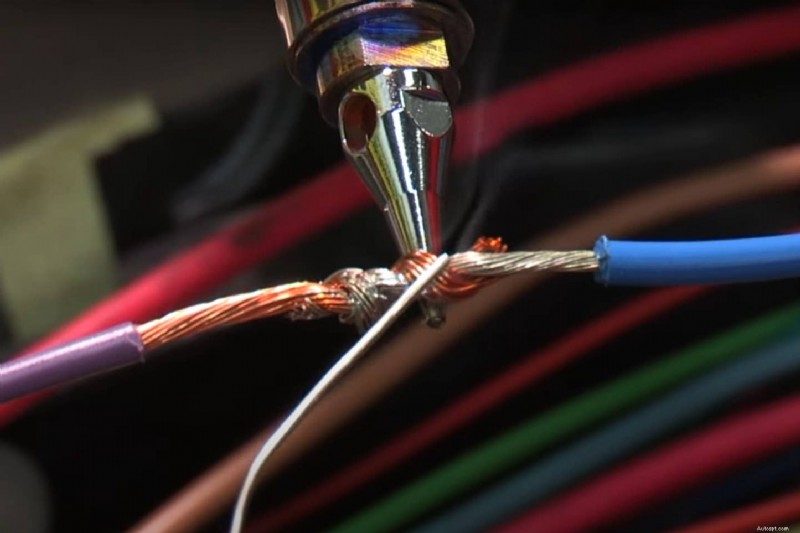
A: Start by checking the coolant level and inspecting the sensor’s wiring. If both are fine, replace the ECT sensor, which usually resolves this issue.
A: Yes. If the coolant level is too low, the sensor may not be submerged, leading to high-voltage or inaccurate readings.
A: After a repair or replacement, clear the code with an OBD-II scanner. The ECM will relearn the new sensor values automatically once the engine has warmed up.
A: You can, but we don’t recommend it. A bad sensor can cause poor fuel consumption, rough running, and even overheating if the fans don’t operate correctly.
The P0118 code is a sign that your vehicle’s engine coolant temperature circuit isn’t providing accurate data. While it’s not immediately dangerous, ignoring it can lead to inefficient engine operation, wear, and potential overheating. The fix is usually simple — replacing the ECT sensor or repairing its wiring — but the diagnosis should always include a full check of the coolant level and electrical system to ensure lasting reliability.