The P0463 code indicates that your car’s engine control module (ECM) is receiving a voltage signal from the fuel level sensor that is higher than expected, which suggests that the system believes the fuel level to be higher than is physically possible. This issue is often described as a “fuel level Sensor A circuit high” error. The fuel level sensor (below) is located inside the fuel tank and is part of the fuel pump module. It communicates the fuel level readings to the ECM and the fuel gauge on your dashboard. If this sensor fails or there’s a problem with its wiring, the gauge may show inaccurate or erratic readings.
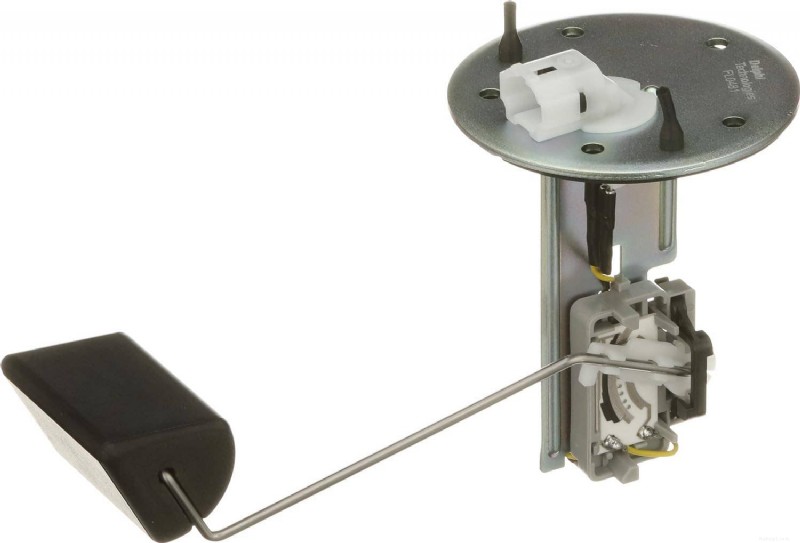
This diagnostic trouble code (DTC) is one of the generic or universal ones that can apply to all types of vehicles, so if you see the P0463 code on Chevy models, it’s no different from what P0463 on Ford or Toyota models would mean. It always refers to the same basic issue with the fuel level sensor. In fact, it’s quite common on many vehicles, including Toyotas, Fords, and Jeeps, among others.
Because the sensor sits inside the fuel tank, wear and corrosion are very common causes.
You may notice one or more of the following symptoms if you see this error code:
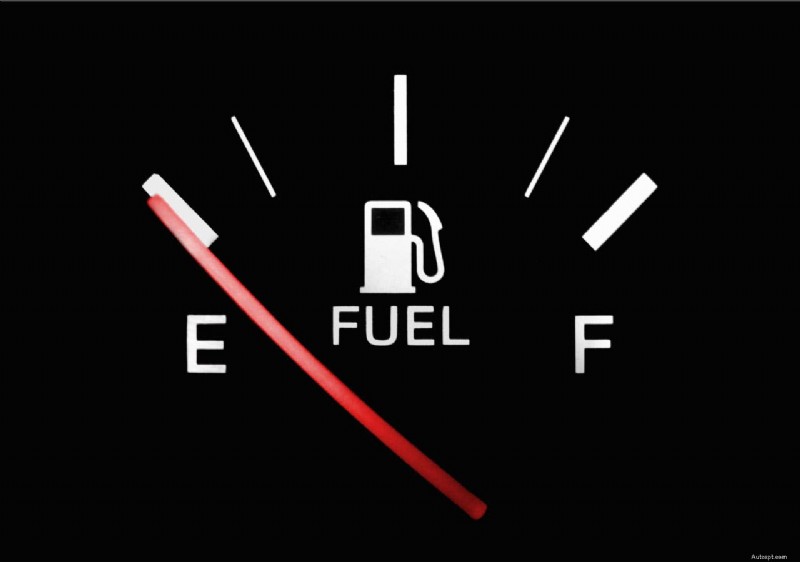
Unlike many other engine codes, P0463 is unlikely to affect engine performance in any way, as it’s not an engine or fuel delivery problem, but it can cause fueling problems, especially if the tank runs dry.
A mechanic or DIYer may typically follow these steps:
If the wiring checks out, the sensor itself is usually the issue.
Note: On many vehicles, you will have to remove the entire fuel tank to replace the fuel level sensor, leading to a high labor charge and putting it beyond the ability of many DIY mechanics.
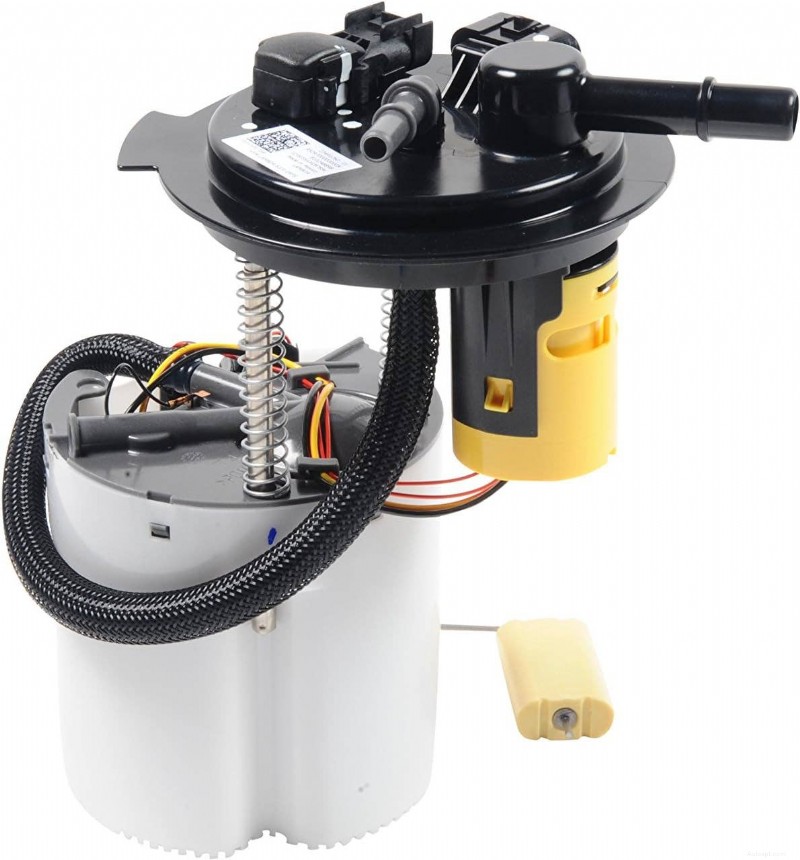
A: Always inspect wiring first, as this is the cheapest and easiest to fix. If the wiring is good, you’ll probably have to replace the fuel level sensor, which is often part of the fuel pump assembly.
A: Yes, as long as you track your fuel level manually, because you risk running out of gas unexpectedly if you don’t have a working and accurate fuel gauge.
A: Typical symptoms may include an inaccurate or stuck fuel gauge that stays on empty or full, or won’t move, wrong distance-to-empty readings from your trip computer, and an illuminated Check Engine Light.
A: Your gauge will stop indicating the correct fuel level, and this can lead to misfueling and being stranded next to the road due to unexpectedly running out of fuel.