
Mixing gas and styrofoam is a well-known recipe for an extremely flammable substance – Napalm. While most people are aware of how it’s made, there are a lot of misconceptions as to what gasoline really does to styrofoam.
Gas is one of the biggest threats to styrofoam. When it comes into contact with the styrofoam, it begins to break down the molecules, which causes the styrofoam to become brittle and crumble. With the right ratio, the mixture will turn into a sticky, extremely dangerous goo.
Styrofoam is a type of plastic made from polystyrene, which is a petroleum-based product. It is used in a wide range of applications, from food containers to insulation. Most of the styrofoam produced each year is used for packaging and insulation, and less than one percent is recycled.
Styrofoam is a popular material for food containers and cups. It is lightweight, airtight, and inexpensive. However, there is some concern that the chemicals used in the manufacturing process of Styrofoam may be harmful.
When heated, Styrofoam releases a gas called styrene. Studies have shown that exposure to styrene can cause health problems such as headaches, fatigue, and skin irritation.
The production of Styrofoam requires petroleum-based products, which contribute to air pollution. In addition, when Styrofoam is not recycled, it takes up space in landfills and can leach harmful chemicals into the environment.
Studies have shown that exposure to styrene can cause health problems such as headaches, fatigue, and skin irritation.
When the gas comes into contact with styrofoam, it can cause the material to become brittle and break apart. This is because the gas breaks down the polystyrene molecules in the styrofoam, which ultimately reduces its strength and durability.
Here are a few tips for reducing the amount of styrofoam waste produced each year:
Styrofoam is not good for the environment, and it’s important to take steps to reduce the amount of waste produced each year.
By using reusable containers, recycling styrofoam, and using biodegradable materials whenever possible, you can help reduce the amount of styrofoam waste in our landfills and protect our environment.
When the gas comes into contact with styrofoam, it can cause the material to swell up and become brittle. Over time, this can lead to the disintegration of the styrofoam material.
So if you’re looking to keep your styrofoam items in good condition for as long as possible, it’s best to avoid exposing them to gas molecules.
This includes both indoor and outdoor environments, so be careful when using or storing things made from styrofoam near areas where there are potential sources of gas exposure.
There are several ways to melt styrofoam including:
Acetone is a solvent that can be found in nail polish remover. It is effective at melting styrofoam because it can break down polystyrene molecules. When acetone is applied to styrofoam, it quickly dissolves the foam and turns it into a liquid.
However, acetone can be dangerous to use and it is also flammable. It is important to take precautions when using this method, such as wearing gloves and goggles and working in a well-ventilated area.
Soaking the Styrofoam in a nail polish remover with acetone for about 15 minutes should do the trick. Be sure to rinse it off afterward and let it air dry. You may need to repeat this process a few times to completely remove all of the Styrofoam.
When styrofoam is exposed to gasoline, the gas can cause the plastic to dissolve. This means that the styrofoam will not be able to hold its shape and will start to break down.
If you have any styrofoam that has been exposed to gasoline, it is important to get rid of it as soon as possible. Not only can it be a fire hazard, but it can also release harmful chemicals into the environment.
Vinegar is a great way to get rid of gas build-up in Styrofoam. Pour white vinegar into the container until it’s about halfway full. Swirl the vinegar around, then let it sit for about an hour.
After an hour, pour out the vinegar and rinse the container with warm water. You can also use this method to clean other types of containers that have gas build-up.
It is made up of two substances: petroleum jelly and gasoline. When these two substances are combined, they form a sticky, flaming liquid that can cause serious burns.
Napalm can cause severe burns and death when it comes into contact with the skin. It is important to be aware of the dangers of napalm and to take steps to avoid coming into contact with it.
If you see or suspect that someone has been exposed to napalm, seek medical help immediately.
Napalm is a flammable liquid used in warfare. It is made by combining gasoline and polystyrene. When napalm is set on fire, it creates a very hot flame that can burn through metal.
Gasoline does not have a good effect on Styrofoam cups or containers because it will dissolve the foam. The gasoline will also eat away at the glue that is used to hold the cup or container together. This will cause the cup or container to fall apart very easily.
Styrofoam is a type of plastic that is used to make cups, plates, and food containers. It is also used as insulation in buildings. Styrofoam is made of polystyrene, which is a type of plastic that is made from oil.
When styrofoam is exposed to the gas, it will start to break down. The polystyrene will turn into small pieces and the gas will cause the foam to collapse. This process happens over time and it can take years for the styrofoam to completely break down.
The following are ways in which you can properly dispose of styrofoam:
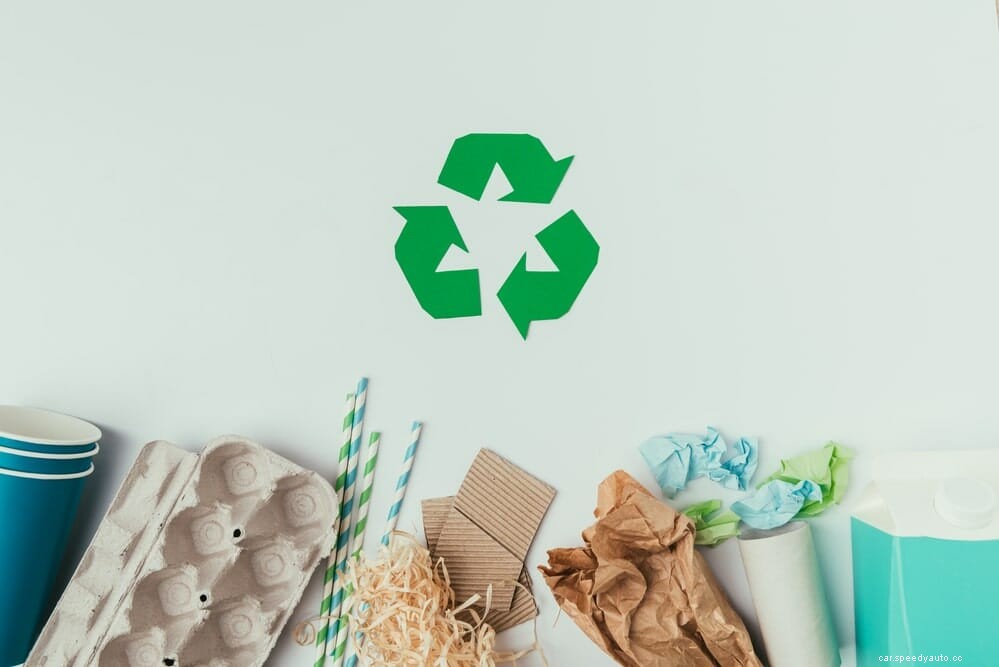
You can recycle styrofoam cups, plates, and containers. All you need to do is remove the food or liquid from the cup or container and then rinse it off. You can then place it in your recycling bin.
You can also burn styrofoam. When you burn styrofoam, it will release harmful chemicals into the air. It is important to only burn styrofoam in a safe area and to take precautions when doing so.
You can also compost styrofoam. To do this, you need to chop the styrofoam into small pieces and then mix it in with your compost pile. The styrofoam will take a long time to break down, but it will eventually decompose.
When disposing of Styrofoam, it is important to recycle as much of it as possible. You can also burn or compost the foam, but you need to take precautions when doing so. Recycling is the best way to get rid of styrofoam because it is safe and easy to do. It is also good for the environment.
You can also reduce the amount of styrofoam you use by choosing alternative materials whenever possible. For example, opting for cardboard or paper packaging instead of foam can make a big difference.
Gasoline breaks down styrofoam and turns into a thick, highly flammable substance. Essentially, it’s a recipe for homemade Napalm, and we highly advise against attempting to manufacture it, as it’s extremely dangerous and easy to set off.
If you are looking for a way to safely dispose of styrofoam, it is best to avoid exposing it to gas. Instead, try recycling or donating your products whenever possible.
