
Rubbing compound and polishing compound are terms that are often used interchangeably, but they’re far from the same thing. Using rubbing compound when you’re not supposed to can lead to irreversible damage to the paint and look of your vehicle, so you have to be careful.
The primary difference between rubbing and polishing compounds is the level of abrasion it creates. Abrasive compounds remove material from the surface they’re applied to, while wax adds material to it.
Most guides will tell you that the rubbing compound is for buffing out scratches and the polishing compound brings out the shine. However, I find this explanation to be vague and serve no practical purpose.
There’s a lot more going on underneath the surface, and no scratch is the same, which is why I’m going to do my best to explain why and when to use a specific compound to get the best results. Polishing paint is very risky, so make sure you’ve got the right tools for the job, and do at least one test run on something far less valuable than your car.
You may think that car paint is just a single coat on a piece of metal, but it goes deeper than that. First, a layer of primer is applied to the raw metal to create a better surface for the base coat to stick to. Without primer, the paint would streak, water down, and have an uneven look throughout.
The primed surface is then sprayed with a base paint coat. This coat determines the color of your vehicle and is mostly metallic, although some manufacturers still offer matte color options.
The last, and most important coat is the clear protective coat. It’s the thickest coat of all, as it serves to protect the color from UV fading, but also scratching. A scratch deep enough to penetrate through the primer will cause corrosion, so it’s important to address the damage as soon as possible.
Technically not a paint coat, the car’s body parts are also coated through a chemical process in electrolyte baths. It drastically increases the vehicle’s resistance to corrosion, but the modern nickel-plating is not as heavy-duty as it once was.
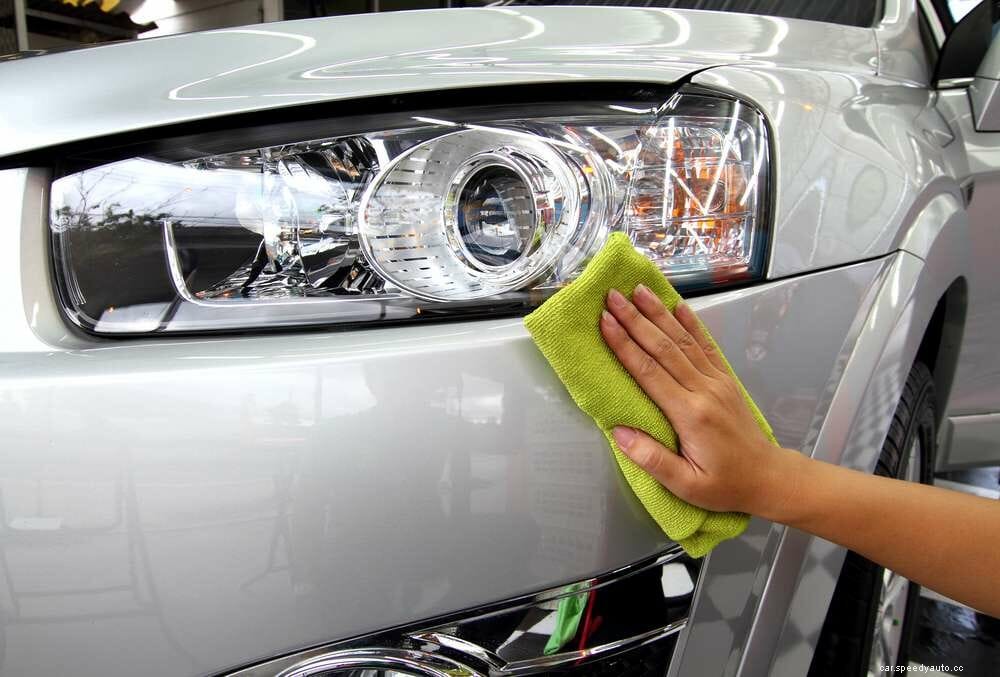
If you’re considering a rubbing or polishing compound, the most likely reason is that your vehicle has some scratches on it. These can vary from deep scratches from a parking lot accident to minor abrasions that form over time as the vehicle comes in contact with particles, sand, and insects flying through the air.
The initial assessment of damage is very easy – the whiter the scratch is, the more damage has incurred. The whiteness of the scratch comes from the reflection of sunrays in the cut, but in more serious cases, it exposes the prime coat which is usually grey or white.
The next step is to use a fingernail and gauge the depth. If you can put your fingernail into the scratch and hear the clicking noise as your finger bites in, it means the scratch has gone deep. Minor scratches do not provide as much resistance and you can move your fingernail through it more easily.
Gauging by eye is not the best idea, as you can easily misjudge the extent of damage and destroy the protective clear coat. The best way to determine the depth is to use a coat thickness gauge.
As far as coat gauges go, this is one of the cheapest that functions well, with semi-professional models costing upwards of $500, while proper professional gauges are well over $1000. Still, it’s good enough to determine the depth of the damage and help you decide which compound to use.
Wash the vehicle and calibrate the device. Use it to measure coat thickness at several spots where the paint looks immaculate and average out the values to get the original depth. Repeat the process on the interior of the B-column, between the driver’s and rear passenger’s door.
To save on production costs, manufacturers apply a bare minimum clear coating on the areas that are not affected by direct sunlight. By subtracting the value of the column’s coat depth from the exterior panel coat depth, you will get an estimate as to how thick the clear coat is.
The clear coat is very important for the looks of your vehicle because it protects the paint coat underneath from wear and UV rays that will cause it to fade quickly. Polishing, rubbing, or sanding the coat will reduce its thickness, but that’s what you have to do to get the scratches out.
However, if you take too much of the coat off, it’s going to cause more harm than good. This is why using a coat thickness gauge is important – once you’ve determined the base thickness of the clear coat, you can use the gauge on scratched areas and see how much of the clear coat is gone.
For a DIY job, I would suggest not working on a scratch that has removed more than 50% of the clear coat. By polishing it out, you’re effectively removing a clear coat on a larger area, which potentially opens it all up to UV rays.
Another reason why I would not recommend working on more serious scratches is that it’s very easy to mess up. The professional have years of experience and understand how much force, time, and the compound is necessary to get the scratch out without going any deeper.
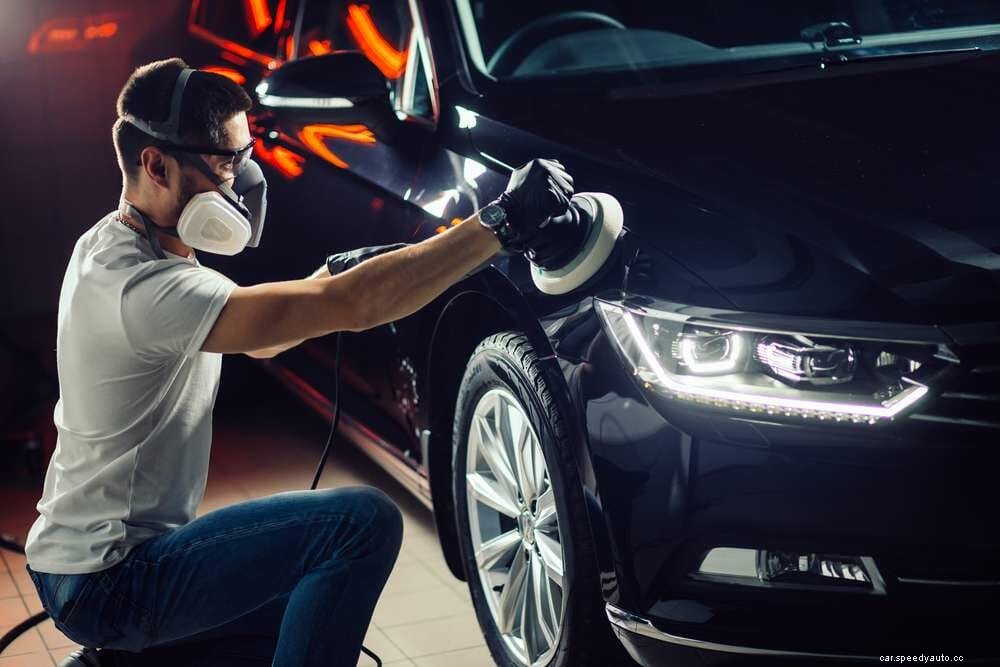
With all of that out of the way, we can finally get into what each of the compounds does and when it’s best to use it. If you haven’t, I would strongly advise you to read the previous sections to understand what’s happening when you’re using compound solutions on paint.
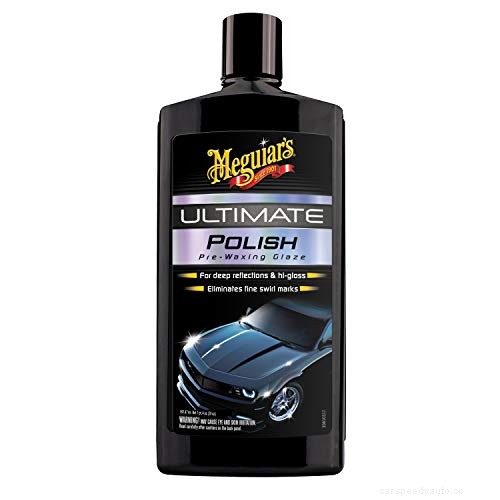
Polishing compound brings out the shine and restores the color of the car by removing a small amount of clear coat, roughly 0.5mm. It’s not intended for serious scratches, but it will do a good job of buffing out the smaller imperfections. In the detailing business, the polishing compound is simply referred to as polish.
Check PriceBenefits of the Polish Compound
Drawbacks Of The Polish Compound
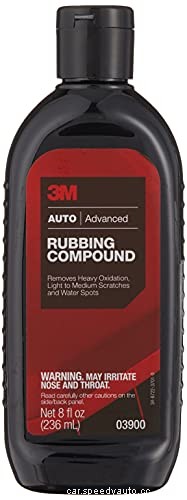
The rubbing compound, often referred to as just compound can be viewed as fine liquid sandpaper. It has abrasive qualities that remove more of the clear coat and thus buff out deeper scratches. What most people fail to tell you is that after using the compound, you have to apply polish to get the proper look, otherwise the paint will stay hazy.
Check PriceBenefits of the Rubbing Compound
Drawbacks Of The Rubbing Compound
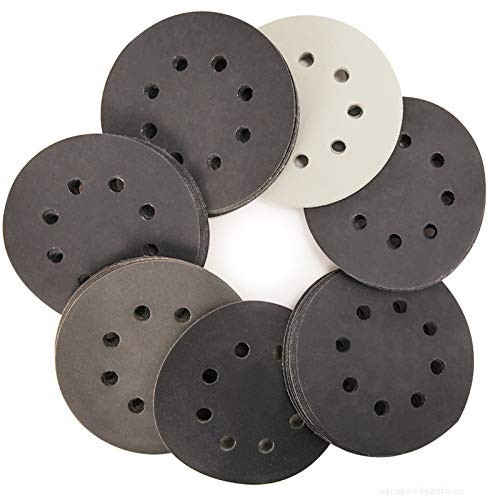
I’ve decided to include wetsand as a third option because it’s the most effective way of removing damage and restoring the original look of the vehicle. It’s typically done in layers and requires a compound followed by polish to finish the job. The main downside of wetsanding is that it takes a lot of the clear coat off, so if you’re not careful, you can cause permanent damage to the paint.
Check PriceBenefits of Wetsanding
Drawbacks Of Wetsanding
Determining whether you should polish, compound or wetsand is not clear-cut as it depends on the amount of wear and the effect you want to achieve.
Wetsand followed by compound and polish will deliver the best looks, but it’s not the ideal long-term solution. Most of the paint doesn’t require a full wetsand treatment, so you’ll necessarily weaken the pain. In long term, this will prevent you from wetsanding when you really need it, as there won’t be enough clear coat left.
Most people would assume that wetsanding is more aggressive than compound, but in reality, that’s not the case. While wetsanding will remove more of the clear coat, it does not generate heat which can harm the paint. If you have to use the rubbing compound extensively, it might be better to start with the wetsand and only use the compound to buff out the haze.
Polish is the safest of the three methods as it’s the least abrasive compound. It may not buff out the annoying scratches but will make a difference on a decade-old paint job.
While the process is mostly the same, the subtle differences in how you polish, apply compound or wetsand will make a difference in the final result. In this section, we’ll discuss what tools you need and how to apply each of the solutions to get the best results possible. The prerequisite for each of the methods is a clean, and cool exterior.
| Title | Price | Buy | |
|---|---|---|---|
 Top
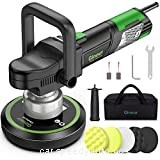
Top | Ginour Polisher, 900W 6-inch Variable Speed Dual-Action Random Orbit Car Buffer Polisher with D-Handle & Side Handle, 6400RPM, Packing Bag, 5 Foam Disc for Car Polishing and Waxing | Buy Now | |
 Top
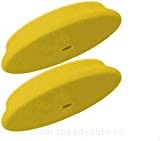
Top | RUPES D-A Fine High Performance Fine Polishing Foam Pad 2-Pack | Buy Now | |
 Top
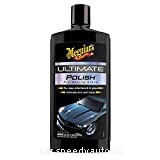
Top | Meguiar's G19220 Ultimate Polish, 1 pt .4 fl. oz. | Buy Now | |
 Top
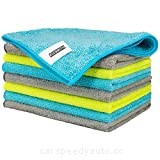
Top | FIXSMITH Microfiber Cleaning Cloth - Pack of 8, Size: 12 x 16 in, Multi-Functional Cleaning Towels, Highly Absorbent Cleaning Rags, Lint-Free, Streak-Free Cleaning Cloths for Car Kitchen Home Office. | Buy Now |
Step By Step Instructions
| Title | Price | Buy | |
|---|---|---|---|
 Top
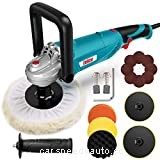
Top | ENEACRO Polisher, Rotary Car Buffer Polisher Waxer, 1200W 7-inch/6-inch Variable Speed 1500-3500RPM, Detachable Handle Perfect for Boat,Car Polishing and Waxing | Buy Now | |
 Top
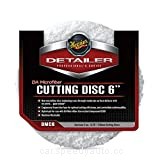
Top | Meguiar's DMC6 DA 6" Microfiber Cutting Disc, 2 Pack , White | Buy Now | |
 Top
Top | 3M Auto Care Rubbing Compound, 03900, 8 oz | Buy Now | |
 Top
Top | USANOOKS Microfiber Cleaning Cloth - 50 Pcs (12x12 in) - Cleaning Rags - Microfiber Towels for Cars - Softer and More Absorbent - Lint Free Cloth | Buy Now |
Step By Step Instructions
| Title | Price | Buy | |
|---|---|---|---|
|
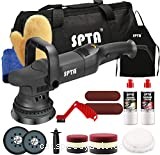
Top | Buffer Polisher, SPTA 5-Inch 125mm Dual Action Random Orbital Car Polisher,Car Detailing Kit, 4Pcs 5inch & 4Pcs 6Inch Polishing Pad,Packing Bag for Car Polishing and Waxing-DAPSET-US | Buy Now | |
 Top
Top | Tanzfrosch 12 Pack 4 inch Diamond Polishing Pads Set Wet/Dry Polishing Kit 10pcs 50#-3000# Grit Pads with 2pcs Hook and Loop Backer Pads for Granite Stone Concrete Marble Floor Grinder or Polisher | Buy Now | |
 Top
Top | Rayson Empty Spray Bottle, Frosted Assorted Colors | Buy Now | |
 Top
Top | Amazon Basics Blue, White, and Yellow Microfiber Cleaning Cloth 12"x16" - Pack of 24 | Buy Now |
Step By Step Instructions
Yes, rubbing compound is more abrasive and takes off a deeper layer of coating. Think of it more like very fine liquid sandpaper than a polishing solution.
Technically, rubbing compound is bad for car paint as it removes a certain amount of it. However, this is necessary if you’d like to restore the damage caused by scratching without having to repaint the whole body panel.
No, the rubbing compound is too abrasive to buff out the paint to a shiny finish. To achieve that, you’ll always have to follow up with a polishing compound.
If you’re not dealing with major scratches and just want to restore the original look, then polish will be enough. However, if you’re dealing with scratches and damage, you’ll need both, as the compound should always be followed by polishing.
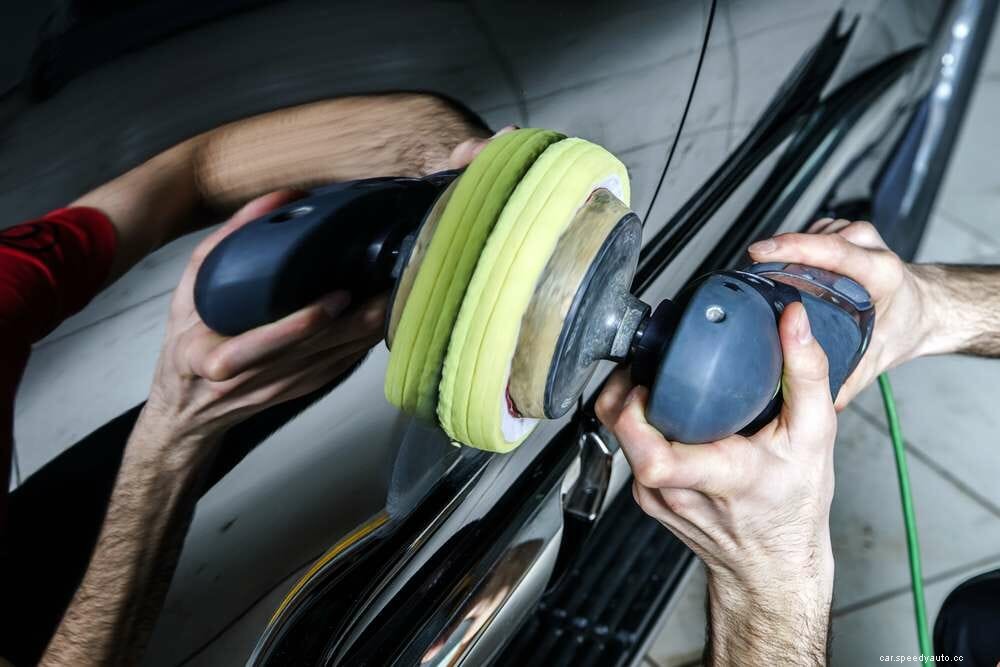
Polish does damage car paint but on an insignificant level. It would take several rounds of polishing to cause enough wear to the clear coat and expose the base coat to UV rays.
To a small extent, the polish can remove very minor scratches, or reduce the visibility or more pronounced damage, but it’s not suitable for the job. If you want to remove the scratches completely, you need to start with either a rubbing compound or wetsand.
The compound does remove clearcoat, but not to a degree where it has an effect on its protective qualities. Clearcoat is at least a few millimeters thick, so removing a fraction of a millimeter will not cause a difference.
Touch-up paint is not followed by a protective clear coat and because of that, rubbing compound will remove it.
Polishing without using the compound is completely okay. It’s the safest way to restore the paint shine without risking damage to the clear coat, but it won’t get rid of scratches.
Using a good polish compound after rubbing is necessary to remove the haze and make the color more vibrant.
The most important takeaway from this article is that rubbing compound is more abrasive and deals with scratches better, but it should always be followed up by polishing. On the other hand, if you just want to restore the paint color, polishing the car will be enough. Wetsanding is not as bad as it seems but should be applied with a lot of care and patience.
Get more insights by reading these related topics:
What Eats Car Paint The Fastest? 10 Substances To Avoid
6 Car Wash Soap Alternatives
How to Remove Paint Transfer and Scuffs From Cars
