
An oil change is one of the important maintenance tasks you have to do to keep your car in good health. That makes the knowledge of how to start a car after running out of oil important as it can save your car from extreme engine damage.
If you’re wondering why it’s so important to keep your car well-lubricated with oil, think of it this way: oil is the lifeblood of your engine. Just like your body needs blood to function correctly, your engine needs oil to keep moving.
Any absence of engine oil or even an unchanged dirty oil can lead to excessive engine wear or seizure. When your car runs out of motor oil, the car engine will seize. Driving a vehicle after running out of oil can lead to extreme damages.
The engine is a series of moving parts that rub against each other. This creates friction, which can cause the parts to wear down over time. The engine oil keeps these parts from rubbing together and wearing down. It also helps to prevent the buildup of dirt and debris, which can also cause damage.
If your car runs out of oil, it’s not just the engine that’s at risk. The entire car could potentially break down. So it’s essential to keep your car well-lubricated and regularly check the oil level. You should also get your car serviced on a regular basis, so any potential problems can be caught and fixed before they become too serious.
In case that you find yourself without oil in your car, it is important that you know how to start a car after running out of oil.
It is very important for drivers to check their car’s oil periodically and ensure that their engine has enough oil in it at all times.
Running out of engine oil will cause big problems for any driver. At first, there may be no symptoms whatsoever; but driving without oil causes serious damage that can lead to the failure of crucial parts.
What usually happens is that parts stick together due to a lack of lubrication, which causes your car to seize up. What are the signs that indicate you have to change the oil in your engine as soon as possible?
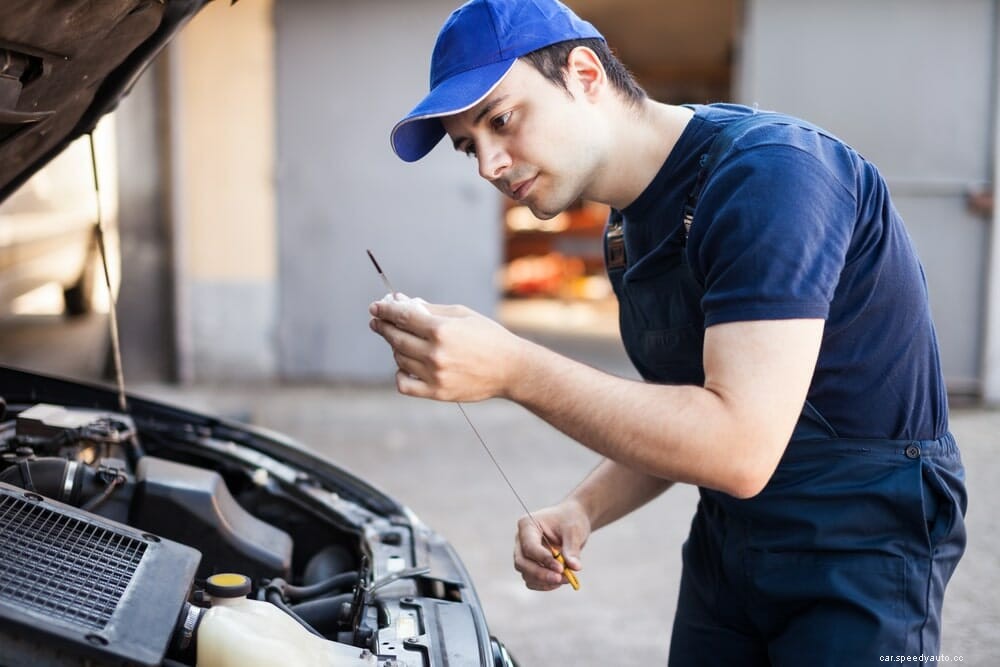
It is very important for drivers to check their car’s oil level on a regular basis and ensure that their engine has enough oil in it at all times. That’s harder on older vehicles, as they tend to have psychical dipsticks which require you to turn off the car to check the oil level.
More modern cars have electrical systems that warn you of low oil levels, helping you avoid catastrophic engine damage.
Or your engine will overheat! First things first, turn off your engine! If you notice your “check engine oil light” is on, or you hear a clunking or thumping sound coming from the engine, it’s time to stop running the engine. Continuing to run the engine when it’s showing these signs can lead to a seized engine.
Seized engines are very costly to repair, so it’s best to avoid them altogether by stopping the engine as soon as you notice any warning signs. Be sure to safely pull over to the side of the road and turn off your vehicle if you’re experiencing any of these symptoms.
If you have confirmed that your car ran out of oil, then you need to understand that you have a more serious issue inside.
If you’re not sure whether or not your car ran out of oil, there are a few things that you can do to check. One of the easiest ways is to top it up with oil and see if it turns over. If it does, then you know that you were low on oil.
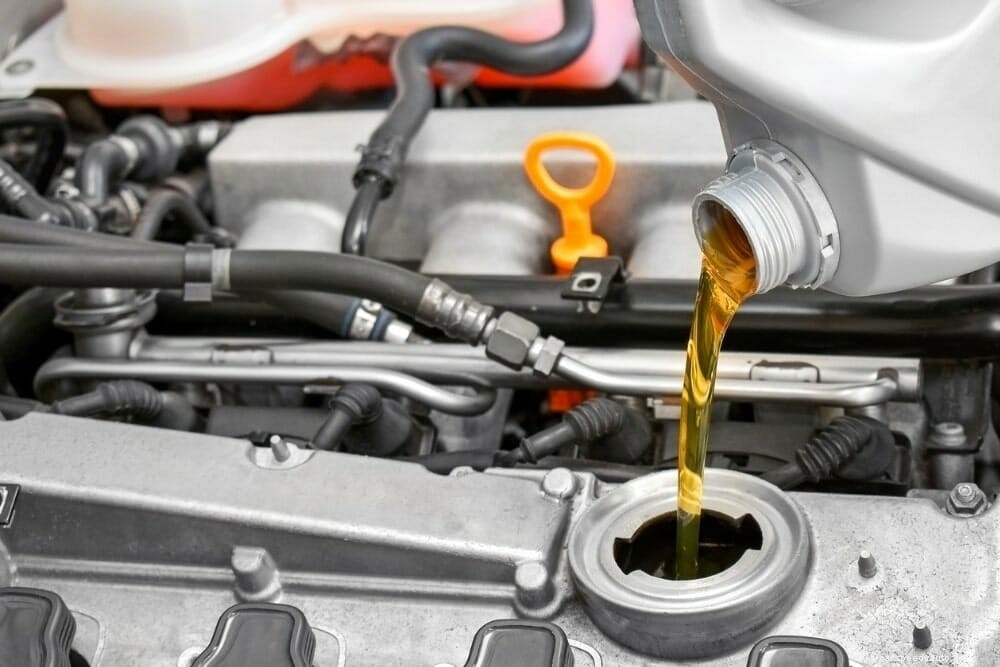
One of the most common questions people have about their cars is whether or not adding oil can help a car start. The answer to this question is a little bit complicated, as it depends on several factors.
However, if the engine is already damaged, adding oil may not do much to help.
If you are having trouble getting your car started, it is always best to consult a professional to get a better idea of the problem. Adding oil may or may not be enough to get your car running again, and it is important to make sure that you understand all of the necessary steps to avoid causing more damage.
First, you’ll need to find the oil drain plug and remove it. Be sure to have a container ready to catch the oil as it drains out. Once the oil has drained, use a brush or vacuum cleaner to remove any metal dust or pieces from the channel. If you don’t see any particles, you can refill the channel with new oil.
However, if you see any holes in the channel, it’s to have them fixed right away. Otherwise, the engine may be damaged.
Once the spark plugs have been removed, the next step is to top up each cylinder with engine oil. This should be done carefully, ensuring that all cylinders are filled properly. It’s important to do this now, as it will help you determine whether your engine needs revamping or replacing.
After allowing the engine oil to settle in for a few days, you can try firing up the engine using a breaker bar. If everything goes according to plan, you’ll be able to see how well your engine is running. If there are any problems, you’ll be able to address them and make the necessary repairs.
By following these simple steps, you’ll be able to get a good idea of the condition of your engine and whether or not it needs to be replaced. Keep in mind that these steps may vary depending on the make and model of your car.
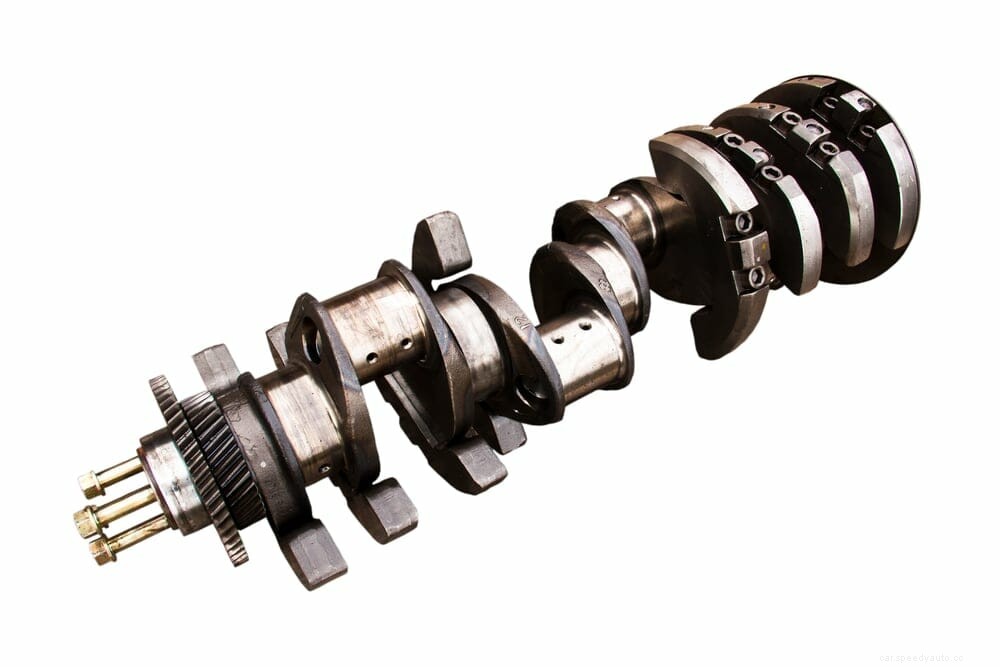
Now you need to rotate the crankshaft. You can do this with a breaker bar and socket or use a 1/2-inch drive breaker rod if you have one. Place the breaker bar on the harmonic balancer bolt and turn it clockwise. If it’s stuck, you can use a cheater tube to give you more power to get it moving.
Keep turning until the crankshaft moves freely. Don’t forget to keep an eye on the oil levels in each cylinder as you go!
Once the crankshaft is free, remove the spark plugs and turn the engine over by hand a few times. This will help distribute the new oil throughout the engine. Now reinsert the spark plugs and start it up. It should be well lubricated and start right up.
The next step is to turn the engine over. This will distribute the oil throughout the engine. You can do this by cranking the engine for around ten seconds. Ensure that the spark plugs are not installed and that the gasoline pump is not turned on. Doing this will help to reduce the amount of weight on the components.
Return the fuse and spark plugs to their original position. Ensure that the spark plugs are properly tightened and replace the fuel tank.
It’s important to circulate fuel before you turn on the engine.
To do this, simply insert your key into the ignition and turn it on for only a few moments. Don’t actually start the engine – just turn it on long enough to get the fuel flowing. Then, turn off the key and wait a minute or two. Repeat this process 3-5 times.
Turn off your key at the end of this process and wait for a few moments with your key out of the ignition. This will ensure that all engine parts are properly lubricated before you turn it on.
When you start your engine, make sure to listen for any knocking or clanking noise. This can be a sign that there is something wrong with the engine and it needs to be fixed. If you hear any abnormal noise, take your car to a mechanic right away. Ignoring the issue could lead to further damage and cost more money in the long run. So, make sure to listen to any strange noises and take action if necessary.
First of all, listen to the sounds of your vehicle as it idles for about 10-20 seconds. If there isn’t any clanking noise from the engine after 20 seconds of running idle, let it run longer until about 10-20 minutes have passed before continuing. This waiting time will allow the fuel and engine oil to circulate as they should before putting stress on the engine again.
If you’ve waited long enough and there’s still no knocking noise, take the vehicle for a spin. Drive it around for about 10-15 minutes to see how it handles and if there are any problems. If all goes smoothly, then you’re good to go! However, if you experience knocking noise or issues with the car’s performance, it’s best to take it to a mechanic to get it looked at. Prevention is always better than dealing with car trouble down the road.
So, be sure to listen carefully to your engine and take it out for a test drive every once in a while to make sure everything is running smoothly. It’s better to be safe than sorry!
How often you should change your oil depends on various factors, including the type of car you drive, how you drive it, and where you live. However, most mechanics generally recommend changing your engine oil every 3,000 miles or every 3 months, whichever comes first. If you drive in a particularly dusty area or do a lot of stop-and-go driving, you may need to change your oil more often.
If you’re not sure when you last changed your oil, or if you’re overdue for an oil change, bring your car in for a quick checkup.
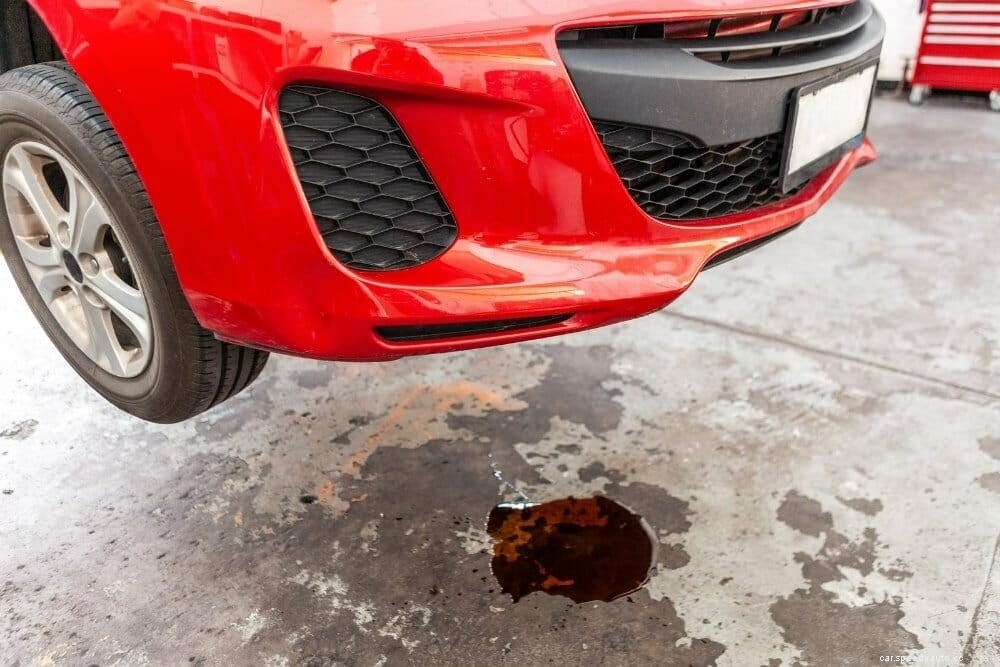
Oil leaks can be difficult to detect, but some common signs can help you identify them. Here are a few tips:
If you’re bombarded by the stench of burning oil when your engine reaches operating temperature, it might mean that there’s a leak in the engine. Oil can leak from many different places in the engine, and it may not always drip onto the ground. Instead, it might drip onto another part of the engine. When the engine heats up, the oil may burn. As it does, it will release a strong, sharp burning smell.
If you’re noticing a burning smell in your car, we recommend pulling over as soon as it’s safe to do so and checking your oil levels.
Depending on where the leak is, you might also notice that your engine is having trouble maintaining its coolant level. Oil and coolant are meant to stay separate, but if oil leaks onto another part of the engine, it can mix with the coolant and cause problems. Your mechanic will be able to diagnose this with an inspection as well.
So, what does a burning smell in a car mean? It could mean that there’s either an oil leak or an overheating issue present in your car. Either way, don’t wait for things to get worse—pull over sooner rather than later so we can figure out what’s going on!
If you find that your engine oil is running low, it’s important to top it up right away. Not doing so can damage your engine and may even require an expensive repair.
In addition to checking your oil level regularly, it’s a good idea to keep an extra bottle of oil in your car. This way, you’ll be prepared for any eventuality.
If your car runs out of oil, the best thing to do is to pull over and call for help. If you’re sure in your mechanical steps and didn’t overheat your car, you can get it running in no time by following the simple steps mentioned before. Before trying to do something yourself, be sure you know how to start a car after running out of oil.
Here are some other VehicleFreak articles to read:
How Long Can A Car Run Without Oil?
How To Start A Car With A Bad Ignition Switch
Car Won’t Start After Getting Gas
