
You may have come across the terms Procharger vs Supercharger on the market today and wondered what the differences are in these cars whether they are stock or modified for maximum performance. More and more people are opting for these over your more commonly found Turbocharger, but just what is the difference and which one is best for you?
The power of your engine is dependant on the amount of fuel it can burn, and the rate at which that can be converted into mechanical force to move the vehicle forward with speed. To burn this fuel, your engine needs oxygen from the air to be fed into the engine and burn at a quicker rate.
All Prochargers and Superchargers are designed with the same aim in a variety of technologies to force-feed oxygen and let your engine burn more fuel to give the speed you desire. These variations in design are down to the process in which the power is delivered, meaning you can find the right car for your speed needs.
Let’s take a closer look at the Procharger and Supercharger to see what makes them both so powerful and which is right for you.
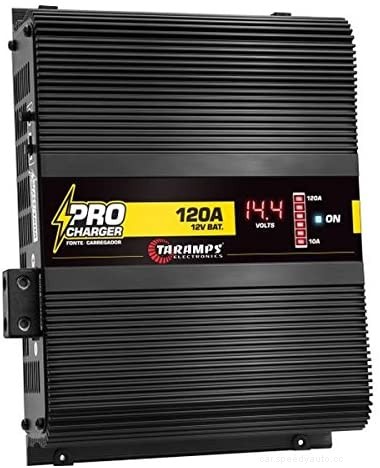
The Procharger is extremely powerful and will give your vehicle plenty of additional power. They are known for being much more efficient and work very differently in comparison to a Supercharger.
If you’re looking to add this extra boost to your daily use vehicle you should consider the safety and legal aspects too. If you are looking to add a smoother build-up to speed then a Procharger will be the more practical and economic option in the long haul.
Pro chargers use high-speed impellers to pull the air in for compression. As the air reaches the center it gets radiated outwards by strong force where a diffuser that surrounds the impeller then turns the air into high pressure.
The molecules in the air work to reduce the velocity coming through, whilst still increasing the pressure. They generally are considered to be better than Superchargers, however, they do feature louder and rather distinctive whining sounds on startup. This can put off many car mod enthusiasts as the rival Supercharger doesn’t have this sound that can put many people off.
Although not the number one option if you’re seeking a speed demon, a Procharger does tend to be a more practical option if you’re in an area where you need to consider legal and safety issues when using your vehicle. This also means centrifugal Pro chargers are more economic and won’t blow through your gas.
However, there will still be maintenance costs and stress on your car which is why it is important when undertaking this addition to your car that you maintain regular servicing and oil top-ups.
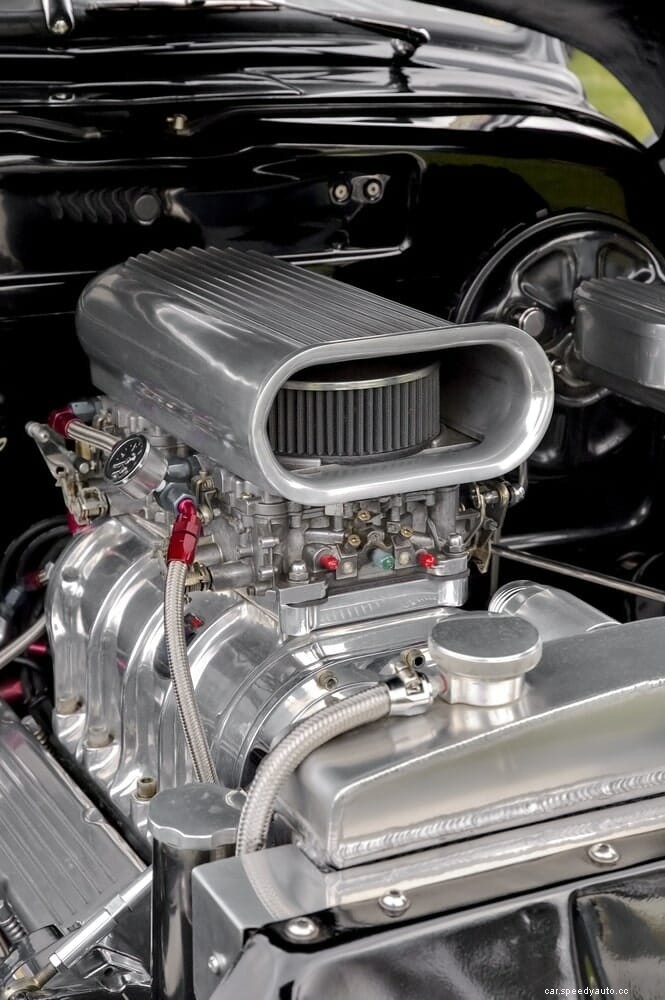
There are two main variations of Supercharger available on the market, but more commonly referred to is the classic Roots Supercharger that goes where your intake manifold typically is placed.
Roots Superchargers use spinning meshing lobes to move the air from either side and as this air builds up in the intake manifold it creates positive pressure. They are quite noticeable too as they created the famous “bulge” in your hood by resting on top of the engine to give you that powerful look.
As classic as this look maybe, they are known for being bulky in size and not feeding the air consistently into your engine. However, their iconic look and the lack of subtle appearance on your hood is what attracts so many people to the Roots Supercharger when it comes to improving your vehicle’s speed and performance.
The Twin-Screw Supercharger is more efficient where the Roots lack. They efficiently draw air through the gears on a set of meshing lobes which are then trapped into pockets. Rotor lobes on the twin-screw have a tapering to them which is used to compress the air into a smaller place on its movement from side to side.
Not only is a twin-screw more efficient because of this, but it also means you can get several versions that don’t need to be fitted onto the top of your engine like a Roots Supercharger. The downside of this version is a higher price tag and the need for some sort of noise suppression system to be fitted as they are not known for being subtle.
Both the Procharger and Supercharger have impressive qualities and the ability to transform your vehicle into an immensely impressive piece of kit, but if you are still struggling to decide here are some of the differences between the Procharger VS Supercharger.
For most car owners increased performance is the reason they are looking to add either a procharger or supercharger to their vehicle. There is no doubt that adding either of these will do just that but which will maximize the performance, there are a few things to consider.
Adding horsepower to your vehicle will automatically increase performance but you also need a responsive pedal to power to get the best from it. A supercharger has no lag and the pedal to power is almost instant. So if you are looking for that immediate pedal to power response superchargers will definitely offer the performance that you want. On the other side is a Procharger that offers a smoother build-up and eases the power to you.
While adding the extra horsepower will also add value to your vehicle you don’t want to break the bank. You need to consider your budget and how you want to use it.
Start by considering how much extra power you want to squeeze out of your car. If you are just looking to go as quickly as possible from 0-60 then a classic roots Supercharger may be the right choice for you. They offer you a quick supercharge of power and can start from around $2700.
However, for most people, a Procharger may be a better option for the long haul as they will burn through less gas. Both systems come with their own maintenance costs but by choosing the right system for your vehicle and limiting the stress you are putting on it you can keep this to a minimum.
Once you have made your choice on which system is right for you it’s time to think of a few other considerations – firstly is upkeep.
Your supercharged engine is now under more stress and you will need to pay careful attention to your car’s oil level. The kind of gasoline that you are filling up with will play a key role in the longevity of your engine. It is best to opt for premium fuel and unless directed otherwise by your professional mechanic avoid all other types.
For cars with automatic transmission, they will need to be serviced regularly and without fail as they will be under extreme stress.
Both centrifugal Superchargers and Prochargers use a drive belt, these have an expiration date of around 50,000 – 70,000 miles and will then need to be replaced.
Prochargers and Superchargers are very similar but the Supercharger does boast more efficient features and a smoother air stream.
The Procharger Centrifugal Supercharger adds 300hp to a stock engine.
Prochargers are known for the whining sound they make upon startup and when being revved, unlike the Supercharger.
Many car owners use Prochargers on their daily use vehicles, but you should be aware of the increased fuel and maintenance costs that come with this addition as well as the regular need to top up your engine oil.
In comparison to the Supercharger, a Procharger will have smoother airflow and cleaner power boosts meaning there is less chance of lag.
As long as you have proper engine maintenance and oil changes, Supercharging your engine shouldn’t reduce its lifespan.
Both the Procharger and Supercharger have their unique capabilities that can enhance your vehicle so choosing the right one is never an easy task, especially with such variations in driving experience given by these options.
Supercharging or Procharging your vehicle is a big task and there are a lot of aspects you should consider before taking on this powerful addition. The idea of modifying your car like this can be an exciting time and gaining the potential from your vehicle is a fantastic feeling, but not only is there the initial cost to account for, but the long term running costs associated with these types of modifications as well as the more frequent need to check and maintain engine oil levels.
For more car charger-related topics, check out these posts:
How Long Does It Take to Charge a Car Battery While Driving?
How To Read A Battery Charger Amp Meter
Only One Charger For 52 Electric Cars: Catastrophe on the way?
