
Anti-lock braking systems (ABS) are designed to keep your wheels from locking up as you brake. In order to slow down your car, it pulsates the brakes. The ABS sensor detects wheel speed, pedal effort, and braking force to determine whether any adjustments are necessary. Let’s discuss the transmission performance problems that might be caused by an ABS sensor.
Brake assemblies often house the ABS sensors. Brake force sensors have a straightforward job … to detect how much force is applied to the brakes during an emergency stop and then transmit that information back to your car’s ABS system. Most automobiles include a sensor on each wheel. If you’re concerned about your vehicle’s traction, keep in mind that the ABS system was developed for anti-skid purposes, and it doesn’t react to that.
When ABS sensors fail, they tend to damage the whole braking system rather than simply one wheel or another. This is due to the fact that the car’s computer processes all of the signals from individual wheels and then sends them back out to either an electronic control unit or a hydraulic control unit.
In an emergency, a spongy brake pedal and a longer stopping distance are both possible if the ABS sensor isn’t delivering accurate data back to any of these components.
Overheating of ABS sensors, such as during racing or track days, is the most common cause of ABS sensor failure. It’s possible for ABS sensors to malfunction if they get too hot. It’s not uncommon for a sensor to fail due to a lack of heat sink or thermal insulation.
With an aftermarket exhaust system fitted, you may be generating extra heat that’s leading the ABS sensor to overheat. It’s not always the case, but if you have an aftermarket exhaust system, chances are it was developed for motorsport rather than street usage, so there can be an issue with insulating material or ventilation that might create difficulties in the future.
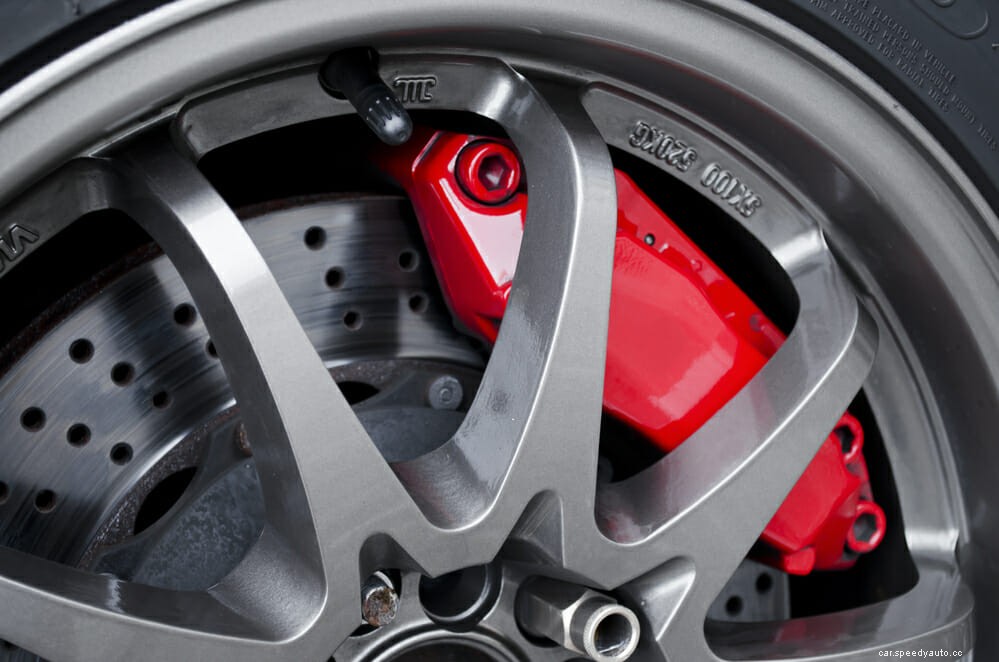
An anti-lock braking system is referred to as an ABS. It’s an electrical braking system that prevents the wheels from locking up under heavy braking circumstances, allowing the driver to keep steering control during emergency stops. Stopping safely in a variety of road situations is much easier using this technique.
Hydraulic brake lines are the most common location for ABS sensors. You may also locate them on top of each wheel assembly, as well as near the wheel. If you don’t know where to locate them, you’ll need to ask your technician or repair center for help. Generally speaking, they resemble little cylindrical shapes.
If a car has this capability, ABS sensors are installed in order to minimize stopping distance and avoid wheel locking in the case of an emergency braking situation. The ABS light illuminates when the system identifies a fault with its circuitry or pressure sensor. Wiring problems and faulty sensors are the most common causes of this problem, which necessitates a repair or replacement.
Fluid from either the master cylinder or rear power brake components may have spilled, making your car’s brake pedal feel “spongy”. Whenever you detect a few droplets of water on the ground, check to see if there is any discoloration in the region and also keep an eye on your brake fluid level.
ABS sensors may malfunction due to a variety of issues, including defective wiring, malfunctioning sensors, and worn-down rotors and calipers. As soon as you notice anything amiss with your vehicle’s braking system, it’s imperative that you have it corrected by a trained specialist.
If your dashboard ABS light comes on, double-check that the issue isn’t with a tire or wheel speed sensor before proceeding.
One of the most typical causes of an ABS warning light turning on in your car’s dashboard is the failure of one or more sensors. An independent brake inspection will reveal whether or not this has occurred.
Absolutely. When the ABS sensor fails to provide the right data to the car’s computer, transmission problems might occur. Having this problem causes the ECU to lose connection with different components of the drivetrain, which will limit how quickly you can get rolling again after a halt. While this occurs, you may notice a lag in response time when applying gas to your vehicle.
The good news is that you can replace your old or damaged ABS sensor, which in turn will prevent any long-term transmission troubles. Replacement of an ABS sensor for automobiles may help solve other difficulties, such as poor fuel efficiency which may be caused by idle speed control concerns.
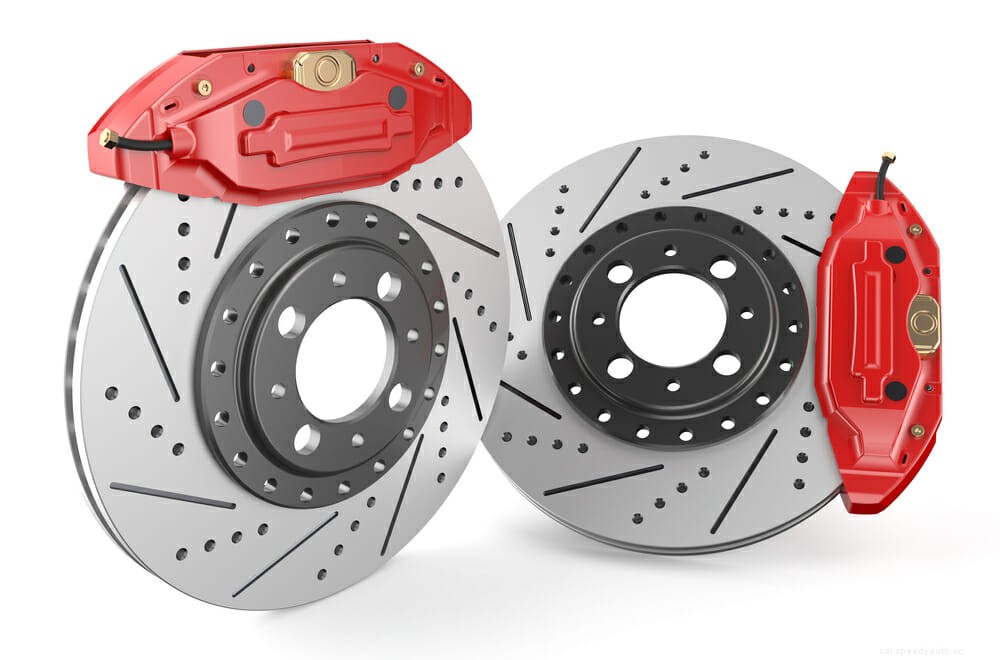
Not just gearbox problems, but any faults with your automobile might be caused by a faulty ABS sensor. If you haven’t had a problem with the drivetrain in a while, replacing the old ABS sensors will likely eliminate any future issues as well.
Transmission slippage may be caused by a number of different problems, including a malfunctioning wheel speed sensor or an engine computer error.
When anything goes wrong with your car’s engine, it’s always better to have a professional look at it and make any repairs that are necessary. In order to get the issue diagnosed, you may either go to a local technician or take your automobile to a repair shop.
Based on vehicle type and labor expenses, the typical cost of replacing an ABS wheel speed sensor is $200 to $400 per sensor. For the sensor, you may expect to spend between $100 and $150 and for the labor, you can expect to pay up to $300.
You may lose control of your car and cause a collision if the ABS system does not know to start operating. When a sensor fails, the whole system is rendered inoperable because it lacks the necessary information.
Brakes will still operate, but their safety and functionality will be impaired while stopping at high speeds without an anti-lock braking system (ABS). Under normal circumstances, the brakes will continue to work properly, but you’ll notice a difference if you need to use the brakes forcefully.
Expect to pay between $250 and $400 for each axle for a brake service that includes replacing brake pads and rotors. Costs may rise significantly if you use a heavy-duty pickup vehicle to move or tow often.
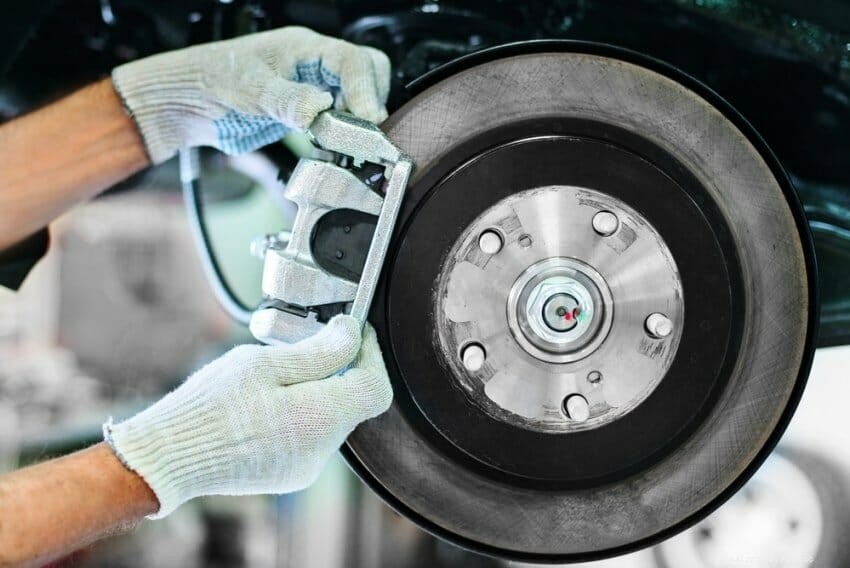
Brake inspections are recommended at least once every six months. In order to avoid forgetting, most individuals get this done at the same time as their tire rotation. If you can’t remember the last time your brake system was inspected by a professional, make an appointment right away.
Because it is so simple to replace the ABS sensor, the only drawback is the expense. There is a chance, however remote, that a failure in your ABS system might create transmission issues. It is most likely that loose wires or weak electrical connections in the wiring harness near the sensors are to blame for this issue.
The cables may be damaged or snagged by mice or anything sharp, which might indicate that your ABS system has malfunctioned. Repair and replace any damaged wire before replacing the sensors themselves if there is evidence of damage.
Poor connections in the wire harness are the most common cause of transmission difficulties caused by ABS. To avoid damaging your driveshafts, axles, and other moving parts, ensure no wires are damaged and that they are correctly routed.
Check out more of VehicleFreak’s ABS-related posts here:
How To Reset ABS Light On Dodge Grand Caravan
What Does Service Brake Assist Mean?
How To Reset Parking Brake Light
