
If you’ve been having problems with your car recently, it might be time to check the gas cap. A loose gas cap can cause all sorts of issues, from decreased fuel efficiency to poor engine performance.
In this article, we will discuss some of the problems that can occur when a gas cap is loose. We’ll also provide some tips on how to fix a loose gas cap. So if you’re having car trouble, be sure to check the gas cap!
A gas cap is a device that seals the fuel tank on a car. It’s important to have a tight gas cap because if it’s loose, fuel can evaporate from the tank and escape into the atmosphere. This can lead to decreased fuel efficiency and environmental pollution.
A loose gas cap may not seem like a big deal. However, there are quite a few problems that can result from a loose or missing gas cap. And these problems will only get worse if the problem is ignored for too long:
If your gas cap is loose and/or missing, you will likely lose fuel economy because the evaporative emission control system could get damaged. This can happen when unburned fuel in your car’s engine escapes out of the filler neck and into the atmosphere, which has harmful environmental effects.
A loose or missing gas cap can also allow dirt and moisture into your car’s fuel system through a process known as “cold running.”
When this happens, it can lead to reduced power and performance problems in the vehicle. As if that were not enough, a hot air leak caused by a loose gas cap can make the evaporative emission control system work less efficiently.
This will not only result in fuel being wasted, but it can also lead to more of your car’s expensive components being exposed to damage and high temperatures.
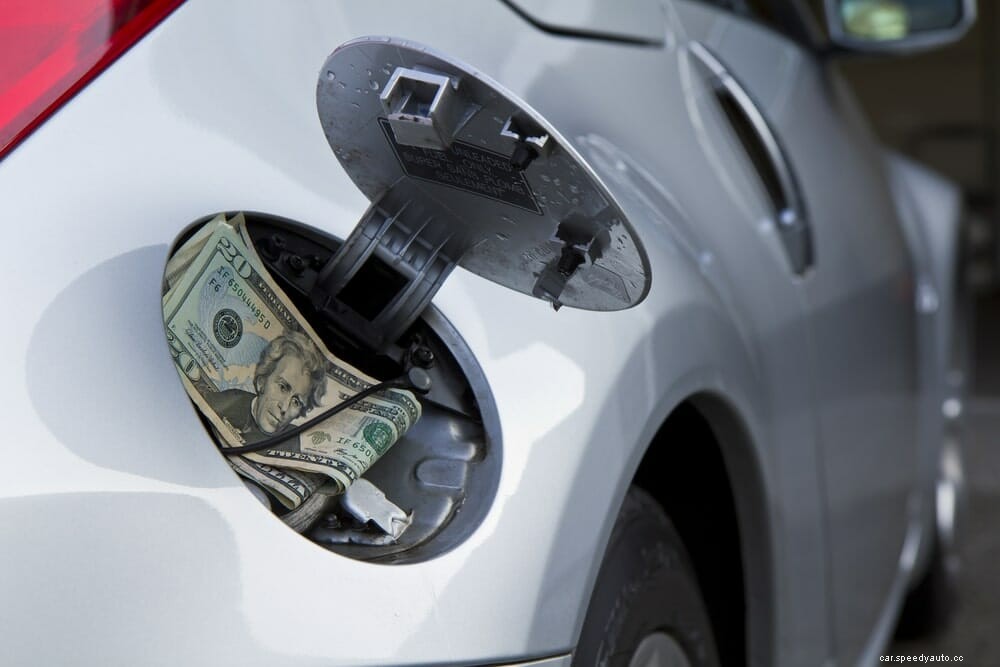
When a gas cap is loose, it can allow contaminants into your vehicle’s fuel tank through a process known as “cold running.” When this happens, the dirt and moisture from the evaporation of gasoline may eventually cause engine misfires.
You may experience rough idling or stalling when you start your car if there is too much moisture in your car’s ignition system.
When unburned fuel is allowed to evaporate into the air, it does not simply disappear. All of those hydrocarbons from your gas tank will be released into the environment and can have a harmful effect on the air you breathe.
Driving around with a loose or missing gas cap can cost you more at the pump. In fact, leaks caused by a missing or damaged gas cap could add up to 11 cents per gallon to your gasoline costs.
When your gas cap is loose or missing, your car’s under-car gas tank vapor recovery system may lose its suction which means that vapors that could otherwise be recycled back into your vehicle’s engine to reduce emissions are instead burned off through a process known as “flaring.”
The leaked vapors accumulate in an area around your car where they can become a potential safety hazard for pedestrians.
Leaving your gas cap loose or off can allow heat to affect your car’s emissions control system. The high temperatures inside the fuel tank that result from this may lead to long-term damage to components like hoses, valves, and seals in your evaporative emission control system.
These parts are responsible for controlling the number of vapors released during fuel combustion and therefore, must be working properly for you to pass an emissions test.
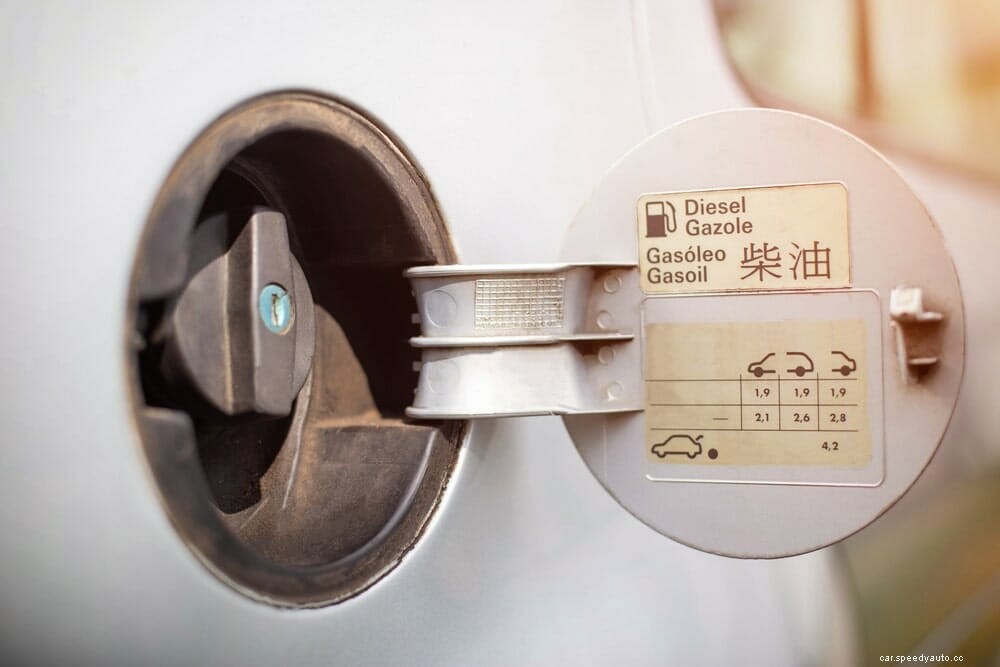
A loose gas cap can be caused by a number of factors, including:
Put on your gloves and protective eyewear, get down on your hands & knees, get under the vehicle with it running, put the gas cap back in place if it had been removed previously, then remove that plastic cover. If you can’t get under the vehicle then use a mirror to view inspect underneath itself.
Do this by slowly driving up to a wall so the bed of the truck faces towards it – while placing something reflective (like aluminum foil) against the said wall so you can see what’s going on underneath through any open spaces around either side of the bumper.
DO NOT FORGET to turn off your engine before attempting this… else you’ll quickly get a bad case of carbon monoxide poisoning!
It is easy for mechanics and do-it-yourselfers to figure out if they need a new gas cap by tightening the gas cap very slightly. If the check engine light illuminates shortly after driving away, chances are good that there is some sort of vapor leak in your vehicle’s evaporative emissions system (EVAP).
Replacing an old or faulty gas cap will fix this problem almost 100% of the time. The process takes just minutes & costs less than $10. However, don’t be surprised if your mechanic replaces other fuel system components along with your gas cap.
That’s because the process of “replacing an old or faulty gas cap” can also include:
A switch attached to this hose opens and closes according to how much pressure is in the system so it knows when there’s too much pressure and needs to let some of it “evaporate.”
You want just enough pressure to open/close this switch so you get a good amount of gas but not too much. Too much pressure and you’ll have a spillage situation.
The rest of the process is basically to keep this from happening by ensuring there is just enough air going into your tank for the pressure needed to move those vapors along, but not too much.
If your mechanic replaces any or all of these parts as part of your gas cap replacement service, then it’s important that he does these things in this order:
In the long run, having a “gas cap repair” or “replacing an old or faulty gas cap service” conducted on your vehicle will save you money because the EVAP system is responsible for decreasing your vehicle’s pollution.
This system can continue to function optimally & efficiently by replacing any of its components when necessary. Replacing the gas cap itself may cost less than $10 but mechanic labor rates are typically higher than that – especially if he has to do anything else in addition to tightening the gas cap.
If something needs to be replaced in order for this process to happen, then you’ll also have to pay for replacement parts which could add up quickly.
It really makes sense to spend that extra time looking under the hood at some point and figure out what else might need to be fixed along with the gas cap replacement service. This is because you’ll pay for those other components as part of the labor cost, which could end up costing you less than having them done separately or not at all.
Replacing just a gas cap can usually be completed within 20 minutes during a regular oil change at most car dealerships, but it may take your mechanic much longer than that – especially if he ends up replacing parts along with it.
Do-it-yourself? No problem. Replacing the gas cap is quite simple, but there are a few safety precautions you should keep in mind when doing so by yourself:
If you have other problems going on with your EVAP system, then not only should you have them addressed but also try to figure out why such things need to be fixed in such order.
Replacing rubber hoses (if required) and tightening the gas cap is supposed to fix most issues associated with loose parts clanging around, but if this isn’t enough & mechanic labor rates are way too high, then you might need your entire EVAP system replaced – which involves a lot more than just the gas cap.
When buying new parts from your local dealership, remember that some GM vehicles require different part numbers for their replacement parts so it’s not a good idea to assume they’ll fit without double-checking first.
There are many types of gas caps but most modern vehicles come with the traditional kind (with a screw-on type cap) while some trucks and older cars may require you to twist their gas caps open.
The main difference between these two types is that the screw-on type needs to be twisted back on in order for it to seal correctly, while the twist-open type needs to be twisted back on and then locked into place with a spring-loaded locking mechanism.
Gas caps come in two main configurations, one of which is universal (meaning it will fit all cars) and another that’s vehicle specific (which means it only fits certain models – depending on their filler neck design/shape).
Universal gas caps are usually made out of plastic or aluminum, but can also be found in stainless steel (more expensive than regular metal types) & even carbon fiber (stronger than regular metal ones).
They come in many different shapes like square, round, domed, teardrop-shaped, etc – which you should always check before making a purchase. Keep in mind that universal caps aren’t really universal and it’s always better to pick vehicle-specific gas caps.
Vehicle-specific gas caps are easy to distinguish because they all have the same basic design – a larger, spring-loaded cap with an external locking mechanism & a smaller internal one that’s attached to the filler tube inside your tank.
Because these types of gas caps only fit certain models (depending on their filler neck dimensions), it’s best if you can take your existing one with you whenever buying one online or buying it from any auto parts store.
While many universal gas caps will look like they fit perfectly once installed, this isn’t always true… so be wary when making purchases online at automotive stores!
When placed side by side, some vehicle-specific ones might even look like they would fit too – but they won’t lock into place. Be sure to check for this before you leave the parts store or click on any “order now” buttons!
This question doesn’t have a simple yes or no answer… mostly because everything is relative to the type of car you drive. If your car was made during the 70s for example, then it’s entirely possible that its gas cap was made out of metal – which in turn means that it would produce better mileage than newer models.
While this might seem counter-intuitive for some, just remember that older cars were built using older technologies & materials – both of which often came with their own disadvantages when compared to today’s standards.
Still, even by modern standards – not all metal caps are created equal. They can have different base shapes (round vs rectangle), locking mechanisms (grip vs lock vs snap) & sizes… so take these features into account whenever buying a gas cap.
At the same time, you should always try to avoid plastic parts of any kind, especially for your car’s fuel tank filler cap.
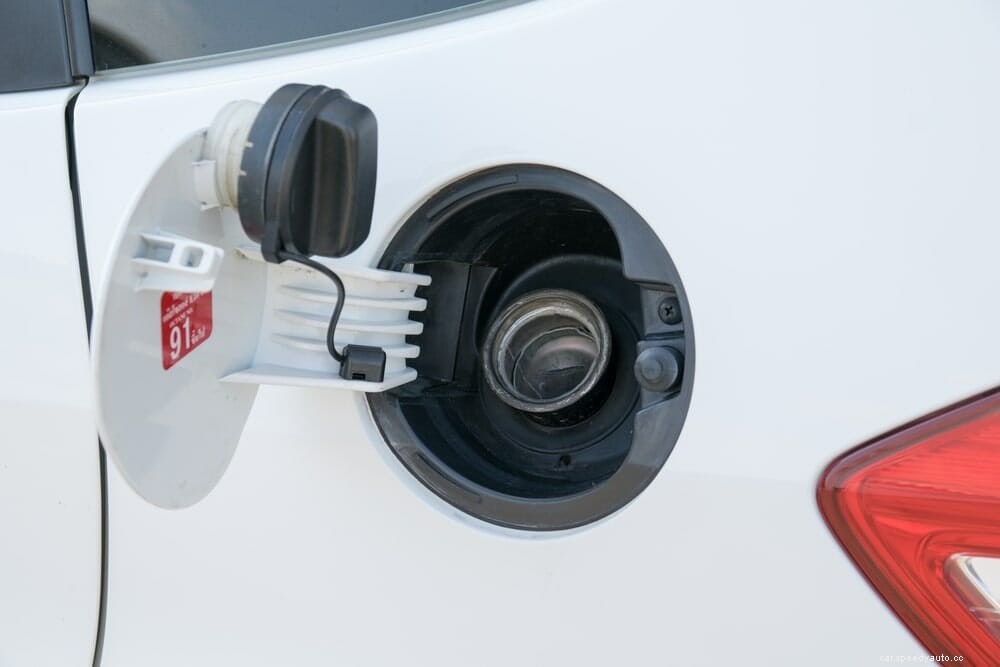
There’s no one answer to this question because the answer depends on how often you drive. If you’re a typical city driver and only leave your home every so often, then it might take years before your cap starts showing signs of wear & tear.
On the other hand, if you live in some rural area where driving long distances is necessary… we would recommend replacing your gas cap after 2 – 3 years have passed. We say that because such areas require more frequent refueling than what most people would do when living in a city or suburb.
Before ordering online, we recommend that you take your existing gas cap with you whenever buying one at an automotive store (just in case). If this isn’t possible, then be sure to check out these guidelines on how to select the right fuel tank filler cap type for your car:
First, determine what type of gas cap is currently attached to your vehicle’s filler tube & measure its diameter (on the bottom half of it) while keeping in mind that some caps will have more than one number.
Also, if it has a logo or graphic on the top half, be sure to measure that too. Just write down all of these numbers before leaving the parts store or clicking the “order now” button!
Next, find an online automotive store & determine which gas cap would fit your car based on its filler tube diameter… while keeping in mind that most caps won’t have this information posted online (unless you come across a specific make/model).
You can always look up your car’s specifications on various automotive websites. Just remember that even though they might mention your vehicle’s exact dimensions for other parts, they are only guidelines when looking for fuel tank caps.
Lastly, take note of what material is used to manufacture the gas cap you’re currently using – as well as what type of locking mechanism it has.
This is important because some caps are made out of different materials & can have more than one locking mechanism. Both features of which should be taken into account whenever making a purchase online or buying from any auto parts store.
Before leaving the automotive store with your newly purchased fuel tank filler cap, make sure to close its external lock if you have one on yours (some will automatically do this once closing the driver side door).
This might seem like an unnecessary step, but just imagine how annoying it would be if you had to stop at every gas station on your way home just so that attendant could open it for you!
Lastly, remember that no matter how much research you do or which gas cap you buy – your fuel tank filler cap should always be treated like the sensitive piece of equipment that it is.
If after installing it you notice any problems (like your car’s mileage decreasing) then take it back to the store for a possible refund or replacement.
Today, there are a lot of choices out there when it comes to purchasing a new fuel tank filler cap. The only problem is that not all universal ones will fit perfectly as many people would have you believe, especially if your car has a unique design or if it doesn’t follow any tried & true standards.
So make sure to take good measurements before buying one online and remember that these caps should always be treated with care.
