
Ever experienced a solution that brings with it more problems than answers? That could be very similar to a fuel pump replacement. When you replace a fuel pump, it is usually because the previous one is malfunctioning.
With the new one, you expect all your problems to go away, and your engine to work at peak performance. This is not always the case. Sometimes things do go sideways. Let’s look at the 5 common problems after changing a fuel pump.
In a combustion engine, a mixture of fuel and air is burnt to produce power to propel a car. The fuel needs to travel from the fuel tank, into the engine for combustion.
As you already know, the fuel tank is located in the back of the car, and the engine is located far away in the front. For the duel to get into the engine, it has quite a journey to travel.
The reason why the engine and the petrol tank are placed far away is due to safety reasons. So the fuel needs to be let into the engine in appropriate amounts. This is where the fuel pump comes in. The pump transports the fuel from the fuel tank and into the engine.
There are 2 types of fuel pumps in use. That is the mechanical fuel pump and the electric fuel pump. To get a better idea of why fuel pumps fail after replacement, you need to know how they work in the first place.
Mechanical fuel pumps are powered by the engine. Usually, they are connected to the camshaft, but occasionally in some engines, you find fuel pumps operated by the crankshaft.
The rotating motion of the camshaft induces a lever in the fuel pump. This sets a series of motions and eventually pulls down on a diaphragm. This sucks the fuel into the pump through a one-way valve.
As the camshaft turns further, the lever and the diaphragm go back to their initial position. Since it is a one-way valve, the fuel cannot go back through the one-way valve. But the as the diaphragm constricts, the fuel is pressured to leave the pump.
Thus it goes through another valve leading to the carburetor. As the process repeats, the pump will draw more and more fuel and send it to the engine.
The basics of the electrical fuel pump are quite the same. It acts with the same diaphragm system to draw in fuel from the tank and send it to the carburetor.
The main difference is that an electric fuel pump is not connected to the camshaft. Instead, it uses a solenoid, which is an electromagnetic switch to pull down on the diaphragm.
Here when the solenoid is switched on, it attracts an iron rod, that is above the diaphragm. This pulls the diaphragm creating the suction. Thus the basic principle on how these two operations are the same. The only difference is their power source.
Fuel pumps aren’t components that fail often. These components are known to last for over 200,000 miles. On average fuel pumps last around 100,000 miles. Unless you are doing major repairs on your car, you do not need to worry about replacing the fuel pump regularly.
If your fuel pump has been working for over 100,000 miles, you might as well schedule a fuel pump replacement.
Other than the recommended 100,000-mile replacement, you should replace your fuel pump if you think that it is not working properly. Driving with a malfunctioning fuel pump can affect your engine. So, how do you find out when your fuel pump is bad?
To accurately identify a bad fuel pump, you need to keep an eye out for some symptoms.
Just like any other fuel-related issue, you will start off with reduced gas mileage. You might also run into sudden surges and drops of power. This is because your fuel pump is not capable of sending the right amount of fuel for combustion. This is also why your fuel efficiency is affected.
Another common and unique symptom of a failed fuel pump is the sound it emits. Obviously, when you hear unusual noises from your car, it indicates something wrong with your car. With a failed fuel pump, you will hear a whining noise from the fuel tank.
When your engine is not getting the fuel it needs, it will have a hard time keeping up with the stress you put on it. When you are hauling a lot of weight, pulling a trailer, or climbing an incline the engine is under a lot of pressure. Without the required fuel to deal with it, the engine will lose power. This will also indicate a faulty fuel pump.
As we looked at before, you do not need to replace your fuel pump often. But when you need to replace your fuel pump, thankfully it is an easy procedure. You do not even need a professional to replace your fuel pump as you can do it yourself.
Whether you do it yourself or you paid a professional to do it, changing the fuel pump will definitely lift your mode. You will be able to feel your engine at its best.
But the feeling might not last long. Though fuel pump replacement is a simple procedure, the smallest mistakes can cause havoc. In fact, you might make it worse by replacing the fuel pump, if you do not do it correctly.
Another thing to keep in mind is that this is not a rare issue. This happens to a lot of people. Days after you replace your fuel pump with a new one, you could end up with a failed fuel pump.
But why does this happen? Let us look at the 5 most common problems after changing a fuel pump.
This happens when the fuel pump that you replaced does not suit your car. Different engines require a different amount of fuel. Mostly they depend on the size of the engine. They do also depend on the manufacturer and the model.
Manufacturers suggest a specific type of fuel pump to their vehicle. This is because, for the engine to work properly, it needs to get the appropriate amount of fuel. This is especially true while starting the car. The first combustion starts a chain reaction to start your car. Without the proper amount of fuel, the engine might not be able to fire up.
After a while, the car might start, but if the fuel pump cannot supply the appropriate amount of pressure, you will find it difficult to start the car.
First, before concluding the reason for your car not starting is the fuel pump, you need to confirm it. You do not need to throw away a perfectly fine fuel pump. There could be many reasons why your car fails to starts.
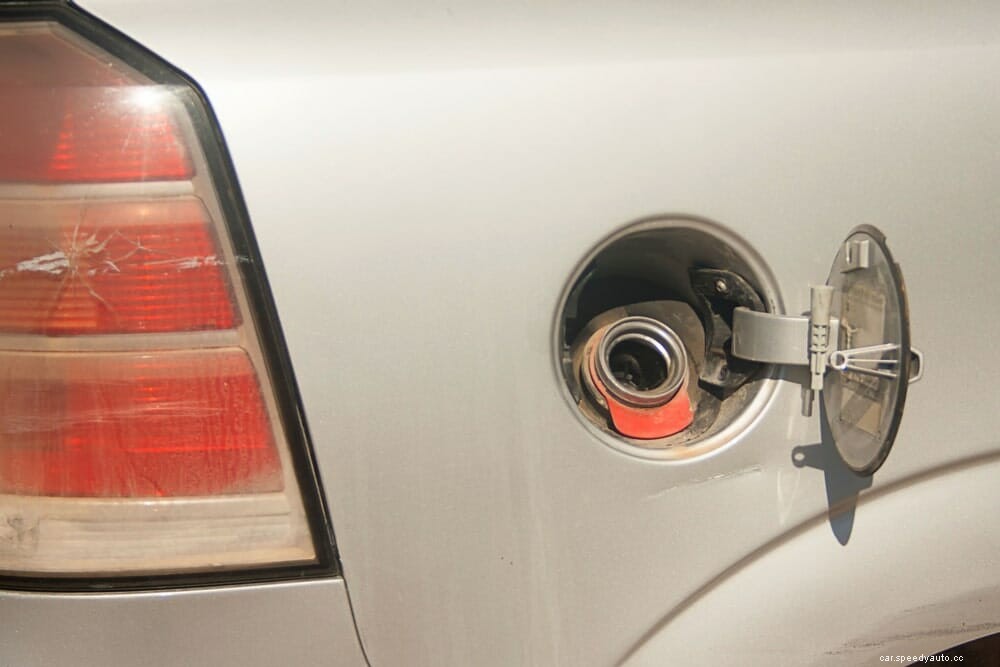
If this happens after a fuel pump replacement, you need to check the pump first. Remove the fuel lines that connect the fuel filter. Connect this to a fuel pressure gauge. This way you will be able to find the pressure at which the fuel pump is pumping the fuel.
Usually, the pressure lies between 60 PSI and 80 PSI. But in some cars, the value is lower. It could be between 45 PSI and 55 PSI. You need to replace your fuel pump, with a new one that can produce enough fuel pressure for your engine.
If your pump cannot satisfy your engine you need to replace it again with something more suitable. A fuel pump that cannot generate enough pressure will not only affect your car while starting. If the fuel pressure is low, your car could stall mid-drive.
This is another issue caused by fuel pressure. It is also caused when the engine is not getting enough fuel.
This is a problem that is often caused by improper installation. And this is more common in electrical fuel pumps. A fuel pump that doesn’t suit your car could also result in rough idling. But it is not as likely. This happens when the fuel pressure is not consistent.
Changes in fuel pressure, especially sudden drops are often the cause for rough idling. And it can be traced directly to the fuel pump. Just because you got a new fuel pump doesn’t mean that there is no chance of this happening.
As mentioned, this is more common in electrical fuel pumps. This is because it runs from electricity and is composed of multiple wired connections. While installation, if you fail to connect these wires properly, the electrical current will not be transferred properly.
Without a steady supply of electricity, the fuel pump will not be able to maintain consistent fuel pressure. So the problem often comes down to the wiring.
You do not need to replace the fuel pump again. But you have to get back to it and make sure the connection is right. Make sure all the electrical connections are secure and try firing up your engine.
After replacing the fuel pump, there is a chance that your fuel pump readings might go haywire. At one moment it will display that your fuel tank is full, and a few moments after, it may display that your fuel tank is empty.
This is often caused by bad wiring. Usually, you do not replace the pump alone. You often tend to replace the entire unit. This includes the fuel gauge sending unit.
The fuel gauge sending unit is in charge of reading and sending the information about fuel levels in your tank.
In some rare cases, even if you only change the fuel pump, the way the new pump works might cause the fuel gauge sending unit to brake. This could be caused due to overheating or high pressure.
You cannot do much at this point. If the fuel gauge sending unit has failed or broken, you will have to replace the entire fuel pump housing. This unit will include a new fuel gauge sending unit. Additionally, make sure to do the wiring done correctly, so you do not run into the same problem again.
You do not have to be a genius to figure out that after replacing your fuel pump if it is not working there is probably an error in the installation. But is this the case?
More often than not, if you encounter this issue, it is likely to be an improper installation. It is common to install the fuel pump mismatched. That is with the line that draws fuel from the tank set to be in the engine and vice versa.
Since the fuel pump can’t draw any fuel from the engine, it will not work. This is the most common installation error.
But this is not the only possibility. There is a chance that the pump relay and fuse might not be working. This will also result in a fuel pump that is not working.
Or maybe the problem was not with the fuel pump in the first place. The same symptoms of a fuel pump failure might be visible in some other problem. If you diagnosed the problem incorrectly, you’ll be replacing a working fuel pump instead of something else that is wrong.
Start with the most common issue. Check whether you installed your fuel pump correctly. If it is mismatched, then remove the unit and put it back in in the correct manner.
The fuse and the relay are rarely the culprits, but it is worth a check. If not you might have to go all the way back, and diagnose the problem again.
This can also be traced to a newly replaced fuel pump. Engine RPM surges happen when the fuel delivery to the engine is inconsistent. When the pump doesn’t inject the proper amount of fuel into the engine RPM surges might occur.
But as you know, for complete combustion you need fuel as well as air. Just cause you have more fuel doesn’t mean you will have more power. Without adequate air, you should be losing power. But if the fuel-air ratio that you are getting regularly is not balanced this can happen.
Sudden engine revs can be really dangerous. You cannot control your car if you do not have control over the accelerator.
At this point, you do not have a lot of options. If your engine RPM is inconsistent, you do not want to drive along more than you have to. By driving a car that you can not control you are putting yourself and everyone else on the road with you at risk.
So you need to consult a professional and get your fuel pump fixed.

After looking at the trouble that you could go through, even after replacing the fuel pump, you are definitely going to be interested in the ways you could make your fuel pump last longer. As mentioned earlier, fuel pumps last close to 100,000 miles and you can increase that range by following these simple tips.
The fuel inside your tank is the coolant for the fuel pump. So by keeping it filled at least 25% most of the time, you will be able to regulate the temperature of the fuel pump.
The weight of the fuel will also add pressure when sending fuel to the engine. This means that your pump doesn’t need to work as hard when you have a full tank of fuel.
Dirt and debris can damage your fuel pump. The only way that impurities can get into the fuel pump is through the fuel. When you fill your gas tank, be aware of the quality of the fuel. Try to avoid dirty, unmaintained fuel stations.
When looking at the maintenance of the fuel system you need to look at the filter. Make sure the fuel filter is not clogged or dirty. This will help keep the fuel clean.
Another part would be the fuel cap. Try to avoid driving without a fuel cap. The fuel cap helps seal in the vapors, thus making the job easier for the fuel pump. And it helps keep the impurities out of the fuel.
Here are some of the questions regarding the common problems you could face after changing the fuel pump.
The way you use it is one of the main factors that dictate the lifespan of a fuel pump. Usage generally means the amount of fuel you have in your tank while you drive. Having at least a quarter of the tank full at all times will increase the life span of the fuel pump.
Another factor is the quality of the fuel. There is not a lot you can do about this, but clean and well-maintained stations will have clean fuel.
Fuel pumps are made to last. They rarely break prematurely. Unless you see symptoms of fuel pump failure, you really do not need to even consider replacing your fuel pump, without driving 100,000 miles.
Symptoms of a faulty fuel pump include a significant drop in fuel efficiency, hesitant acceleration, engine stalls under heavy loads, increased temperature, fluctuation in speed, and fuel gauge errors.
Fuel pumps generally make a sight noise while operating. You rarely hear it while driving, but it does emit a noise. So it is okay if your fuel pump produces a quiet hum.
On the other hand, loud noises from the fuel pump aren’t normal. A faulty fuel pump will emit a whining noise. If you can clearly hear this while driving, it would indicate that your fuel pump is broken.
The cost of fuel pump replacement varies drastically depending on the car you drive. Different models have their fuel pumps in different locations. While some are easy to access some are really tough. Due to this labor charges add up.
Fuel pump replacement could cost as little as $250 to as much as $1200. The parts for the fuel pump cost around $75 to $250. The rest is labor.
You can cut down a huge sum of the cost by replacing the fuel pump yourself. The good news is that replacing a fuel pump doesn’t require experience or any other special skills. With the right set of tools and a proper guide, you should be able to handle this project yourself.
Replacing a fuel pump is a pretty easy job. Even if you have no experience working on your car, you should be able to manage a fuel pump replacement. But if the job is not done properly, or if you do not choose the right fuel pump for your car, you will run into trouble afterward.
Almost all of the time these errors such as car not starting, sudden RPM surges, rough idling, and all the other common problems are either caused by human error or incompatible parts. None of these are major problems. Once you notice that something is wrong you can go back and fix it.
Fuel pumps aren’t going to require frequent replacement. But when you do need one, make sure to do it correctly. Driving with a faulty fuel pump damages the rest of the car, so you should never ignore a fuel pump that is not functioning.
