
Some items are made for vehicles that can cause the paint to become damaged over time. These damages are small and silent; you will not know they are there. However, it now is a problem because all those silent scratches are more visible than ever.
You might come to find out that many people will utilize a common household solution, bleach, to clean their cars. However, does it really ruin the paint of your car?
Overall, yes, it will ruin the paint on a car. However, the damage will be worse if it’s left on the car for an extended period. Remember that bleach is not diluted and using undiluted bleach on a car could lead to terrible results.
While you should not always use bleach for a vehicle, there are certain situations where you can. When you have not budged stains, you can utilize bleach to clean them. The chemical makeup in bleach will allow you to tackle small stains on your vehicle.
It is safe to use in cars if you are using it right. You want to have both bleach and a solvent. This will allow it to be used on your vehicle. With that said, some people pour bleach on the stained area, which is not recommended.
This could cause damage to your vehicle’s paint. It is important that you are not leaving the bleach on your vehicle for a prolonged period. It will ruin the paint of the car.
It would be best if you did not utilize bleach with other cleaning agents either. Bleach should be used on its own and never blended with another cleaning solution. If you want to add something to the bleach, add water. This will reduce how harsh the bleach is as well.
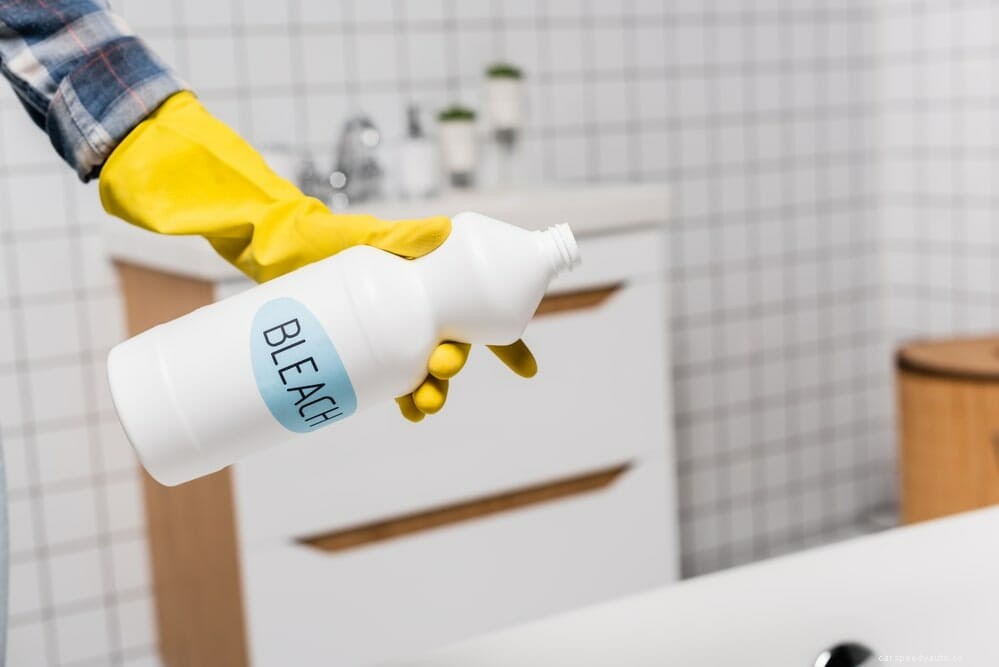
You want to use bleach to combat stubborn stains. However, you now have left the bleach on your vehicle. You forgot about the bleach. It could cause a chemical reaction to occur. This will result in oxidization and plenty of other damage.
Bleach can be used if you dilute it and use it cautiously. Here are a few mixtures to avoid when using bleach.
You will find that mixture number one will make chlorine. This gas can knock someone unconscious. It is not something to mess around with. People breathe this in, and it can cause issues with breathing and coughing.
The second mixture will make what is known as chloramine. This will cause you extreme pain in your chest when you breathe it in. The last solution will make chloroform. This will knock you out.
Instead of these dangerous mixtures, dilute bleach with water. You can then use your nearest towel to wash the solution off your vehicle. Make sure you are rinsing the car off with clean water to ensure that no other reactions happen.
If you pour direct bleach onto the paint of your vehicle, it will have a chemical reaction with ease. It will not take long before this reaction happens. It will oxidize and remove the paint. You will notice that bleach reacts fast.
Remember that if it touches you. If you find that bleach has touched you, it could cause burns to the skin.
When you use bleach that has been diluted with water, it will be easier to avoid triggering that chemical reaction. When you dilute the bleach with water, it will allow you more time to clean the car before the reaction occurs.
Keep in mind to always wipe the bleach solution off in a timely manner to avoid unnecessary oxidation on your vehicle.
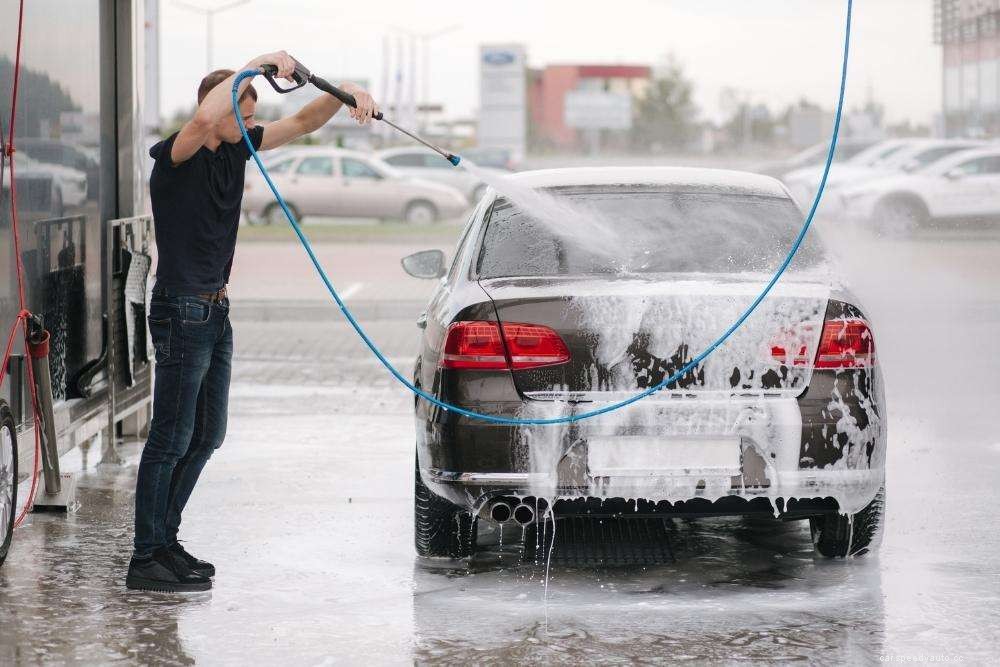
When we discuss and say do not leave the bleach on your vehicle too long, we are not talking about a few hours or ten minutes.
When we talk about bleach that has not been altered, you should leave it on your vehicle for less than three minutes. This will allow you to get the stain off without ruining your paint.
Bleach will react quickly. This means that in sixty seconds, you might have a chemical reaction occurring. This also means that oxidization is happening.
If you are using bleach that has been diluted with water, you can let the solution sit for up to three minutes. Do not let it sit any longer. It will still cause a chemical reaction with the paint.
Bleach is known because it removes stains from anything, including the paint of your vehicle. You can remove even chemical stains with bleach. The hardest part is ensuring you dilute the water properly. Remember that there are different producers of bleach as well.
Each item that is made is different. However, each bottle will have special instructions on how to use it. There will be different directions for different surfaces. Let us look at the steps of washing your vehicle with bleach.
The first step is to wash your car as you normally would. You want your vehicle to be clean. You want all excess dirt removed. You do not have to dry the vehicle after this process. Let us move to step two.
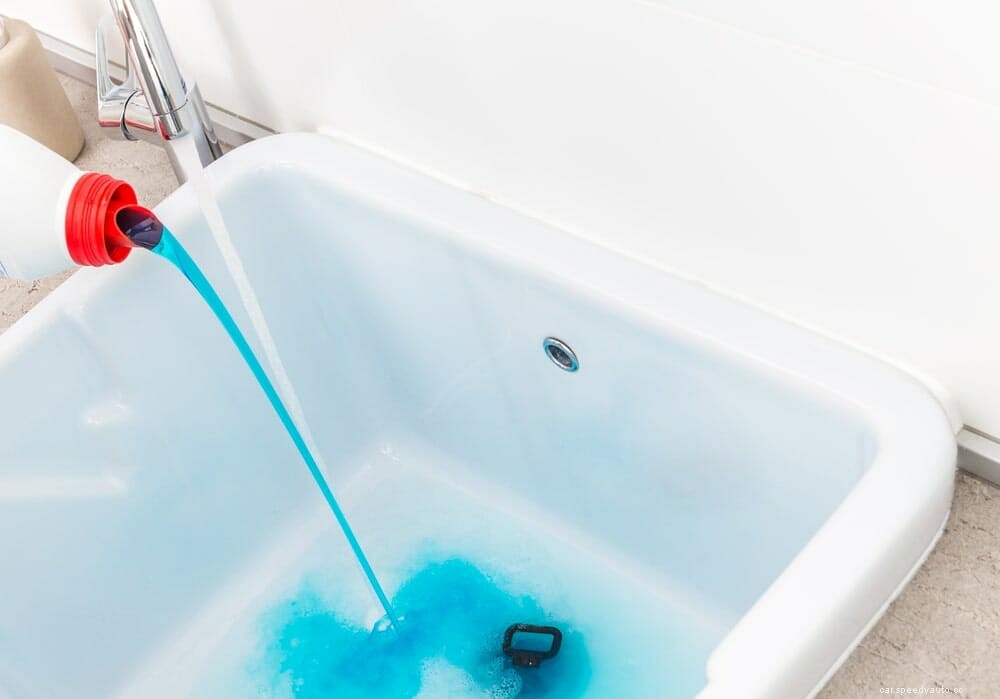
The second step is to put your bleach into your water. Do not mix any other agents with the water. Bleach should be used on its own with water. You will use about a half cup of bleach per one gallon of water. Look at the bottle to ensure that this is what is recommended by the maker of the bleach.
You are looking for areas that are stained. You want to have a towel on hand for this as well. You will dip this towel into the bleach and water solution. You will use this rag to scrub your stain. Make sure that you are working on a selected area at a time.
You do not want the bleach and water solution to sit on the paint longer than it should.
Once the stain is gone, or the bleach has been sitting for about three minutes, remove it. You want to ensure it is removed to avoid issues with your paint. You will use water to rinse your solution. Make sure it is rinsed completely.
Now that the vehicle is rinsed, you can check for more stains. If you still find stains after scrubbing them, use bleach as is. However, make sure to use small amounts. Be sure that you are rinsing quickly to ensure that the bleach does not ruin your paint. It would be best if you let this sit on your vehicle for no longer than a minute.
Tip: If you have wax on your vehicle, bleach will take that layer away if you leave bleach sitting too long.
We are going to look at some different questions people have about using bleach for cleaning. We want you to feel safe when using bleach to clean your car. We are going to talk about safety hazard questions and much more!
If you are working with bleach, it may be wise to wear a mask or respirator. You want to ensure that you do not inhale bleach. Bleach can cause someone to have issues with breathing, rash, diarrhea, and even slurred speech. It is a chemical that should be used with caution.
If you accidentally swallow bleach, there are a few options for you. The first one is a white powder. This powder will cause you to vomit. This is done when there are lesser amounts ingested. If there are larger amounts in the body, there will be other methods of removal.
If you are experiencing issues with your gastrointestinal system, you will want to drink as much fluid as possible. Drinking fluids and urinating will eliminate the bleach from your system quickly.
If you get bleach in your eyes, you should wash them in a flush station or under running water for at least ten minutes. This will ensure that major eye damage does not occur.
Bleach will not mix well with paint. You will find many issues if you use bleach and let it sit too long on your vehicle. You can use a rag to use bleach and wash with it. You never want to pour direct bleach onto the paint. This will cause oxidization.
Taking the time to know how dangerous bleach is, is especially important. Bleach is a dangerous chemical that should always be used with caution. When working with bleach, always use proper protective equipment.
This will ensure that you are not in danger. Bleach can cause serious burns and damage if it gets on your skin. Be sure to look at all warnings and directions on the bottle of bleach you have before starting.
