
There are a lot of ways to rev a car engine, some easier than others. In this blog post, we will cover how to do it on an automatic and manual, depending on the transmission type of your car.
To rev a car engine without moving with an automatic transmission, all you have to do is step on the gas pedal and hold it down while you hold the brake. To rev a car engine with a manual transmission, hold the clutch and step on the gas pedal, but make sure you’re not doing it on an elevation, or your car can start moving.
We will go over both methods in detail below!
In case you’re not familiar with the term, revving a car engine is simply the act of increasing its RPMs (revolutions per minute). This can be done in order to increase power and speed, or just for show. It’s a common practice among car enthusiasts and there are many ways to do it.
As we mentioned earlier, all you have to do is step on the gas pedal and hold it down while you release the brake.
The car will then start moving forward and the engine will begin revving. You can let go of the gas pedal once you’ve reached the desired RPMs, or continue accelerating until you reach your top speed.
The only thing to be careful of is not letting go of the gas pedal too soon. If you do, the engine will slow down and you’ll have to start over. So make sure you hold it down until the car reaches your desired speed.
With a manual transmission, revving is a bit more complicated but still not too difficult. The process is basically the same as with an automatic – step on the gas and hold it down while releasing the brake. But instead of just accelerating, you also have to shift gears at the same time.
For example, if you’re in first gear and want to get to second, you would step on the gas and hold it down while simultaneously shifting to second gear. It’s a bit more complicated than with an automatic, but not too difficult once you get the hang of it.
There are many benefits of revving a car engine, and we will go over just a few of them below.
One of the main reasons people rev their car engines is to increase power and speed. By increasing the RPMs, you can achieve these goals much faster than if you were just to accelerate normally.
Another benefit of revving is that it results in greater engine response. This means that the engine will be able to reach its desired RPMs much faster, which can be useful when starting off from a stop or passing other cars on the highway.
Finally, another common reason people rev their engines is for the noise and exhaust smoke. There’s something satisfying about hearing that roar from under your hood and seeing those plumes of black smoke coming out the back end of your car!
There are many dangers associated with revving a car engine, and we will go over just a few of them below.
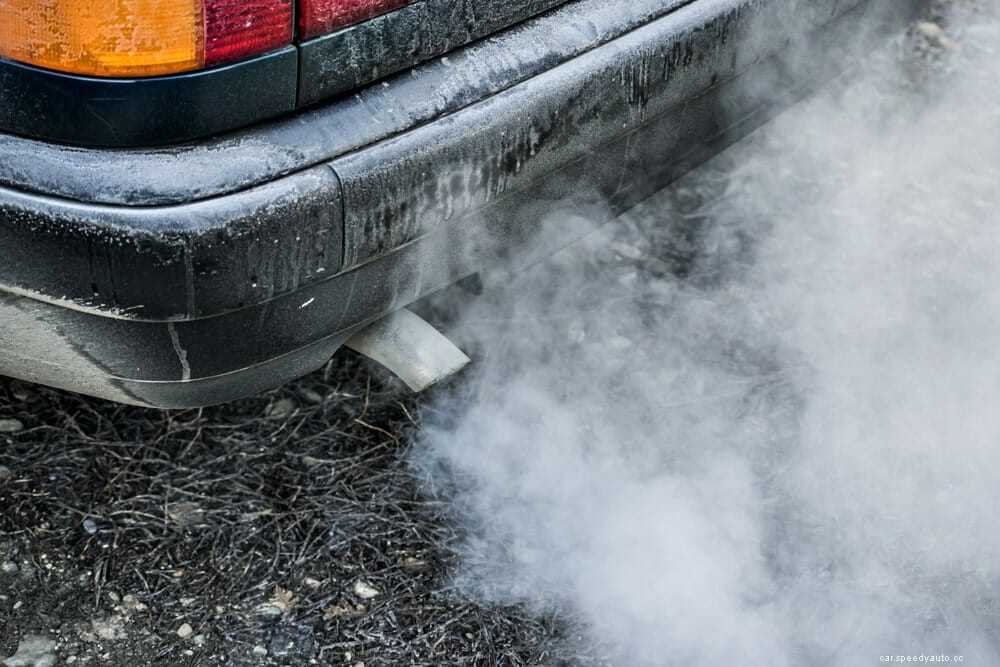
One danger is that it produces loud noise which can be harmful to both you and others around you if they aren’t wearing ear protection while standing nearby the exhaust pipe or have breathing problems such as asthma (more info below).
Another danger is exhaust smoke, which can contain harmful toxins and chemicals.
Another danger of revving a car engine is that it can cause damage to the vehicle. This includes everything from wearing down the components prematurely to actually breaking them. So be sure to only rev your engine if you’re confident you can handle the consequences!
Now that we know some of the dangers of revving a car engine, let’s go over how to do it safely. Here are a few tips:
Revving while driving is a bit more complicated than revving when stationary.
This is because you also have to make sure your car stays in its lane and doesn’t swerve around too much, as well as that there isn’t anyone behind you who might get hit by exhaust smoke or debris from under the hood if it gets loose during acceleration (more info below).
So before you try this method of revving a car engine, be sure to follow these tips:
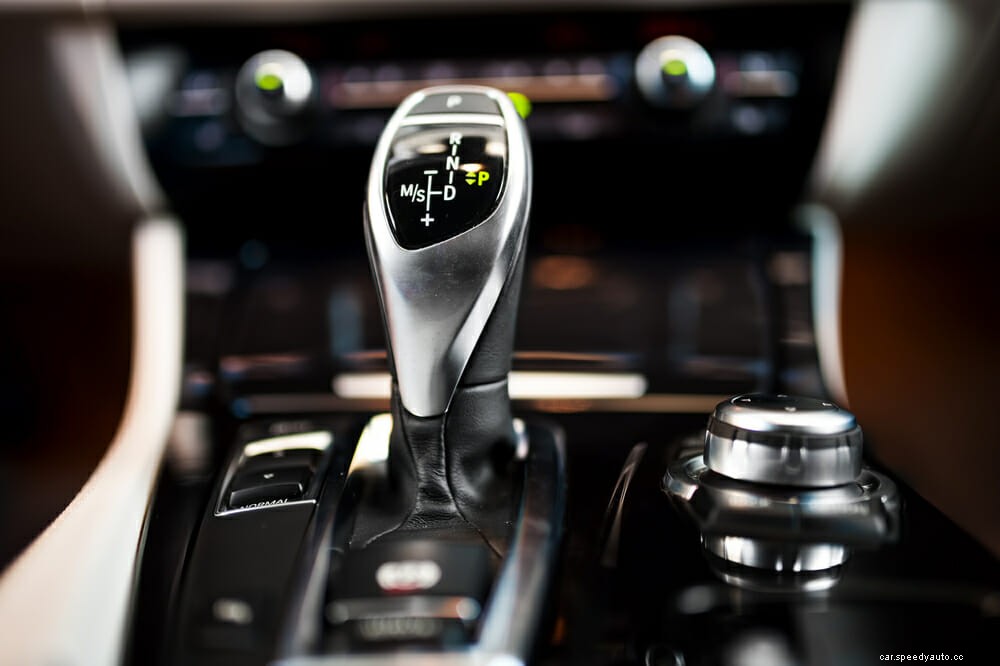
It’s not always easy to figure out how to rev your car engine safely with an automatic transmission, but here are some tips for doing so:
If you have a manual transmission, it’s important that you’re careful not to rev your car too much. You don’t want the engine RPMs getting out of control and potentially causing damage! Here are some tips for doing so:
There are several factors to consider when establishing healthy RPM for a gasoline car. The true answer can be found in the manual of the car, where it is stated what RPM should be used according to engine temperature, idle speed, and transmission type.
First off, there is no single RPM value that works for all cars. This number varies depending on many variables, such as engine size (liters or cubic inches), torque or HP output of the engine, and so on. Let us start by looking at some general guidelines:
A new gasoline car with an automatic transmission idles between 650-950 RPM. A new gasoline vehicle with a manual transmission idles between 850-1500 RPM. A new diesel vehicle with an automatic transmission can idle between 400-750 RPM.
At idle, the engine should turn at the lowest possible RPM that will still keep it running. If you are driving a manual transmission vehicle, this value will be higher than with an automatic one. With an automatic car, it is necessary to take into consideration the car’s computer system as well.
Do not race the engine while cruising on the highway just to achieve better gas mileage numbers. This will lead to serious mechanical problems in your vehicle down the line.
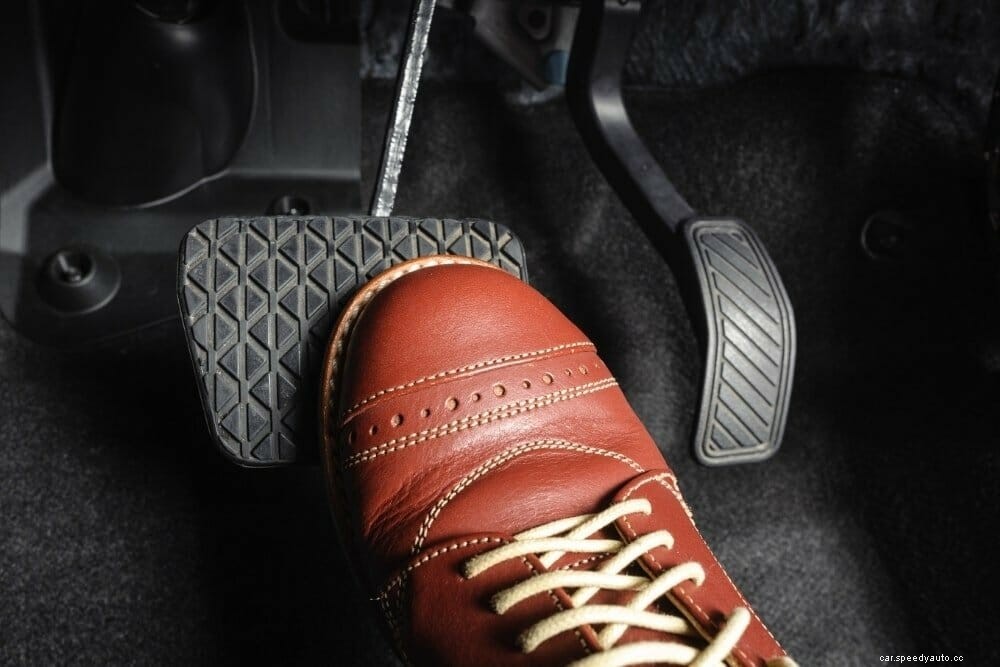
As a rule of thumb, if you have to step on the gas pedal more than 70% of its travel until there is enough thrust for acceleration, your RPM is too low. The most efficient speed for highway driving is around 2400 RPM (in a manual transmission).
Driving with the RPM above your car’s ideal number can also lead to serious problems. One of those is detonation, which means that the fuel in the engine is not burned completely and as such it leads to damage (even wear) of internal engine components.
Detonation is different from knocking or pinging. This issue occurs when there are irregular bursts of highly compressed air inside combustion chambers. This problem can be solved by changing the type of gasoline you use.
If you want to avoid detonation on any vehicle, do not use low octane gasoline. The higher its number, the better.
In a gasoline car, the fuel/air mixture is ignited by a spark plug. This ignition takes place at every engine cycle. With each explosion (power stroke), the crankshaft of the engine turns and that’s what powers your car.
Diesel cars, on the other hand, ignite their fuel using compression alone. There is no spark plug in diesel engines. When air is compressed sufficiently, it gets so hot that the fuel starts to burn by itself.
If your car starts to rev too high, it’s important to take action as soon as possible. One of the first things you should check is if everything is in order with your engine oil levels.
Low engine oil means that the parts inside the engine are not getting enough lubrication and this can cause serious damage.
If you’ve ruled out low oil levels, there might be another problem causing your car to over-rev. It could be a dirty air filter, bad spark plugs, or something else entirely. Get these checked out by a professional mechanic as soon as possible!
There are several ways to tell if your car’s idle speed is too low. One of the easiest ones is to check the engine coolant temperature gauge. If it reads higher than normal, this means that your engine is working harder than it should be in order to keep itself running at the correct RPM.
Another way to determine if your car’s idle speed needs adjusting is by listening to it. A car with a healthy idle will have a smooth, consistent sound. If you hear knocking and pinging noises, or if the engine seems like it’s struggling to stay running, then there might be a problem. See a mechanic as soon as possible!
There are several reasons why a car may rev higher than usual:
So now that we know how to safely rev a car engine, go out there and show off your driving skills (while staying within the law, of course)! Just be sure to take all of the necessary precautions beforehand so that everyone stays safe.
And as always, practice makes perfect when it comes to learning new things. So get out there and start revving those engines!
