
Aluminum parts have been widely used in vehicles for their lightweight and useful properties such as high thermal conductivity, strength, and overall machining behaviors.
However, a big downside to the use of aluminum is the visual appeal it loses as oxidization occurs during exposure to the environment around it.
Knowing the best ways to make your aluminum engine parts shine like new is a great way to prevent any long-term damage and get all the best benefits from this material.
In this article we are going to be looking at what causes oxidization in engine parts, the best and worst cleaners you can use on your vehicle, and some of the best step-by-step methods to remove oxidization.
Aluminum has been used for over a hundred years in vehicle manufacturing and was premiered in 1988 at the Berlin International Motor Show as a body for a sports car, then in 1901, it was first used for construction in engines.
Aluminum was slowly introduced over the next 60 years due to its high price point.
The first mass-produced vehicle to widely feature aluminum in its build was the Buick 215 in 1961 with an eight-cylinder V8 aluminum engine which led to the big realization of the benefits aluminum has when used in car manufacturing.
The lightweight benefits lead to aluminum-bodied cars and took off in the race-car production as it could reduce body weight by up to 239kg which also lead to highly improved fuel consumption.
Today aluminum is the second most used material in the auto industry, behind steel in the first position. With 1kg of aluminum replacing up to 2kg of cast iron or steel, it is easy to see why it has become such a popular option for increasing speeds, reducing weight, and improving fuel economy.
Luckily oxidization of your aluminum car parts does not cause any structural damages and is a purely cosmetic issue, but with it being a highly common use metal in everyday life, when it oxidizes in your vehicle you are going to want to remove it to get rid of the dull appearance.
Rust is corrosion that occurs in iron and steel oxidation, specifically when in contact with moisture and liquids.
Aluminum doesn’t contain any iron or steel, meaning it will not rust, however it can become anodized when a powdery white coating forms on the aluminum surface in an attempt to prevent corrosion.
Aluminum is prone to a process called pitting, where corrosion occurs on the aluminum causes small holes in the metal which is why it is important you clean and properly maintain the aluminum parts in your vehicle.
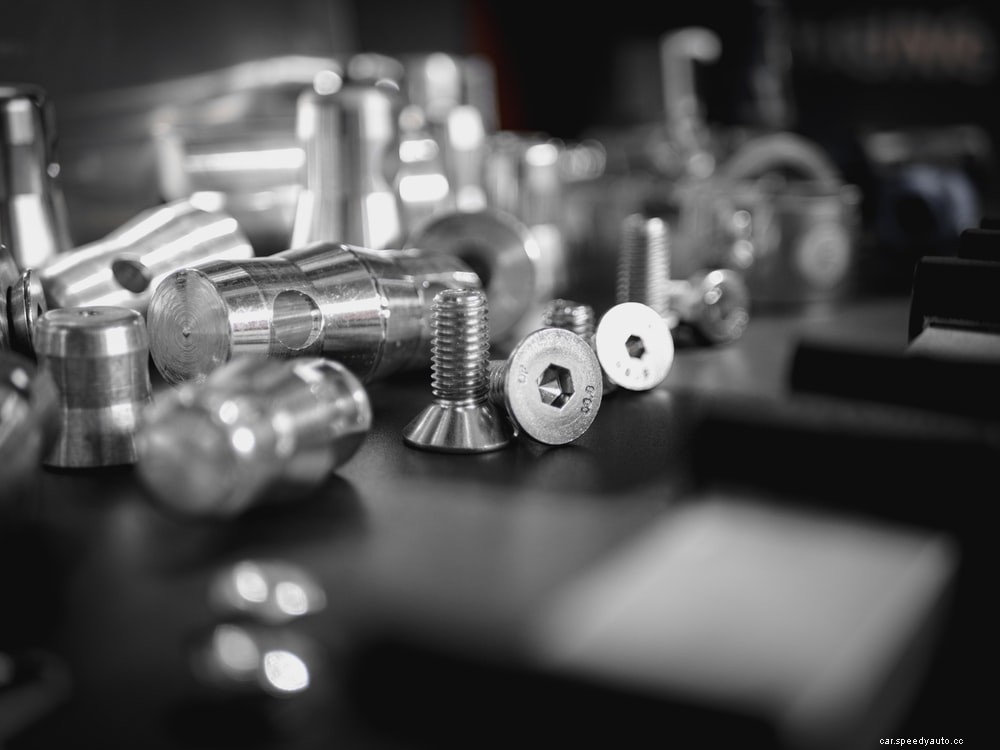
Although you can use high chemical cleaners to properly care for your aluminum when it isn’t badly oxidized, there are a few other methods you may want to try to help clean your aluminum car parts in order to healthily maintain the appearance and condition of your engine.
It is hugely important when cleaning your aluminum engine parts that you work safely in a well-ventilated area, with eye protection and gloves and you avoid any flames when working with solvents.
Using a soft wire brush and slow strokes can gradually remove any dirt and corrosion from aluminum if you wanted to try to remove as much as possible by hand.
You may think steel wool would work similarly but it can stick to the aluminum and form rust, totally ruining the finish of your aluminum engine parts over time so it’s best to avoid using steel wool.
You may notice black or darker marks on your aluminum parts, and you can prevent these from reoccurring in the oxidization stages by properly treating your parts and maintaining proper care. Getting into a proper cleaning routine can be key to preventing oxidation and taking care of any unwanted grime in your vehicle.
You should make sure any products you use are safe for use on aluminum specifically and not just iron or other metals as these won’t be specifically beneficial for aluminum parts.
Before starting these steps, you may want to use a strong water jet to remove dirt from your aluminum to make sure you are directly cleaning and treating your aluminum oxidization.
You will need:
After using a strong water jet to clean away any dirt from your parts, you can start by using natural cleaning methods such as vinegar to see if it will help before moving on to more industrial aluminum cleaners
Mix two teaspoons of vinegar with each quart of water and boil for 15 minutes before soaking your parts for a few minutes.
If you are using this method for a large area then you can soak a cloth in this mixture and scrub it across the surface to remove oxidation. Make sure you remove any vinegar residue when you finish these steps.
If you didn’t want to use vinegar then lemon juice and salt have the same effect. Simply rub a lemon slice dipped in salt over the oxidized area to clean
If these methods don’t give you the finish you desired then you can move on to trying a product designed to remove oxidation like the one below.
Aluminum has a high affinity to oxygen, so when exposed to air it will quickly develop thin, hard layers of aluminum oxide which is what makes aluminum corrosion-resistant.
Oxidized aluminum creates a dull gray or powdery white layer over corroded aluminum which differs from the flaky, red appearance of rust.
Applying a thin layer of WD40 on clean, dry alloy wheels can help prevent road salt damage.
Metals such as aluminum, stainless steel, and bronze are all prone to road salt corrosion but luckily this happens at a reasonably slow rate.
Oxidization can be a difficult surface to maintain when used in your vehicle’s parts, but the benefits do outweigh the negatives in this durable and lightweight material that has created a great step forward in the progress of vehicle manufacturing processes.
It is often thought that you only need to use harsh chemical cleaners to remove oxidation on aluminum, but hopefully, this article has shown you alternative methods to keeping your aluminum engine parts shiny and new for a lifetime.
