
Modifying the exhaust system has been a thing since the inception of hot rods, and possibly even the moonshine runners. Reshaping the stock exhaust might provide some performance gains, but it’s primarily done for sound improvement.
The aftermarket exhaust systems come in all shapes and sizes: header-back, axle-back, single exit, dual exit, same side exits, opposite side exits, etc. In this article, we’ll compare the two of the most popular types – the catback exhaust and the straight pipe exhaust.
The catback is objectively a better choice for an aftermarket exhaust even though it will provide less of a power boost. What catback brings is a more refined sound, and more importantly, keeps your car street legal.
The straight pipe generates a more primal sound and should generate more power than a catback, but it fails both the emissions test and noise limits, making it street illegal in all 50 states.
Even though you can draw a solid conclusion from this short explanation, there are still some redeeming qualities and applications for the straight pipe that are worth exploring. Let’s get straight into the full comparison and find out how to take advantage of either system!
The exhaust is a vital part of the powertrain system and performs several crucial roles: noise reduction, the channeling of the exhaust fumes, decrease in emissions, improved performance, and fuel consumption.
With every stroke, the internal-combustion engine generates toxic fumes as a side product of the fuel-air mix ignition.
The vast majority of vehicles have the engine compartment in the front, with the passenger cabin behind it. Without the exhaust manifold to channel the fumes towards the undercarriage and exhaust pipes to lead it towards the back, the air pressure would push the exhaust fumes into the passenger cabin.
As the exhaust fumes are extremely toxic, especially in their unfiltered foam, the health hazard would be severe. Keeping the passengers safe is one of the main reasons why exhaust systems are put in place.
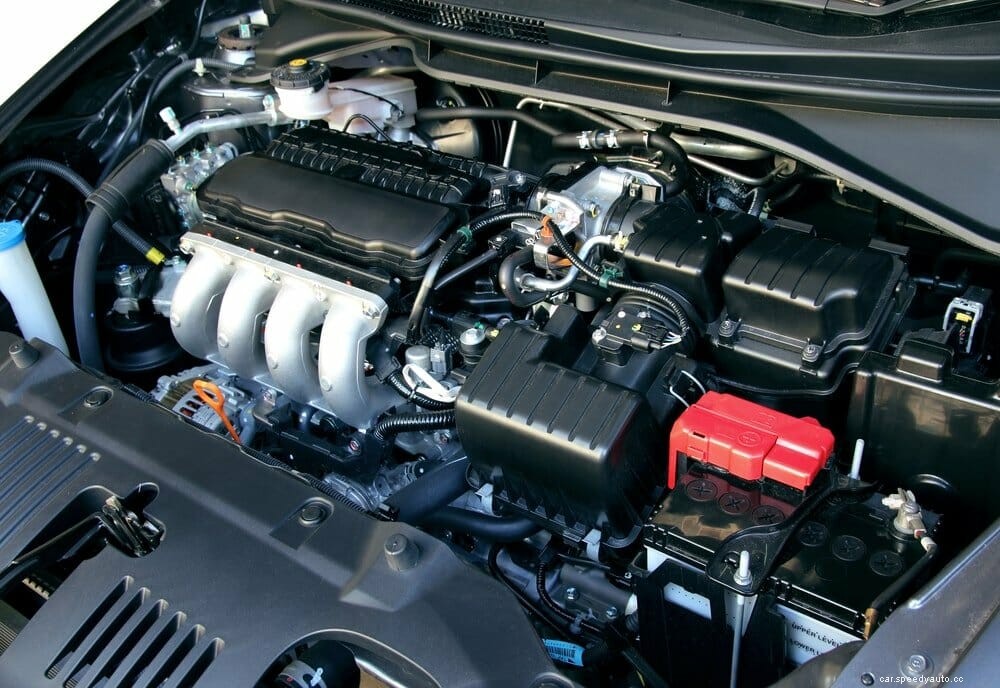
We all have different opinions on what engine sounds the best. The V8 has always been the favorite, but some of us really like the sound of a good inline-6.
However, the engine is a source of noise, while the exhaust system refines it into a likable sound. If you’ve ever heard of or driven a car with the exhaust manifold taken off, you will know what I’m talking about. The noise coming from the engine is so loud and unrefined, it sounds more like an industrial machine than an engine.
Like the pipe of a flute, the exhaust system will refine the noise, eliminate the droning through the resonator, and bring it down to comfortable levels through the muffler.
Bends, twists, and size of the pipe and muffler will have different effects on the sound, but it’s undoubtedly better than driving without an exhaust.
The by-product of the internal combustion engine is a large volume of highly toxic fumes. If the emissions were left unchecked, the air quality in more populated areas would drastically decrease, possibly even to hazardous levels.
The catalytic converter eliminates more than 90% of the unburned hydrocarbons and carbon monoxide gas by oxidizing them over the metal catalyst. The system has been mandatory since the ’90s and has without a doubt left a positive impact on the environment.
Most people view aftermarket exhausts as a way of gaining performance, but in reality, the stock exhaust makes the greatest difference, even if it’s heavy and filled with noise and emission-reducing parts.
Without an exhaust, the engine would expel gases straight into the engine compartment. We’ve talked about the problems this makes for the passengers, but you should know that it’s also a problem for the engine.
To generate the projected power, the engine needs oxygen-rich air that flows through the front air intake. However, if the engine bay is filled with carbon-heavy gases, the engine might draw some of them in, reducing the quality of the air-fuel mixture and leading to reduced performance.
As I was writing the previous point, I realized that heat is also a very important factor. The combustion generates a lot of heat that travels through the exhaust and is transferred away from the engine.
The engine bay is hot as it is, but without the expulsion of the exhaust fumes, the temperatures can go high enough to cause the engine to overheat as well as damage the other components.
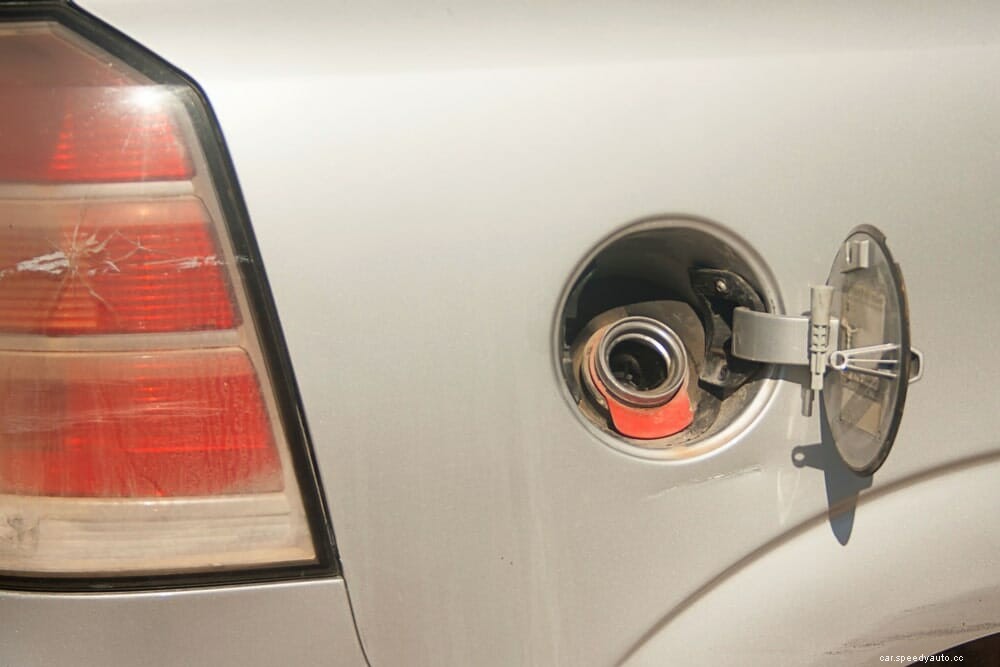
The exhaust system allows the engine to efficiently get rid of the exhaust fumes, which reduces heat and backpressure. The engine can “breathe” properly, leading to a proper air-fuel mixture and a reduction in fuel consumption.
The lambda, O2, or oxygen sensor is another part responsible for retaining optimal fuel efficiency and gas emissions. There are typically two O2 sensors per exhaust pipe – one before, and one after the catalytic converter, called bank 1 and bank 2 sensors.
The one behind the catalytic converter measures its effectiveness, while the first sensor measures the amount of unburnt fuel in the exhaust, and signals to the ECU to make the mixture leaner. When the O2 sensors fail, the car will run rich, increasing fuel consumption and negatively impacting the performance.
The catback exhaust is an aftermarket replacement that changes the system behind the catalytic converter – hence the name cat-back. It does not affect the catalytic converter in any way and instead changes the pipe curvature as well as the design of the muffler, resonator, and exhaust tip.
By modifying the parts after the catalytic converter, the catback exhaust manages to stay road legal while delivering better airflow and sound. In some states, only one sound-muffling device is required, giving you an option to delete the muffler or the resonator.
There are pros and cons to either modification and unless you’re going for a race-spec build, you’re better off keeping them both.
Straight pipe exhaust is exactly what the name says – a pipe that leads gases from the exhaust manifold to the back of the vehicle without any added elements. The name has more to do with the fact that the exhaust fumes are now flowing straight out of the back, rather than passing through a series of noise and emission regulators.
While the pipe can be straight, it’s commonly bent and curved to follow the original exhaust path as this doesn’t impact its effectiveness.
Speaking of effectiveness, the straight pipe exhaust should be the most effective way of maximizing performance, as it allows the fumes to travel unobstructed, but also reduces the overall weight of the exhaust.
The only problem with the straight pipe exhaust is that it’s both illegal and easily noticeable. The noise and smoke generated through the straight pipe is anything but subtle, and it will turn your vehicle into a traffic violation magnet.
We’ll discuss the legal issues regarding the straight pipe in the comparison section.
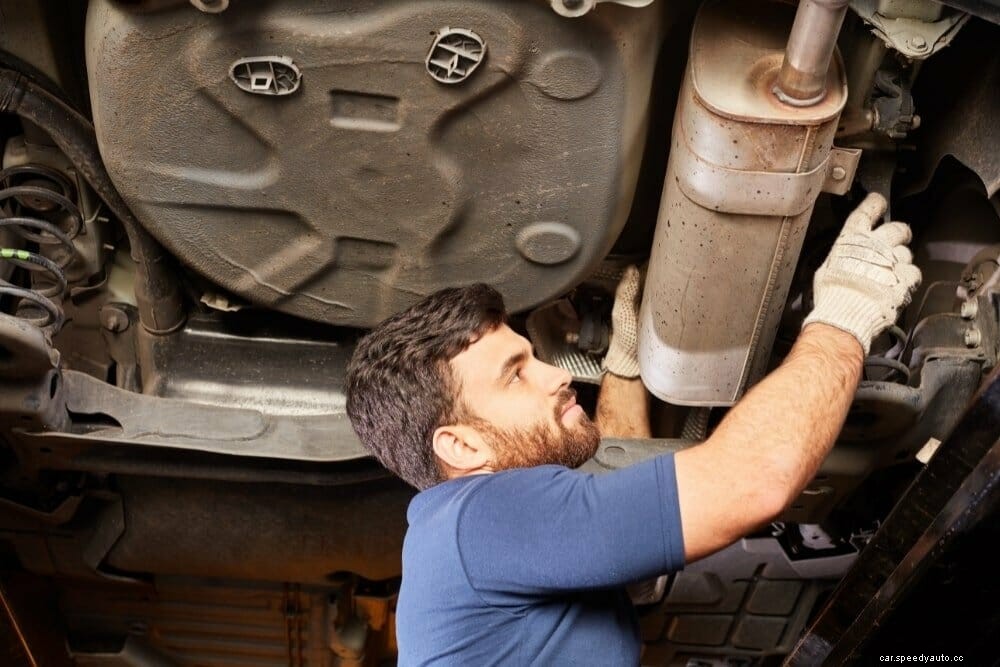
We’ve already made the informed decision that catback is a better system, but now we’ll go through several points to see the key differences, as there are some applications in which the straight pipe might be a better option.
Sound is one of the primary reasons why people opt for aftermarket exhausts, and the two options we’re considering deliver very different results.
Many people will tell you that the straight pipe exhaust sounds great and it brings out the raw power of the engine. However, many fail to mention its downsides, which are the droning noise, and excessive noise in general.
The droning noise is a side effect of deleting the resonator that is specifically designed to neutralize frequencies that occur at a certain RPM, which is almost always the optimal cruising RPM.
When you first rev up a straight-piped car, you’ll be very impressed with the sound it delivers, but that may not be a lasting feeling if you use the car as a daily driver. The straight pipe delivers a lot louder sound than a catback, which can be great for car meets and showing off, but it’s going to annoy and wear you out when you’re driving for a long period of time.
The catback is just one type of exhaust, but like a tuned instrument, it can generate different sounds. By combining the right muffler, resonator with the pipe shape and diameter, you can get a more subtle sound or make the engine roar.
Everyone has different tastes, but I strongly believe that catback gives better sound quality across the board.
Winner: Catback
Next to the sound, looks are the most noticeable and significant factor in choosing between catback and straight pipe exhaust.
The straight pipe exhaust is more of a DIY modification than something you can buy from a renowned parts manufacturer. As such, the quality varies, with most drivers opting for a cheap and durable steel pipe.
That isn’t to say that you can’t get a good looking straight pipe – this DNA Motoring straight pipe kit looks amazing and will be durable if you pick the stainless steel option.
On the other hand, catback exhausts have a wider range of designs, materials, and finishes. It’s going to be a lot easier to find a catback that matches and accentuates the looks of your vehicle, but it would be unfair to say that a straight pipe exhaust cannot achieve the same effect with slightly more effort.
Winner: Catback
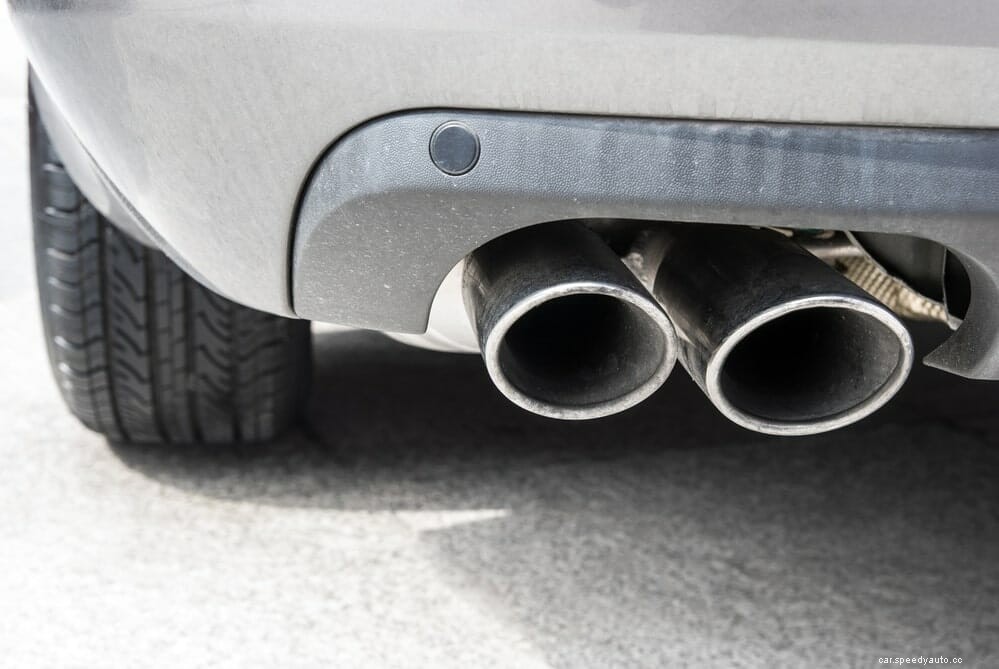
Just like with the design, the choice of material favors catback over the straight pipe. Most commercial straight pipes are made out of mild steel or stainless steel, so if you’d like to use a different material it will have to be custom-made.
The mild steel exhaust is the weakest and most prone to rust, which can be somewhat negated if you pick an aluminized steel exhaust. The stainless steel fares better and comes in T409 and T304 variants. Titanium is by far the best choice, as it reduces the weight nearly in half, but it’s also significantly more expensive.
If we compare a catback and straight pipe exhaust the straight pipe will win every time regardless of materials. The catback still has the rather heavy catalytic converter, at least a muffler or a resonator. The overall length of the catback is also greater than that of the straight pipe.
Winner: Straight Pipe
Straight piping a car will make a difference in performance when compared to the catback. However, the difference in performance between catback and stock is greater than the difference between catback and straight pipe.
How much of a performance boost you’ll get varies between vehicles. You can expect about 2-5% from the catback, and 3-7% from the straight pipe. Where straight pipe clearly provides an advantage is in weight shedding. By getting rid of the cat, muffler, and resonator, the overall weight of the vehicle is reduced, resulting in a better weight-to-power ratio and greater performance.
When it comes to performance mods, the only way to a significant power boost is through a lot of small (and expensive) improvements that add up. Changing the exhaust system is going to make a difference, but if it’s the only change you are making to a stock vehicle, then consider it to be more of a looks & sound improvement.
Winner: Straight Pipe
In terms of costs, there’s no debate – straight piping is a far cheaper option. Even when we take into account the cost of bending the pipe into shape, the straight pipe will cost less than a catback.
A high-quality catback exhaust like Flowmaster’s American Thunder will set you back $450, but you should keep in mind that it’s already shaped and includes a muffler and resonator combined into one.
Winner: Straight Pipe

The installation process for the straight pipe and catback exhaust is largely the same, but the catback will be slightly easier to mount.
The catback is shaped specifically for your vehicle and comes with all the hangers and bolts to connect to the original mounting points. Because you’re getting rid of the catalytic converter, you can pull off the exhaust behind it and simply connect the new catback in its place.
The straight pipe generally requires some welding to connect with the exhaust where the catalytic converter was cut. Additionally, you’ll have to weld on the mounting brackets and attach the pipe in such a way that it doesn’t rattle or fall off. All things considered, you’ll have an easier time mounting a catback than a straight pipe.
Winner: Catback
The prior points explain the differences between the two types of exhaust, but now we’ve come to the deciding factor, which is legality.
Straight pipe exhaust is illegal in all 50-states. It violates the emissions and noise regulations and is without a doubt going to get you a fine and make your vehicle unusable until you pass a mandatory inspection. The cat delete is certainly going to deliver a performance boost, but it’s a very serious violation and I don’t recommend it.
Not all catback exhausts are legal either. There are certain states where the law is worded in such a way that you can get away with deleting either the muffler or the resonator, as only one ‘sound muffling device’ is necessary. However, the noise level regulations still apply, so you shouldn’t go overboard with making your car louder.
The benefits of the straight pipe are clear, but it’s not worth the risk of getting fined. Because of that, the majority of people opt for catback exhausts in spite of some of their shortcomings.
When you’re investing a few hundred or even a thousand dollars into a product, you should get at least some guarantee it’s going to last. The warranty policies for both straight pipe and catback exhausts exist, but as you’re more likely to make rather than buy a straight pipe, you won’t get any guarantee.
In general, exhaust parts warranty is divided into two classes – finish, and materials. This primarily has to do with rust, as the finish might wear off and corrode, but if the exhaust doesn’t rust through, the companies will not replace it.
For those looking to get both a good-looking and durable exhaust, go with T304 steel. Even though the finish will have a 1-year warranty, the T304 steel is highly resilient to rust and corrosion, so it will retain its looks for longer.
As far as the car warranty goes, you will have to check with the dealership. Straight pipe is guaranteed to void the warranty, but you might get away with installing a catback exhaust.
Winner: Catback
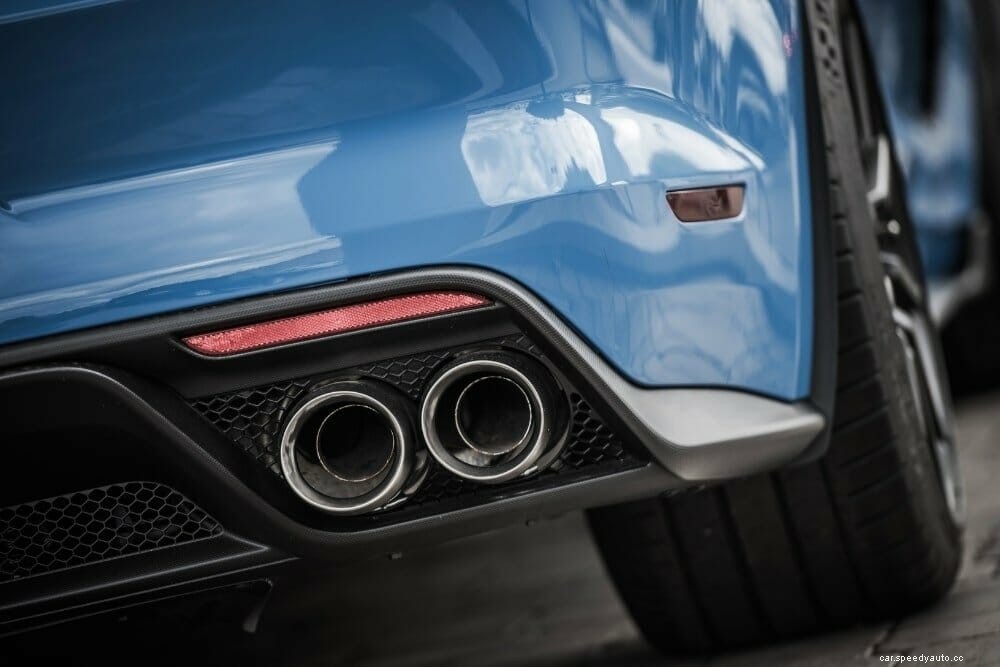
By straight piping the exhaust, you’re removing the catalytic converter, resonator, muffler, and even the custom exhaust tip. When done right and without issues regarding the O2 sensor, the straight pipe exhaust can bring up to a 7% performance increase over stock, or more if the engine is remapped to make use of better exhaust flow.
It also significantly increases emission output as well as the level of noise coming out the back of the vehicle.
Some vehicles do not work well with straight pipes, and it generally causes some issues in the low-RPM range where the exhaust gases are leaving the manifold too quickly and not allowing the pressure to build up. In most cases, the straight pipe won’t hurt the engine, but it’s good to be cautious.
The straight pipe alone might not make much of a difference – a 2-3% increase at most. However, even a slight remap of the engine’s timing and turbo boost can make a significant difference, as now there’s no catalytic converter to create higher pressure.
Replacing the muffler with a straight pipe will increase the volume of the exhaust, but it may be an illegal modification. Aftermarket high-performance mufflers provide a better alternative. They may not increase the volume to the same level as a straight pipe, but they can improve the sound and keep your vehicle road-legal.
The only reason for the straight pipe to have an impact on fuel economy is if you’ve removed the O2 (lambda) sensor located before the catalytic converter. It’s a crucial component in optimizing the air-fuel mixture and if it’s not present, you’ll see a severe loss of performance and an increase in fuel consumption as the engine runs rich.
The catalytic converter is the most responsible part for mitigating backfire, but with a straight pipe, the exhaust fumes and unburned fuel will quickly flow towards the exhaust tip and potentially ignite. The backfire also has to do with engine timing, but a straight pipe will make it significantly easier to cause a backfire.
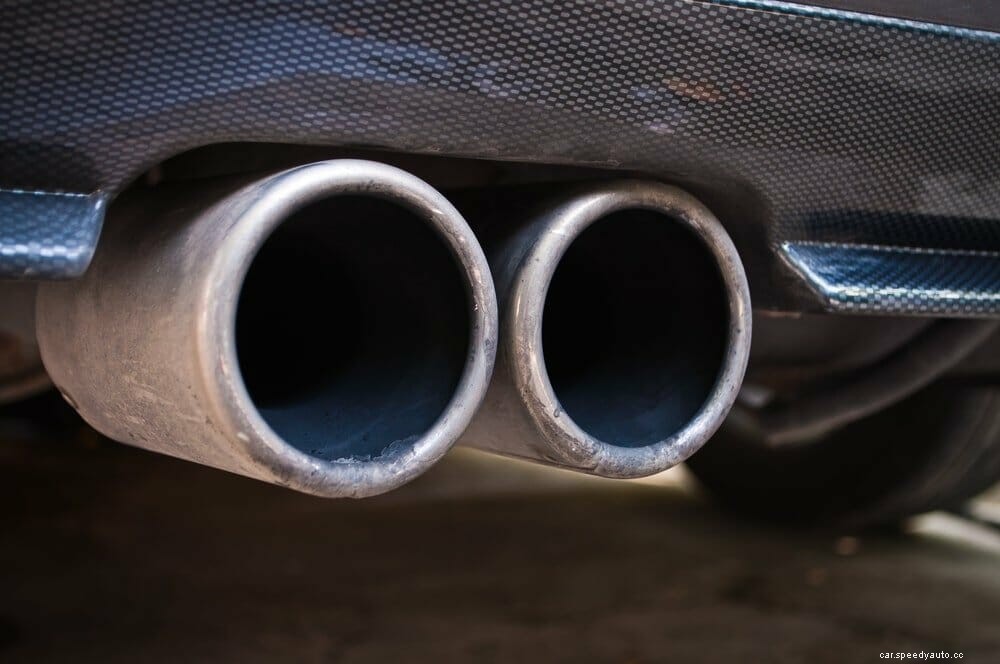
No high-performance catback system can compete with the straight pipe in terms of loudness unless it uses a near-useless resonator and muffler, at which point it’s just a more expensive straight pipe.
What the Flowmaster catback exhaust can deliver is a more refined, yet still aggressive sound and excellent durability thanks to high-quality steel.
The distinction between a catback and the straight pipe is clear – the catback starts at the back of the cat (catalytic converter) and may or may not have muffling devices installed, while a straight pipe always gets rid of the muffling devices but also the catalytic converter.
The first and most important reason why you shouldn’t straight pipe your car is legality. Straight piping is prohibited by both pollution and noise regulations. The mod can even affect the performance in the low RPM range, but that’s not as significant as the previous issue.
The catback exhaust is a clear winner as it not only provides the looks and sound, but also a performance increase. The question of legality is very important, and unless you’re going off-road, the straight pipe cannot be used, as even some race tracks have a noise limit.
There are a ton of good catback options on the market: Borla, Roush, DNA Motoring, Flowmaster, etc. Finding an ideal catback for your vehicle is not going to be difficult, as all premium companies provide full customer support.
