
If you’re like most drivers, you probably don’t think about your fuel injectors until they start causing problems. And by then, it’s often too late – the damage has been done, and you need to take your car in for a costly repair.
You can put fuel injector cleaner in a full tank, but it’s recommended to put it in an almost empty tank. Too much fuel can thin out the effect, lowering the cleaning performance of the injectors.
Be sure to follow the manufacturer’s instructions and drive after adding the cleaner for at least 20 minutes, to receive the full effect.
But what if there was something you could do to help prevent that damage? Something as simple as adding fuel injector cleaner to your tank on a regular basis? In this article, we’ll discuss how fuel injector cleaners work and show you how to use them to keep your car running smoothly properly.
Fuel injectors are a critical part of the engine. They are responsible for delivering gasoline or diesel fuel to the engine cylinders. Fuel injectors work by spraying a fine mist of fuel into the air intake manifold. This mist is then sucked into the engine, where it is burned.
There are several factors that affect how well your fuel injectors work. One of the most important is the quality of the fuel itself. If you’re using low-quality fuel, your injectors will not work as well as they should. You may also experience problems with fouling, which can cause your engine to run poorly.
Another important factor is the age of your fuel injectors. Over time, fuel injectors can become dirty and clogged. This can cause a number of problems, including poor engine performance and increased fuel consumption.
If you’re experiencing problems with your fuel injectors, it’s important to have them serviced or replaced. Poorly functioning injectors can lead to a variety of problems, including decreased engine performance, increased emissions, and even engine damage.
If you’re not sure whether your fuel injectors need servicing or replacement, contact a trusted mechanic for advice. They will be able to inspect your injectors and determine if they need to be replaced or repaired.
Now that you know what fuel injectors are, let’s take a closer look at how they work. We’ll also discuss the importance of fuel injector cleaning and maintenance.
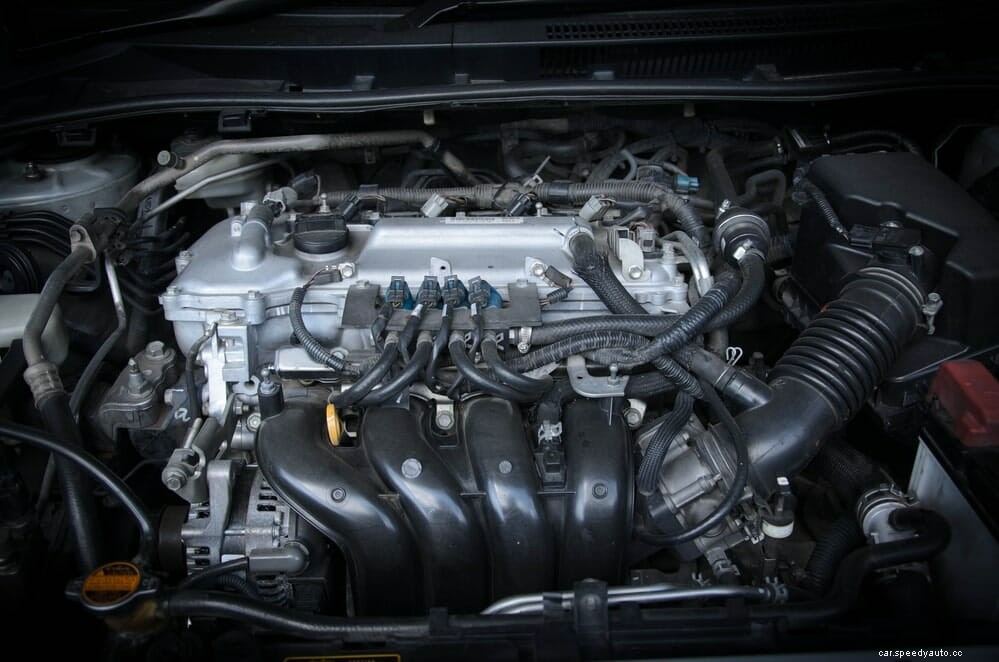
Fuel injectors work by spraying a fine mist of fuel into the air intake manifold. This mist is then sucked into the engine where it is burned.
The amount of fuel that is injected into the engine is controlled by the engine computer. The computer tells the injectors how much fuel to spray based on a variety of factors, including engine speed, load, and temperature.
Over time, fuel injectors can become dirty and clogged. This can cause a number of problems, including poor engine performance and increased fuel consumption.
One way to help keep your injectors clean is to add a fuel injector cleaner to your tank on a regular basis. Fuel injector cleaners work by cleaning the internal surfaces of the injectors, removing any built-up deposits or gunk. This can help improve engine performance and reduce fuel consumption.
The best way to tell if your fuel injector is dirty is by checking the engine light. If it’s on, there’s a good chance that your fuel injectors are dirty and need to be cleaned.
You can also check the air filter for dirt or debris. If it’s excessively dirty, it’s a good indication that your fuel injectors are dirty as well.
If you’re experiencing any of the following symptoms, your injectors may be clogged and in need of cleaning:
If you notice any of these symptoms, it’s important to have your injectors serviced as soon as possible. Ignoring the problem will only make it worse and can lead to more serious problems, such as engine damage.
Cleaning fuel injectors is a relatively simple process. There are a variety of commercial cleaners available, or you can make your own cleaner using a mixture of water and vinegar. Be highly recommend using a cleaning solution, as they’re not expensive, and do the job far better.
To clean your injectors, simply buy a professional cleaner and put it in your reservoir. If you’re handy, you can also remove the injectors and put them in the cleaner, but that’s a longer and more difficult process (which won’t grant you much better results).
It’s important to note that you should only attempt to clean your injectors if you’re experienced with working on cars. If you’re not sure how to remove or install your injectors, contact a professional mechanic for assistance.
Yes, you can put a fuel injector cleaner in a full tank but there won’t be much effect on the cleaning process. It is recommended that you use fuel injector cleaners in an almost empty tank so that the fuel doesn’t thin the cleaner.
Follow the manufacturer’s instructions on how much to use and be sure to add it to a full tank of gasoline.
Drive your car for at least 20 minutes to allow the cleaner to circulate through the engine. Adding fuel injector cleaner to your tank on a regular basis can help improve engine performance and reduce fuel consumption.
If you’re adding fuel injector cleaner to the air intake manifold, follow the manufacturer’s instructions on how much to use. Add it directly to the air intake pipe before starting your engine.
Fuel injector cleaners are a great way to help keep your engine running smoothly. By adding a cleaner to your tank on a regular basis, you can help improve engine performance and reduce fuel consumption.
The cleaner should be put in the tank before the gas. If you add it to the intake manifold, it should be added directly to the air intake pipe before starting your engine.
Be sure to read and follow the manufacturer’s instructions on how much cleaner to use. Adding too much can actually cause damage to your engine.
Regular use of a fuel injector cleaner can help improve engine performance and reduce fuel consumption. Contact a trusted mechanic for advice if you’re experiencing problems with your fuel injectors.
Yes, you can add a fuel injector cleaner to a half-filled tank, but it’s not recommended. Also, it’s good to add the cleaner first, then the fuel.
In addition to adding a fuel injector cleaner to your tank, there are a few other ways you can use them.
You can pour the cleaner into the throttle body or intake manifold. This will help clean the inside of the engine and improve performance.
You can also use a fuel injector cleaner as part of a tune-up. This involves disconnecting the negative battery cable, removing the air filter, and spraying the cleaner into the carburetor or throttle body. Be sure to follow the manufacturer’s instructions when doing this.
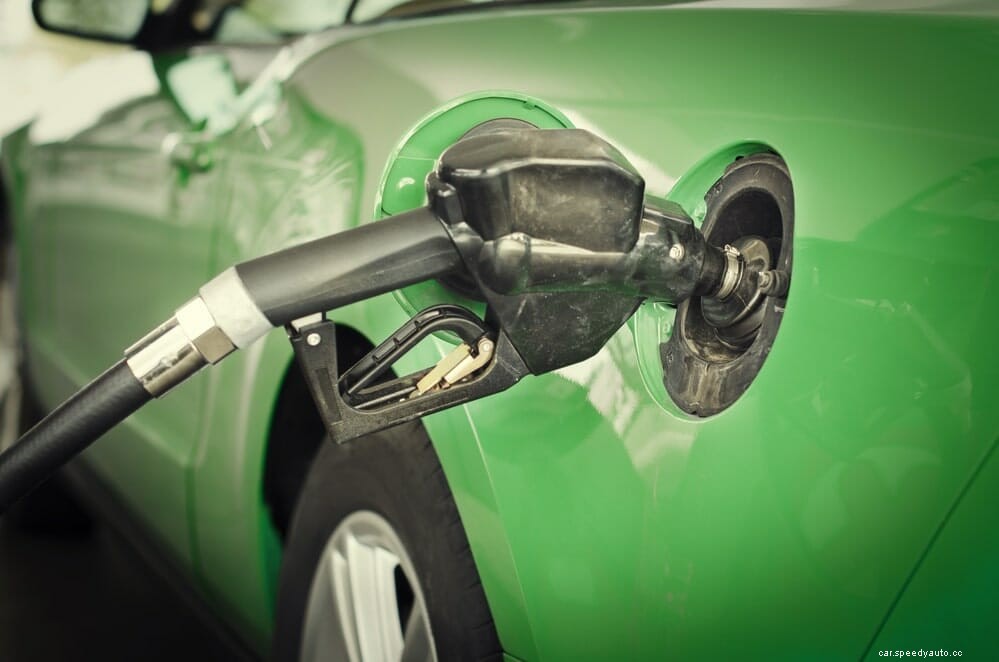
You don’t need to use cleaners every time you fill up your car. However, it’s a good idea to use them on a regular basis, especially if you notice any of the symptoms mentioned earlier.
If you have any questions about using fuel injector cleaners, be sure to contact a trusted mechanic for advice. They can help you troubleshoot the problem and find the best solution for your situation.
You should clean your injectors every time you do a tune-up. This involves disconnecting the negative battery cable, removing the air filter, and spraying the cleaner into the carburetor or throttle body. Follow the manufacturer’s instructions when doing this.
If you’re not comfortable doing this yourself, contact a professional mechanic for assistance. They can help you clean your injectors in a safe and effective manner.
No, you should never add a fuel injector cleaner to your car if it’s running. You should only add it to an almost empty tank of gasoline or directly to the air intake pipe before starting your engine.
Be sure to read and follow the manufacturer’s instructions on how much cleaner to use. Adding too much can actually cause damage to your engine.
Fuel injectors should be replaced if they’re not working properly or if they’re clogged. Symptoms of a clogged injector include poor performance, hesitation when accelerating, and black smoke from the exhaust pipe.
If you’re experiencing any of these problems, contact a trusted mechanic for advice. They can help you replace your fuel injectors in a safe and effective manner.
Yes, bad fuel injectors can damage your car. If they’re not working properly, they can cause a variety of problems, including poor performance, hesitation when accelerating, and black smoke from the exhaust pipe.
The cost of replacing fuel injectors varies depending on the make and model of your car. However, it usually ranges from $200 to $400 per engine.
If you’re experiencing problems with your fuel injectors, contact a trusted mechanic for advice. They can help you troubleshoot the problem and find the best solution for your situation.
You should replace your fuel injectors every 30,000 to 50,000 miles. However, if you notice any of the symptoms mentioned earlier, it’s a good idea to contact a mechanic for advice.
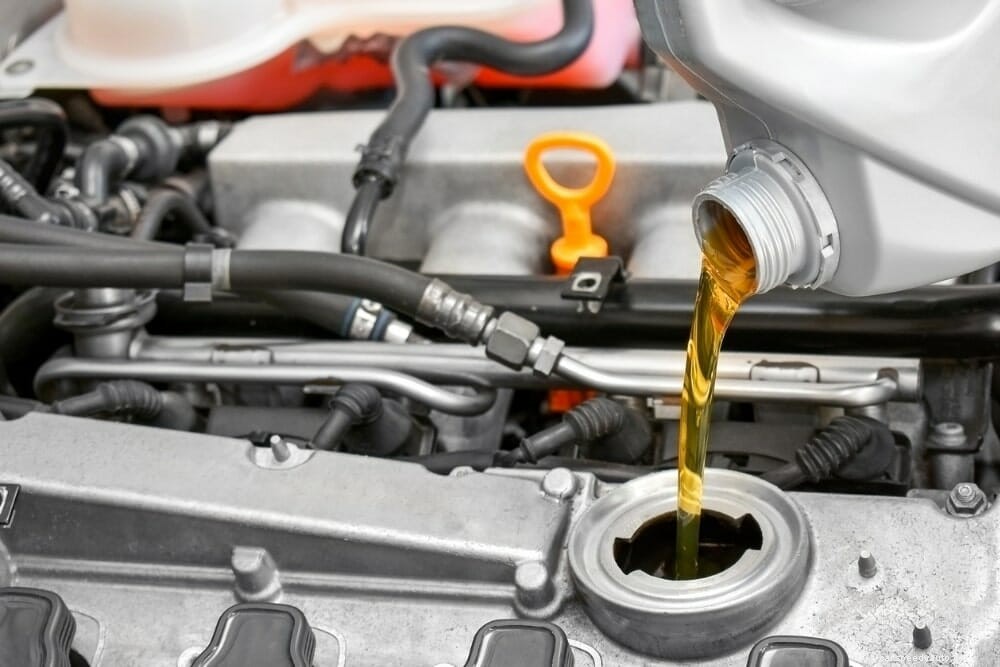
Follow the manufacturer’s instructions on how much to use and be sure to add it to a full tank of gasoline. Adding too much can actually cause damage to your engine.
Contact a trusted mechanic for advice if you’re experiencing problems with your fuel injectors. They can help you troubleshoot the problem and find the best solution for your situation.
In addition to adding a fuel injector cleaner to your tank, there are a few other ways you can use them. You can pour the cleaner into the throttle body or intake manifold. This will help clean the inside of the engine and improve performance. You can also use a fuel injector cleaner as part of a tune-up
This involves disconnecting the negative battery cable, removing the air filter, and spraying the cleaner into the carburetor or throttle body. Be sure to follow the manufacturer’s instructions when doing this.
Adding too much cleaner can actually cause damage to your engine. Follow the manufacturer’s instructions on how much to use and be sure to add it to a full tank of gasoline.
There are a few things you can do to help avoid fuel injector clogging. One of the most important is to use fuel that has been filtered and cleaned. You should also make sure your car is properly tuned so that it doesn’t produce too much carbon monoxide or unburnt hydrocarbons.
Additionally, you should drive smoothly and avoid hard acceleration and braking. If you follow these tips, you can help keep your fuel injectors clean and functioning properly.
Bad fuel can cause problems with your car’s fuel injectors. Be sure to use fuel that has been filtered and cleaned, and make sure your car is properly tuned. Additionally, drive smoothly and avoid hard acceleration and braking.
If you follow these tips, you can help keep your fuel injectors clean and functioning properly.
Fuel injector cleaners are a great way to help keep your engine running smoothly. By adding a cleaner to your tank on a regular basis, you can help improve engine performance and reduce fuel consumption.
Be sure to follow the manufacturer’s instructions when using cleaners and contact a trusted mechanic for advice if you’re experiencing problems with your fuel injectors. Thanks for reading!
