
If you’re the owner of a diesel truck, you’ve probably noticed that your truck regens quite often. This can be frustrating, especially if you don’t know why it’s happening.
The most common reason your truck regenerates is a clogged DPF filter which becomes clogged because of too much soot. When the filter becomes clogged, the ECU will activate regeneration to clean it up.
You can also initiate regeneration with an auto tool, or clean it yourself using special additives or cleaners.
In this article, we’ll discuss exhaust regeneration and why it occurs. We’ll also provide some tips to help reduce the number of times your truck needs to regenerate.
Exhaust regeneration is a process that occurs in diesel trucks when the exhaust sensors detect soot in the exhaust stream. The engine control unit (ECU) then takes action to clean up the emissions by burning off the soot.
This process can happen automatically or it can be initiated manually by the driver. Automatic regeneration typically happens during long highway drives, while manual regeneration can be done with the touch of a button.
Regeneration is important because it helps to keep the truck’s emissions in check. Without regeneration, the soot would eventually build up and clog the DPF filter. This would cause the engine to run less efficiently and produce more emissions.
The frequency of regeneration will vary depending on how often you use your truck and what kind of driving you do. If you do a lot of stop-and-go driving or short trips, your truck will regenerate more often than if you do mostly highway driving.
You can usually expect your truck to regenerate about once every 500 miles or so, but it could be more or less frequent than that.
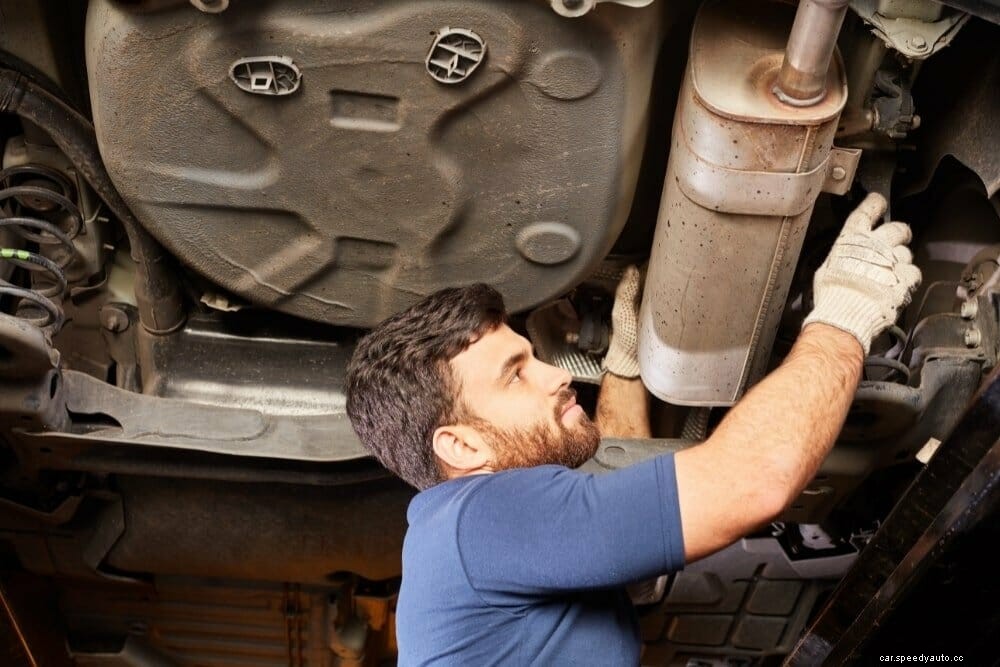
The most common reason for regeneration is a clogged DPF filter. The ECU will activate regeneration when it detects that the filter is becoming clogged with soot.
Other factors that can cause regeneration to happen include:
Diesel particulate filters, or DPF filters, are an important part of the exhaust regeneration process. They help to trap soot and other emissions before they can escape into the atmosphere.
The DPF filter is a ceramic filter that is located in the exhaust system. It becomes clogged over time as it collects soot. When the filter becomes clogged, the ECU will activate regeneration to clean it up.
There are two types of regeneration – passive and active. Passive regeneration happens automatically when the truck is driven at highway speeds for a certain period of time. The heat from the engine causes the trapped soot to break down and burn off.
Active regeneration is initiated manually by the driver. It can be done by pressing a button on the dashboard or by using a command from the truck’s computer.
Active regeneration is more aggressive than passive regeneration and it can cause the truck to run hotter. For this reason, it should only be used when the DPF filter is very clogged.
The benefits of exhaust regeneration are twofold. First, it helps to keep emissions from entering the atmosphere. This is important for both environmental and public health reasons.
Second, exhaust regeneration keeps the DPF filter clean. A clean DPF filter helps to improve engine performance and fuel economy. It also reduces the amount of soot that is emitted from the exhaust pipe.
Exhaust regeneration is a necessary process that helps to keep diesel trucks running clean and emissions-free. By understanding what it is and how it works, you can better appreciate the benefits it provides.
Benefits of regeneration also include:
There are a few reasons why your truck might regenerate more often than you’d like. One reason is because of how your driving habits affect the amount of soot that accumulates in the exhaust stream.
If you’re experiencing a lot of exhaust regeneration, there may be something wrong with your truck. There are several things that can cause the truck to regenerate more often than normal:
If you’re someone who drives mainly in stop-and-go traffic or if you do a lot of short-distance trips, you’ll likely see more regeneration than someone who drives mostly on the highway.
Another reason regeneration might occur more often is due to the type of fuel you’re using. If you’re using lower quality fuel, it can cause your engine to run less efficiently and produce more soot.
Finally, if your truck is equipped with a DPF filter, that can also contribute to more frequent regeneration. The DPF filter captures soot in the exhaust stream and eventually needs to be cleaned out through regeneration.
If you suspect that one of these problems is causing your truck to regenerate too often, have it checked out by a mechanic. It’s important to get the problem fixed so that your truck runs correctly and doesn’t damage its emissions system.
There are a few things you can do to reduce the number of times your truck regenerates. One way is to make sure you’re using high-quality fuel. This will help your engine run more efficiently and produce less soot. This should be your primary concern as bad fuel can damage most of your engine parts and cause extensive damage.
The second thing you should do is regular maintenance. This means changing your air and fuel filters on a regular basis. It’s also important to have your truck’s exhaust system inspected regularly to make sure there aren’t any clogs or damage.
If you do a lot of short-distance driving, try to combine trips so that you can reduce the amount of time your engine is idling. Idling produces a lot of soot and can cause your truck to regenerate more often.
Another way to reduce regeneration is to make sure you’re driving mostly on the highway. The long distances and higher speeds will help burn off the soot in the exhaust stream.
Here are some additional tips to help reduce the number of times your truck needs to regenerate:
These tips will not prevent regeneration from happening altogether, but they can help reduce the frequency. If you’re still having problems with excessive regenerations, it may be time for a tune-up or even a new DPF filter.
By following these tips, you can help reduce the number of times your truck regenerates and keep it running smoothly. If you have any concerns about regeneration or your truck’s emissions system, be sure to talk to a mechanic.
They will be able to diagnose the problem and advise you on the best course of action.

There’s a lot of debate about whether or not you can clean your DPF filter yourself. Some people say it’s possible, while others claim it’s not worth the hassle.
If you’re thinking about cleaning your DPF filter, be sure to do your research first. There are a lot of different methods out there, and some of them can be risky or harmful to your truck.
The best way to clean a DPF filter is by using an automotive diagnostic tool. This will allow you to safely remove the filter from your truck and clean it without causing any damage. If you’re not comfortable doing this yourself, you can always take it to a mechanic for safe disposal.
The most common way to clean a DPF filter is by using an additive called “DEF” or Diesel Exhaust Fluid. This additive helps to break down the soot and ash that accumulates in the filter. You can buy DEF at most auto stores or online.
Another way to clean a DPF filter is by using a special cleaning tool called a “DPF Cleaner”. This tool is inserted into the exhaust pipe and cleans the filter from the inside. Same as the diesel exhaust fluid, you can buy it at most stores or online.
If you’re not comfortable cleaning your own DPF filter, or if it’s too damaged to clean, take it to a mechanic. They will be able to safely remove and dispose of the filter for you.
It’s important to keep your truck’s emissions system in good working order so that it runs smoothly and doesn’t cause any damage. By following these tips, you can help reduce the number of times your truck regenerates and keep it running like new.
If you have any questions or concerns, don’t hesitate to talk to a mechanic. They will be able to help diagnose the problem and advise you on the best course of action.
No, gasoline trucks do not regenerate. The process of regeneration is specific to diesel engines and does not work with other types of fuel.
It depends on your truck’s emissions system and the type of regeneration it uses. Some systems allow you to disable regeneration, while others do not. If you’re unsure if your truck has this option, consult a mechanic.

Short answer: Yes, you can.
Long answer: Yes you can, but you really shouldn’t drive without a DPF filter. The DPF filter is an important part of your truck’s emissions system and helps to reduce pollution. Driving without a filter can damage your engine and cause your truck to emit more harmful pollutants into the air.
If you don’t regenerate your truck when it’s supposed to, it can eventually lead to engine damage. The soot will build up in the exhaust system and eventually clog the filters or pipes. This can restrict airflow and cause the engine to overheat.
If left unregenerated for too long, your truck could eventually break down completely.
The best way to remove a DPF filter is by using an automotive diagnostic tool. This will allow you to safely remove the filter from your truck and clean it without causing any damage.
After you disable it, you have to open the exhaust and use a chisel to remove the DPF Filter. Bash it out as much as you can. The filter is usually located near the muffler. If you’re not comfortable doing this yourself, you can always take it to a mechanic for safe disposal.
You should only remove the DPF filter if you’re planning on replacing it with a new one. Otherwise, it’s best to leave it in place and just clean it regularly. Removing the filter can cause engine damage and decreased fuel economy.
It’s also illegal in some states to drive without a DPF filter, so be sure to check your local laws before removing it.
On average, a new DPF filter will cost between $600 and $2000. The price will vary depending on the make and model of your truck.
If you’re having trouble affording a new filter, there are a few options available to you. You can check with your local dealership to see if they offer financing or lease options.
You can also look into aftermarket filters which are typically less expensive than OEM filters. Just be sure to do your research before purchase to make sure you’re getting a quality product.
Most DPF filters should last the lifetime of the vehicle, but this will vary depending on how often you use your truck how well you maintain it. If you’re not sure when your filter needs to be replaced, consult your truck’s owner’s manual or talk to a mechanic.
They will be able to give you an estimate on how often the filter should be replaced and what signs to look for if it needs to be replaced sooner.
So what is regeneration in a nutshell? Regeneration is the process of cleaning up diesel truck exhaust by burning off the soot. This can happen automatically or manually, depending on the type of regeneration system your truck has.
