
What are the different gauges in a car for? This is a question that many people ask, but don’t know where to find the answer to. In this blog post, we will discuss all of the different gauges in a car and what they do.
We will start with the basics – what are gauges, and what do they measure? After that, we will move on to more specific functions of each type of gauge. By the end of this article, you will have a comprehensive understanding of all the different gauges in your car.
Gauges are used to measure engine functions and performance. The four most common types of gauges are fuel gauges, speedometers, temperature gauges, and tachometers.
These measuring instruments are required for automobile operation. There are four distinct types of gauges: fuel gauges, speedometers, temperature gauges, and tachometers.
Gauges are instruments that measure the amount or degree of something. In a car, there are many different types of gauges that measure various things. The most common gauges are the speedometer, tachometer, fuel gauge, and temperature gauge.
Gauges present in standard cars are functionally diagnostic, telling the driver about the car’s speed, engine RPMs, fuel level, and coolant temperature.
These are vital signs for the driver to be aware of while operating their vehicle. This way, a potential problem can be detected and fixed before it becomes a larger, more expensive issue
You may want to check out our complete guide to car dashboard symbols.
Gauges on a car’s dashboard are, more often than not, the same. However, there are differences depending on the make and model of a car.
The speedometer tells the driver how fast the car is going. It is usually located in the center of the dashboard and has both mph and km/h readings. The needle on the speedometer will rise as the car’s speed increases, and fall as the car’s speed decreases.
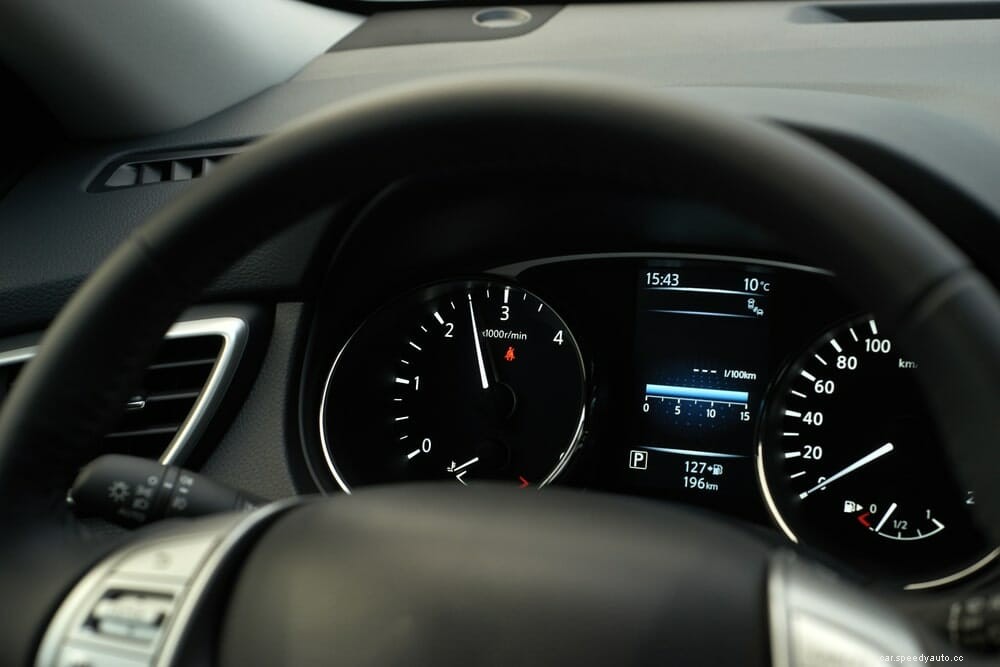
It is important to point out that modern speedometers use electronic sensors to detect the car’s speed, rather than a mechanical cable.
A functional speedometer is essential for your safety on the road, as well as ensuring you are compliant with the law. Speeding tickets can be very costly, and speeding is one of the leading causes of accidents.
Speedometers usually come with factory presets that will sound an alarm when the car goes over a certain speed. This is called the speed limit reminder and can be very helpful in preventing speeding tickets.
Beware the factory presets are usually programmed based on the car’s stock tires. If you have upgraded to larger tires, the speed limit reminder will be set too low.
The tachometer tells the driver how fast the engine is running. It is usually located on the left side of the dashboard and has readings in RPMs (revolutions per minute). The needle on the tachometer will rise as the engine’s RPMs increase, and fall as the engine’s RPMs decrease.
The tachometer is an important gauge to pay attention to because it can help prevent damage to the engine. If the needle gets too high, it means the engine is overrevving and could potentially be damaged.
A vehicle’s fuel gauge tells the driver how much fuel is in the tank. It is usually located on the right side of the dashboard and has a needle that will point to “E” when the tank is empty and “F” when it is full. In between “E” and “F”, there are usually markings for each quarter tank of fuel.
The fuel gauge is important because it prevents the engine from running out of gas. If the needle gets too close to “E”, it means the tank is running low and you will need to refuel soon.
It is recommended that a vehicle should run at least a quarter tank of fuel at all times. Below this level would damage the engine and cause overheating.
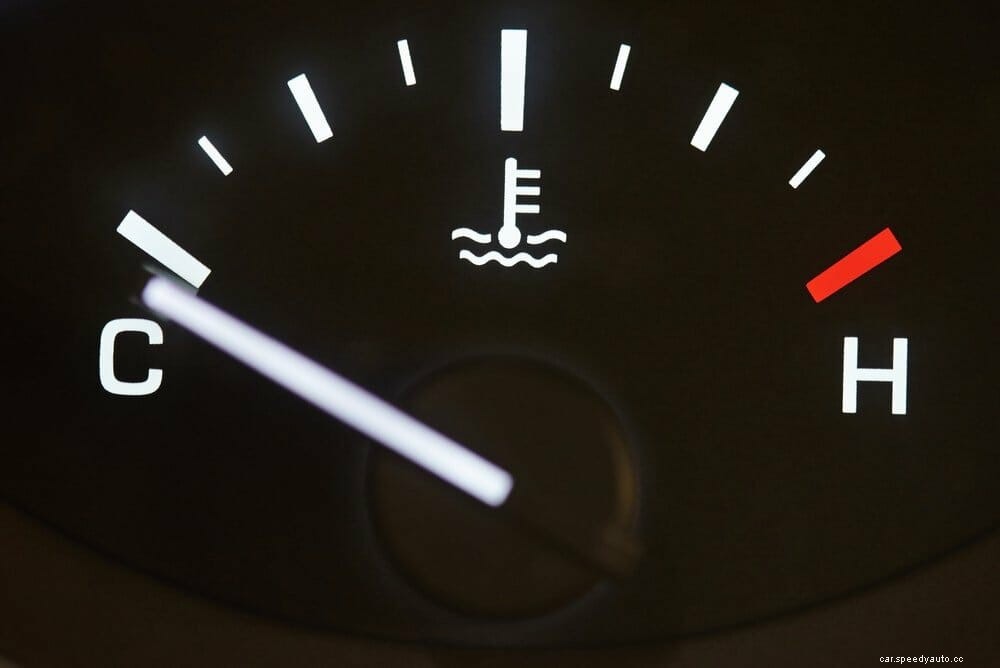
The temperature gauge tells the driver the engine’s coolant temperature. It is usually located on the right side of the dashboard and has a needle that will rise as the engine’s temperature increases. The ideal operating temperature for most engines is around 195 degrees Fahrenheit.
A temperature gauge is important because it prevents the engine from overheating. If the needle gets too close to the red line, it means the engine is getting too hot and needs to be shut off immediately. Overheating can damage the engine and cause a fire.
The oil pressure gauge tells the driver the oil pressure in the engine. It is measured in terms of psi (pounds per square inch). It is usually located on the left side of the dashboard and has a needle that will rise as the oil pressure increases.
The oil pressure gauge is important because it prevents the engine from running out of oil. If the needle gets too close to “0”, it means there is no oil pressure and the engine will seize up. This can cause major damage to the engine and is usually not covered by a warranty.
Oil pressure gauges are absent in some cars. In their place is an oil pressure light that will come on if the engine is low on oil. It is important to check the oil level regularly in these cars, as running out of oil can damage the engine.
The voltmeter tells the driver the battery voltage. It is usually located on the left side of the dashboard and has a needle that will rise as the battery voltage increases. A healthy battery should have a voltage of around 12V.
The voltmeter is important because it can help prevent damage to the battery. If the needle gets too close to “0”, it means the battery is low and needs to be recharged. Running a battery too low can damage it and shorten its lifespan.
There are acceptable ranges for voltages in different types of batteries, so it is important to consult a professional if the voltmeter is reading outside of these ranges.
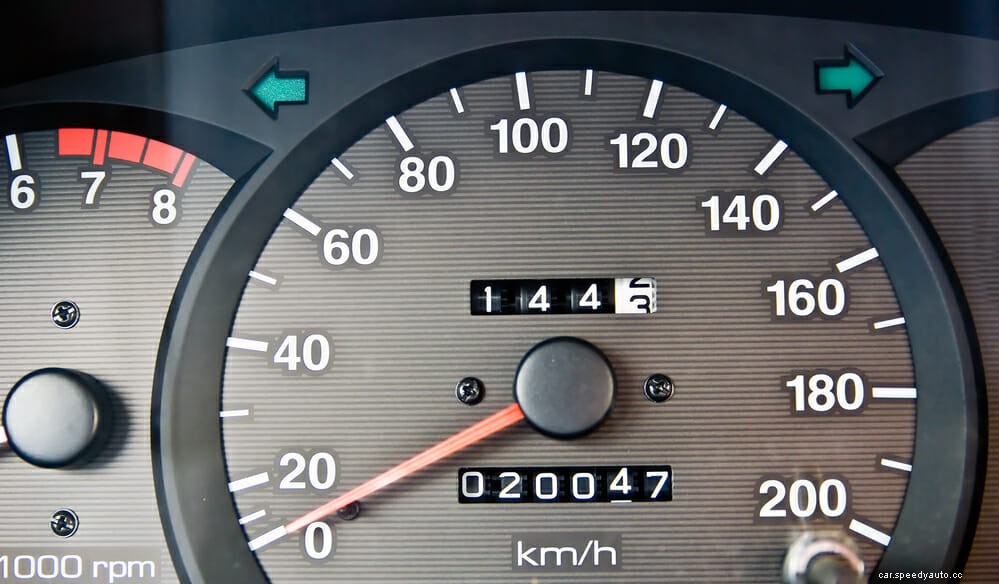
An odometer is a device that measures the distance traveled by a vehicle. It is usually located on the dashboard and has readings in miles or kilometers. The odometer is important because it can be used to estimate the value of a vehicle.
Odometers can be mechanical or electronic. Mechanical odometers use gears and springs to measure the distance traveled, while electronic odometers use sensors to measure the speed of the wheels.
Odometer fraud is when a person illegally changes the reading on an odometer. This is done in order to make a vehicle seem like it has traveled less than it actually has, which can increase its value.
Odometer fraud is a federal crime in the United States and is punishable by up to five years in prison.
The most important gauges in a car are the fuel gauge, temperature gauge, and oil pressure gauge. These gauges are important because they can prevent damage to the engine.
It is recommended that a vehicle should have at least a quarter tank of fuel, 195 degrees Fahrenheit coolant temperature, and 30 psi oil pressure at all times.
A voltmeter is also important because it can help prevent damage to the battery. Odometers are less important but can be used to estimate the value of a vehicle.
It is important to keep your gauges clean in order to prevent them from malfunctioning. The best way to clean gauges is with a soft cloth and mild soap. Do not use harsh chemicals or abrasive materials, as this can damage the delicate components of the gauge.
Gauges are an important part of any vehicle and can help prevent damage to the engine or battery. It is important to know what each gauge does and to keep them clean in order to prevent them from malfunctioning.
Having read this article, you should now have a better understanding of what the different gauges in a car are.
