
When it comes to car ownership, there are a lot of things that you need to know in order to be prepared. One question that many drivers have is, do all cars come with a jack? In this blog post, we will answer that question and provide some helpful information about carjacks.
Not all cars come with a Jack. However, it is important to know that there are different types of jacks and each car is equipped with a specific type. The most common type of jack that you’ll find in cars is the floor jack.
The reason why some cars do not come with their carjacks is that they are not necessary. For example, if you have a flat tire, you can simply use your spare tire to replace the flat one.
Secondly, manufacturers usually don’t include a car jack because they want their models to weigh less.
There are many different reasons why you might need to use a jack. If you have a flat tire, you will need to use a jack in order to change it. You might also need to use a jack if your car needs to be lifted for repairs or maintenance.
Jacks can also be used for other purposes, such as moving your car from one location to another.
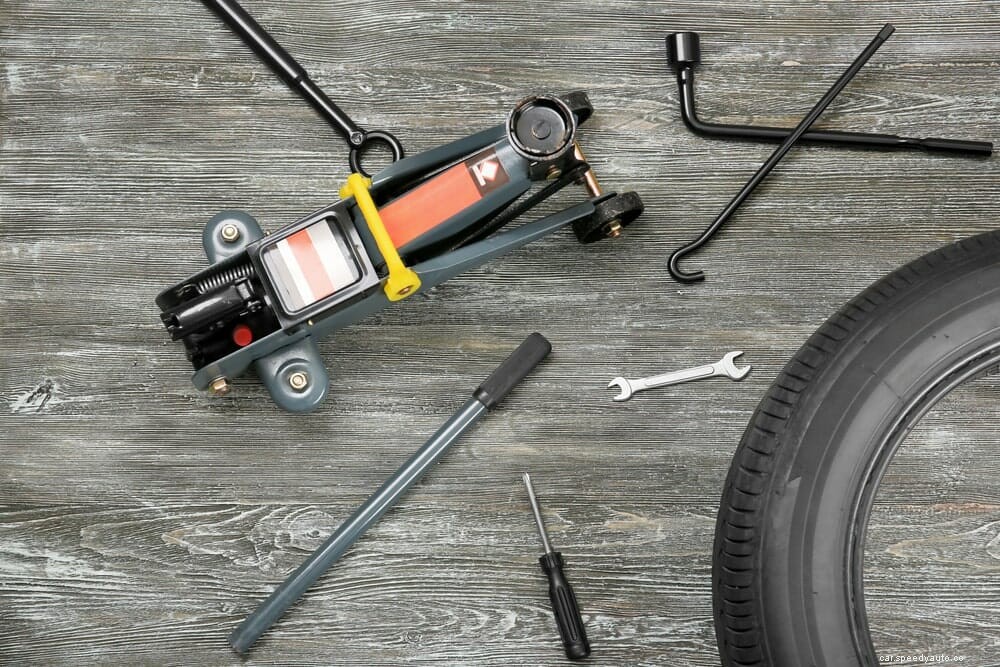
There are 4 types of jacks namely: scissor, floor, bottle, and hydraulic. Each type of jack has a different purpose and is used in different ways.
Floor jacks are designed to be used on level surfaces and can be operated by one person. If your car doesn’t have a floor jack, then you’ll need to purchase one separately.
Another type of jack that you may find in cars is the scissor jack. Scissor jacks are designed for lifting vehicles that are higher off the ground. They are also operated by one person and can be used on level or uneven surfaces.
Bottle jacks are another type of jack that can be found in cars. Bottle jacks are designed for lifting heavier vehicles and must be operated by two people. Similarly, hydraulic jacks are also designed for lifting heavier vehicles and must be operated by two people.
The answer to this question is ‘not safe’. It is not safe to get under a car without a jack. However, there are a few alternatives you can resort to. For example, you can use a car ramp. A car ramp is not only simple to use but it is also very safe.
The other option is a garage pit. A garage pit is a hole in the ground that gives you access to the underside of a car. However, pits are not as common as ramps and not everyone has access to one.
Besides, there are multiple other unorthodox ways of jacking up a car such as using a mound or a rock to prop up the car. Remember to always have your handbrake on when trying any of these methods.
The cost of a jack will vary depending on the type, brand, and size. Floor jacks typically range from $50 to $200. Bottle jacks can cost anywhere from $100 to $300. Hydraulic jacks are the most expensive and can cost upwards of $400.
Hydraulic jacks are the most expensive, and for good reason. They are the most durable and can lift heavy vehicles with ease. If you are looking for a jack that will last you a long time, then a hydraulic jack is the way to go.
On the other hand, if you are on a budget, then a bottle or scissor jack might be more suitable for you. These jacks are less expensive and can still get the job done.
Place the jack under the vehicle at a point that is level with the ground. Find the scissor jack handle and insert it into the hole on the top of the jack.
Pump the handle up and down until the vehicle is lifted to your desired height. Once you have reached your desired height, stop pumping the handle and remove it from the jack.
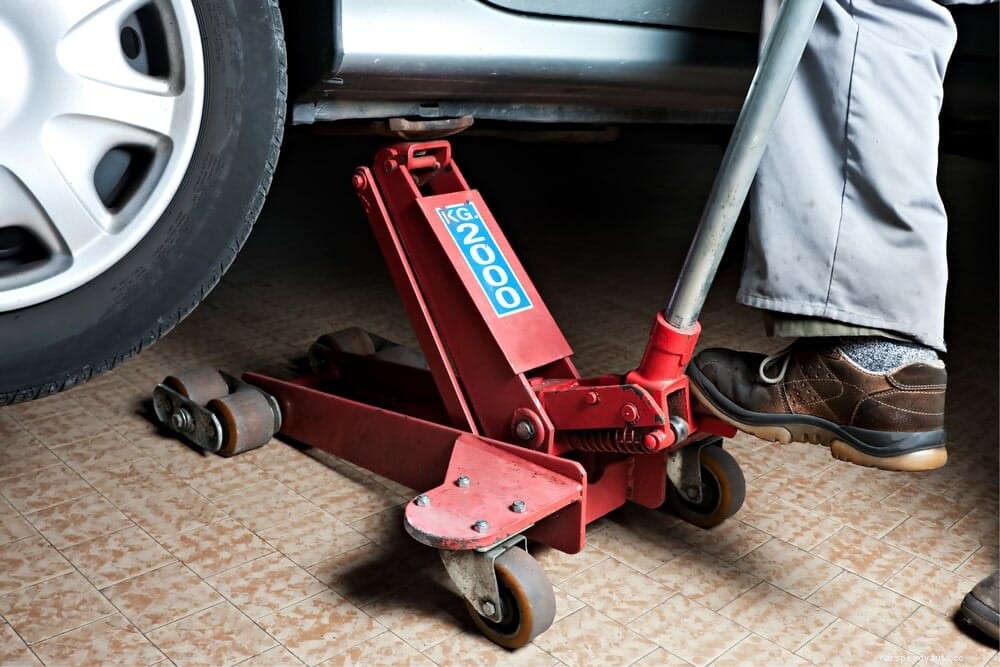
Position the jack under the car. Make sure that the jack is positioned on a level surface, and that it is not touching any part of the exhaust system.
Slowly turn the jack’s release all the way to the right until it is in the fully open position. Find the right spot for the jack.
Pump the jack handle up and down until the vehicle is lifted to your desired height. Once you have reached your desired height, stop pumping the handle. Remove the jack handle from the jack and turn the release knob back to its original position.
Position the jack under the vehicle. Make sure that the jack is positioned on a level surface, and that it is not touching any part of the exhaust system.
Attach the hydraulic hose to the release valve on the top of the jack. Pump the handle up and down until fluid starts flowing from the hose.
Continue pumping until the vehicle is lifted to your desired height. Once you have reached your desired height, stop pumping and disconnect the hydraulic hose from the release valve.
Yes. Hydraulic jacks need oil in order to function properly. The oil helps to lubricate the moving parts inside the jack and prevents them from seizing up.
If you are using a hydraulic jack, be sure to check the level of oil before each use. If the level is low, add more oil until it reaches the full line. Note that you must use the same type of oil that is already in the jack. Do not mix different types of oil together.
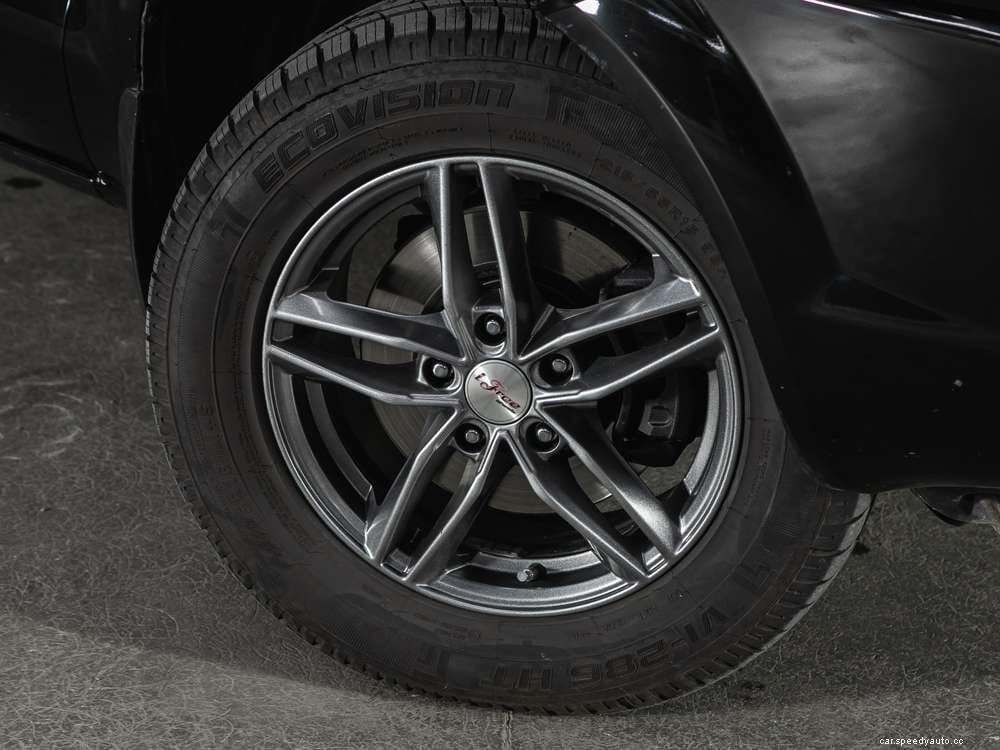
It is possible to inflate a flat tire without a jack, but it is not recommended. If you do not have a jack, you can try using a car ramp or a garage pit. However, these methods are not as safe as using a jack.
It is possible to change car brakes without a jack, but it is not recommended. No jack? No problem! You can try using a car ramp or a garage pit. However, these methods are not as safe as using a jack.
All Ford vehicles come with a jack and a lug wrench. The jack is located in the trunk of the vehicle. The lug wrench is stored in the spare tire well.
All Honda Civic models come with a jack and a lug wrench. The jack is located in the trunk of the vehicle. The lug wrench is stored in the spare tire well.
If your car has a hydraulic jack, there will be a hydraulic hose attached to the release valve on the top of the jack. If your car has a mechanical jack, there will be a scissor mechanism on the side of the jack.
All cars come with a lug wrench. The lug wrench is used to remove the lug nuts from the wheels. It is usually stored in the trunk of the vehicle or in the spare tire well. A lug wrench is required to change a tire.
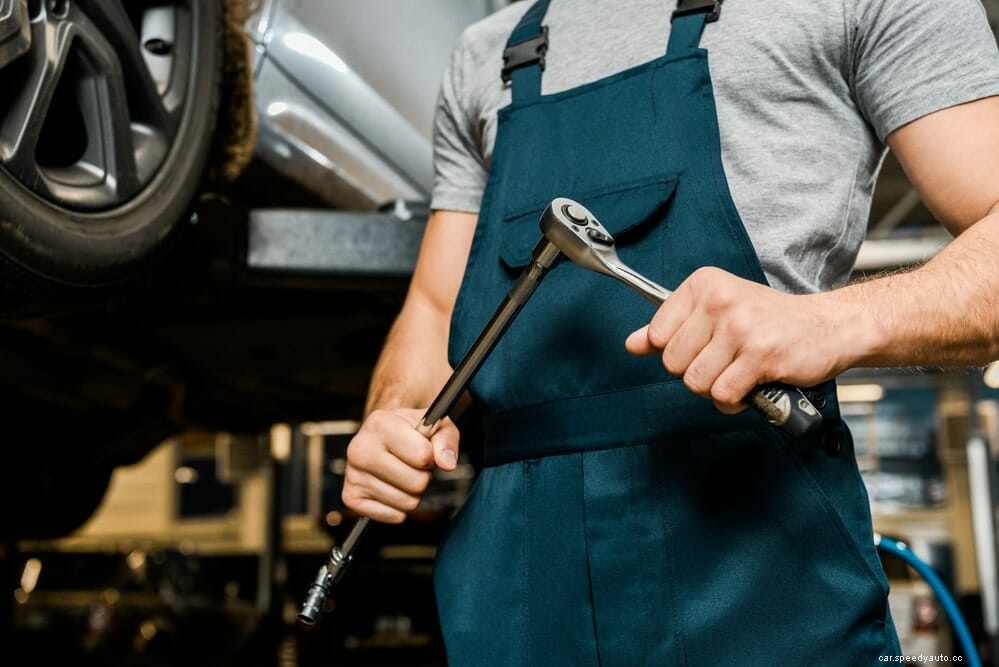
Most lug wrenches have four different sizes of sockets, so they can fit any type of lug nut. Some newer vehicles have a power lug wrench, which is operated by an electric motor. This type of wrench is much easier to use than a manual one.
In a nutshell, not all cars come with a jack. Moreover, the type of jack that your car has will depend on the make and model of the vehicle. Most jacks are either hydraulic or mechanical.
If you’re not sure which type of jack your car has, be sure to check the owner’s manual before attempting to use it. Thanks for reading. We hope this article was helpful. Drive safe.
