
If you’re new to motorcycles, the term “petcock” may be unfamiliar to you.
A petcock is a small valve that allows fuel to flow into the carburetor on a motorcycle. It’s usually located on the bottom of the gas tank, and it has several different settings that allow you to control the amount of fuel that flows into the engine.
In this article, we will discuss what a petcock is, what it does, and how it works!
A petcock (sometimes called a “faucet”) is a valve on a gas tank that allows you to shut off the flow of fuel without having to remove the tank from the vehicle. This is especially useful on motorcycles, lawnmowers, and other small engines.
Most petcocks have a “prime” position that allows you to fill the tank with fuel and a “closed” position that keeps the fuel from flowing out of the tank. Some petcocks also have a “vent” position that allows air to escape from the tank as you’re filling it.
The prime position is used to fill the tank with fuel. The closed position blocks the fuel from flowing out of the tank. The vent position allows air to escape from the tank while you’re filling it with fuel.
The purpose of a motorcycle petcock is to allow the rider to control the fuel flow to the engine. The petcock has three positions: ON, OFF, and RESERVE. The ON position allows fuel to flow from the gas tank to the engine.
The OFF position stops the flow of fuel. The RESERVE position allows the rider to use reserve fuel in the gas tank. A motorcycle petcock typically has a lever that can be moved between these three positions.
The way a motorcycle petcock works is pretty simple. When the lever is in the ON position, it opens a valve that allows fuel to flow from the gas tank to the engine.
When the lever is in the OFF position, it closes the valve and stops the flow of fuel. When the lever is in the RESERVE position, it opens a valve that allows reserve fuel in the gas tank to flow to the engine.
A motorcycle petcock is a very important part of a motorcycle. It allows the rider to control the flow of fuel to the engine. It’s important to make sure that the petcock is working properly so that you can get the most out of your motorcycle.
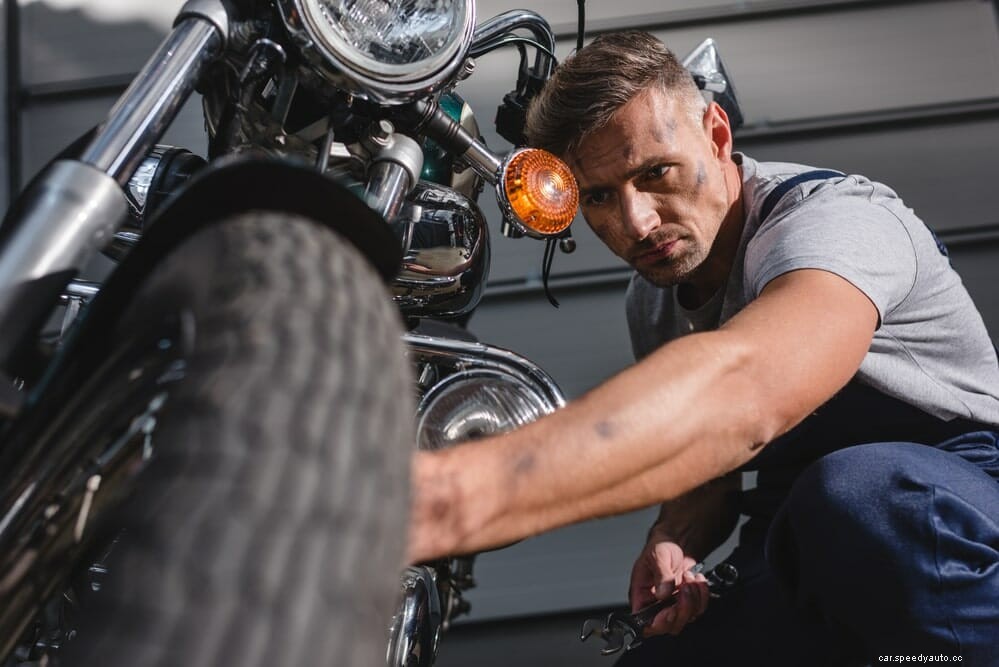
Not all motorcycles have fuel gauges, so the petcock has a function to have a little bit of extra fuel in the reserve. When you run of fuel in the main tank, it switches to the reserve and allows you to fill up your motorcycle.
Most motorcycles have petcocks, but there are a few exceptions. Some motorcycles have fuel injection systems instead of carburetors. Fuel injection systems work differently than carburetors, so they don’t need a petcock.
If you have a motorcycle with a fuel injection system, then it doesn’t have a petcock.
A carburetor needs a petcock because it needs a way to control the flow of fuel to the engine. Without a petcock, the carburetor would just dump all the fuel into the engine at once.
This would cause the engine to run too rich and it would flood. A petcock allows the carburetor to adjust the fuel flow depending on how much power the engine is using.
A carburetor is a device that mixes fuel with air so that the engine can use it. The fuel and air are mixed in the carburetor and then the mixture is sent to the engine. The carburetor uses a venturi to mix the fuel and air.
A venturi is a tube with a narrowing in the middle. When the air passes through the venturi, it speeds up. This increase in speed causes the pressure of the air to decrease. This decrease in pressure sucks the fuel into the airstream.
The way a carburetor works is pretty simple. When you turn on the motorcycle, the starter motor turns the engine over. This starts a small fire in the engine cylinders. The fire causes a vacuum to form in the cylinders.
The vacuum pulls the air and fuel mixture from the carburetor into the cylinders. The air and fuel mixture then mixes with the spark plugs and causes the engine to run.
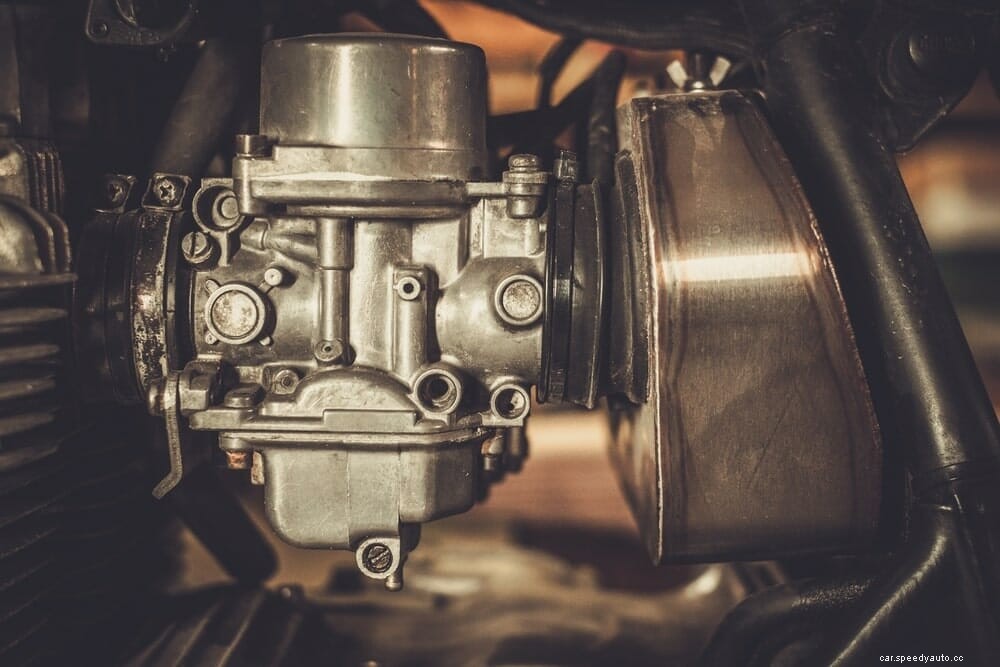
The petcock knows when to turn on and off because it is connected to a float valve in the gas tank. The float valve is a spring-loaded valve that opens and closes depending on how much fuel is in the tank.
When the tank is full, the float valve closes and prevents any more fuel from entering the tank. When the tank is empty, the float valve opens and allows fuel to enter the tank. The petcock senses the position of the float valve and it adjusts the fuel flow accordingly.
The best way to tell if the petcock is working is to check the gas tank for leaks. If you have a gas tank with a petcock, then there’s a good chance that it will leak.
To test for leaks, put some soapy water on the gas tank and look for bubbles. If you see bubbles coming from the petcock, then it’s leaking and needs to be fixed.
There are a few different parts of the petcock. The main part is the body, which is the part that attaches to the gas tank. The lever is the part that you use to control the flow of fuel.
The lever is attached to the body by a pivot rod. The washer is a metal disk that helps seal the connection between the body and the gas tank. The gasket is a rubber ring that helps seal the connection between the body and the gas tank.
The spring is what pushes the float valve up and down in the gas tank. And finally, the cap screws on to cover up the hole where the petcock attaches to the gas tank.
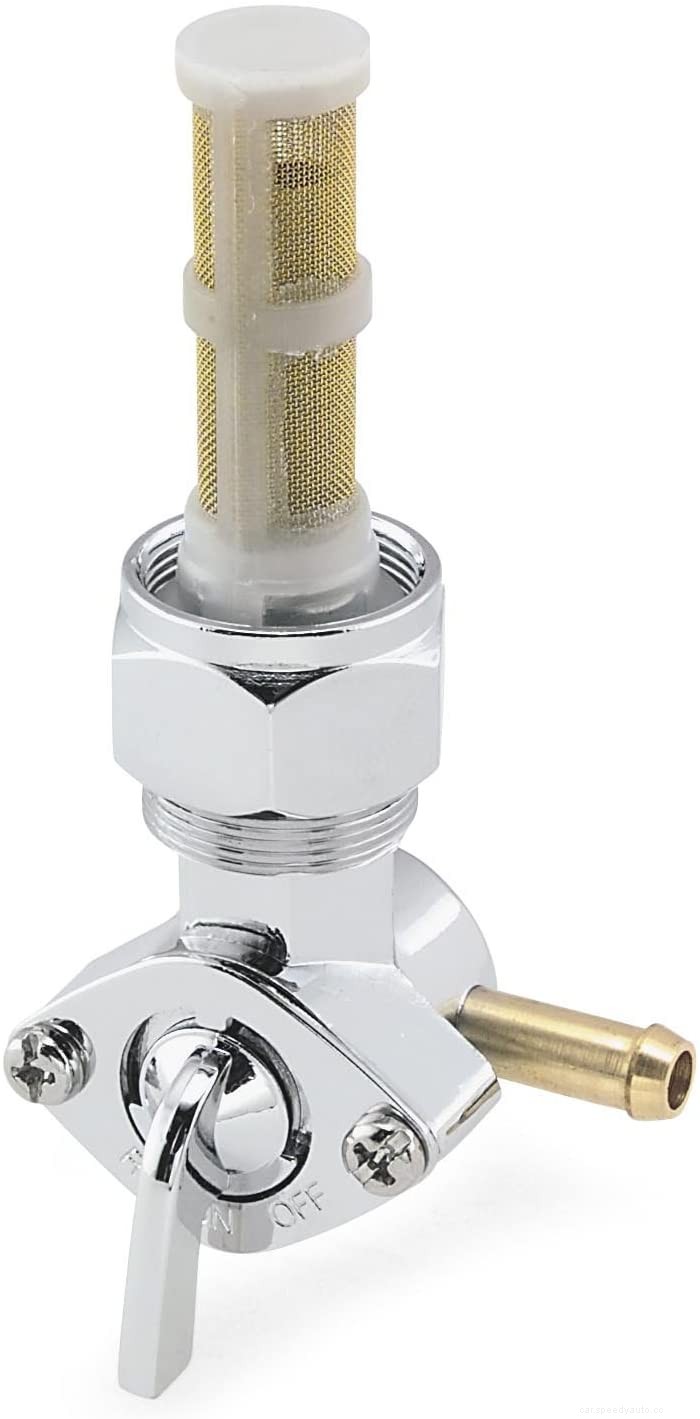
There are a few bad petcock symptoms that you can watch for. One of the most common symptoms is a gas leak. If you see gas leaking from the petcock, then it’s probably not working properly and needs to be fixed.
Another common symptom is poor performance or stalling. If your motorcycle is performing poorly or stalling, then there’s a good chance that the petcock is at fault. Finally, another common symptom is a flooded engine.
If the engine is flooded, then it’s because too much fuel is entering the engine and the petcock is probably not working properly.
If you’re experiencing any of these bad petcock symptoms, then you should take your motorcycle to a mechanic and have them check out the petcock.
If your petcock is leaking, then you need to fix it. Here’s a step-by-step guide on how to do it:
If you follow these steps, then you should be able to fix a leaking petcock.
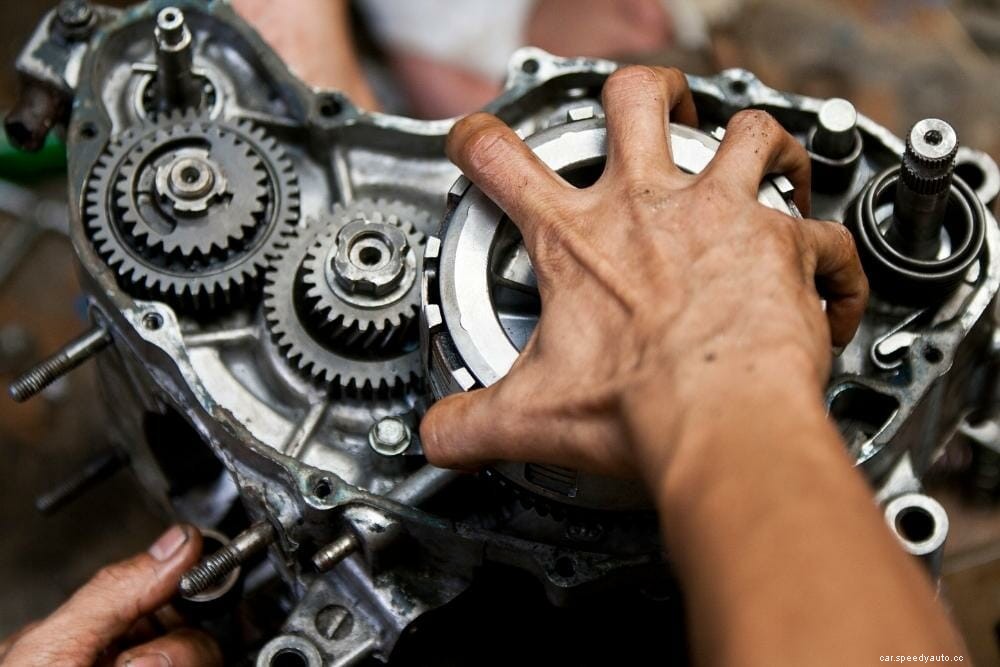
There are a few things that you can do to properly maintain a petcock.
By following these tips, you can properly maintain your petcock and prevent any major problems from happening.
There’s no right or wrong answer when it comes to cleaning petcocks. Some people choose to clean them regularly, while others only clean them when they start to experience problems. We highly recommend that you do clean them, as dirty fuel can damage your engine.
If you choose to clean your petcock, then here’s a step-by-step guide on how to do it:
If your petcock is very dirty, then you can clean it with some carburetor cleaner. Carburetor cleaner is a solvent that will dissolve the dirt and grease that builds upon the petcock. Be sure to wear gloves when you’re cleaning the petcock because the solvent can be dangerous if it’s inhaled.
Be careful not to get any of the solvents on the paintwork, because it can damage the finish. Also, be careful not to get any of the solvents in your eyes, because it can cause blindness.
If you follow these steps, then you should be able to clean your petcock properly.
How often you should clean your motorcycle petcock depends on how often you ride your bike and how dusty it gets. If you only ride your bike a few times a year, then you may only need to clean it once a year.
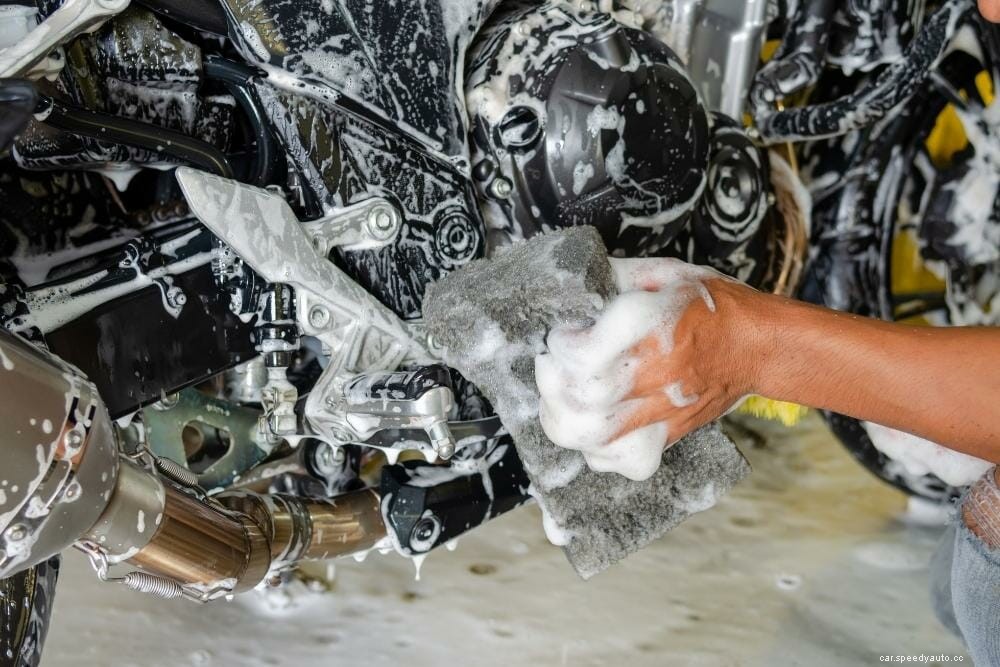
However, if you ride your bike every day and it’s constantly in contact with dust, then you’ll need to clean it more frequently. In general, we would recommend cleaning your motorcycle petcock at least every six months.
A petcock costs anywhere from $15 to $25, depending on the make and model. If you need to replace the gasket or spring, then those parts will also cost extra.
If you’ve been storing your motorcycle for an extended period of time, then you’ll need to clean the petcock before you start it up. The best way to do this is to remove the petcock from the gas tank and clean it with some carburetor cleaner.
Be sure to wear gloves when you’re doing this because the solvent can be dangerous if it’s inhaled. Also, be careful not to get any of the solvents on the paintwork or in your eyes. If you follow these steps, then you should be able to clean your petcock properly.
It’s not recommended to ride a motorcycle without a petcock. If your petcock is not functioning properly, then you won’t be able to control the flow of fuel into the engine. This could result in a number of problems, including engine seizures.
If you’re experiencing any of the symptoms listed in this article, then you should take your motorcycle to a mechanic and have them check out the petcock.
A bad petcock can cause engine damage, especially if it’s not functioning properly. If the petcock isn’t allowing enough fuel to enter the engine, then the engine will not be able to run properly. This could result in a number of problems, including engine seizures.
The petcock is a key component of carburetor injected motorcycles. It allows you to control the flow of fuel into the engine. While not many modern motorcycles use carburetors anymore, you can find them on many classics and custom motorcycles.
There are a few things that you can do to properly maintain and clean your petcock, which will help keep your motorcycle running smoothly. If you’re experiencing any of the symptoms listed in this article, then you should take your motorcycle to a mechanic and have them check out the petcock.
