
Motorcycle exhausts come in all shapes and sizes. They can be made from a variety of materials, including carbon fiber, stainless steel, and aluminum.
No matter what the material is, it will eventually start to show signs of wear and tear. This is especially true if you ride your motorcycle often.
You can avoid this by applying a powder coat to a motorcycle’s exhaust. Exhaust powder coating is the perfect solution for protecting your exhaust system from corrosion and heat damage.
It is easy to apply and comes in a wide range of colors and textures. If you are looking for a way to protect your exhaust parts, exhaust powder coating is the best option available.
In this article, we will discuss what exhaust powder coating is, how to do it, and whether or not you should do it to your motorcycle.
Exhaust powder coating is a process that is used to coat exhaust parts with a layer of powder. The powder is then melted and bonded to the surface of the part. This process provides a durable and long-lasting finish that can resist corrosion and heat.
Exhaust powder coating is commonly used on exhaust manifolds, pipes, and mufflers. It can also be used on other parts that need to withstand high temperatures, such as brake calipers and rotors.
One of the benefits of exhaust powder coating is that it can be applied to a variety of materials, including steel, aluminum, and titanium. It can also be used on parts with complex shapes and contours. The finish is smooth and consistent, which helps to reduce turbulence and drag.
Exhaust powder coating is a process that has been around for many years. It is a popular choice for high-performance applications because it provides a durable and heat-resistant finish.
If you are looking for a way to protect your exhaust parts from corrosion and heat damage, exhaust powder coating is the perfect solution.
There are many benefits of exhaust powder coating, including:
If you are looking for a way to protect your exhaust parts from corrosion and heat damage, exhaust powder coating is the perfect solution.
There are a few cons of powder coating, including:
If you are looking for a durable and heat-resistant finish, exhaust powder coating may not be the best option. There are several other finishes that may be a better fit for your needs.
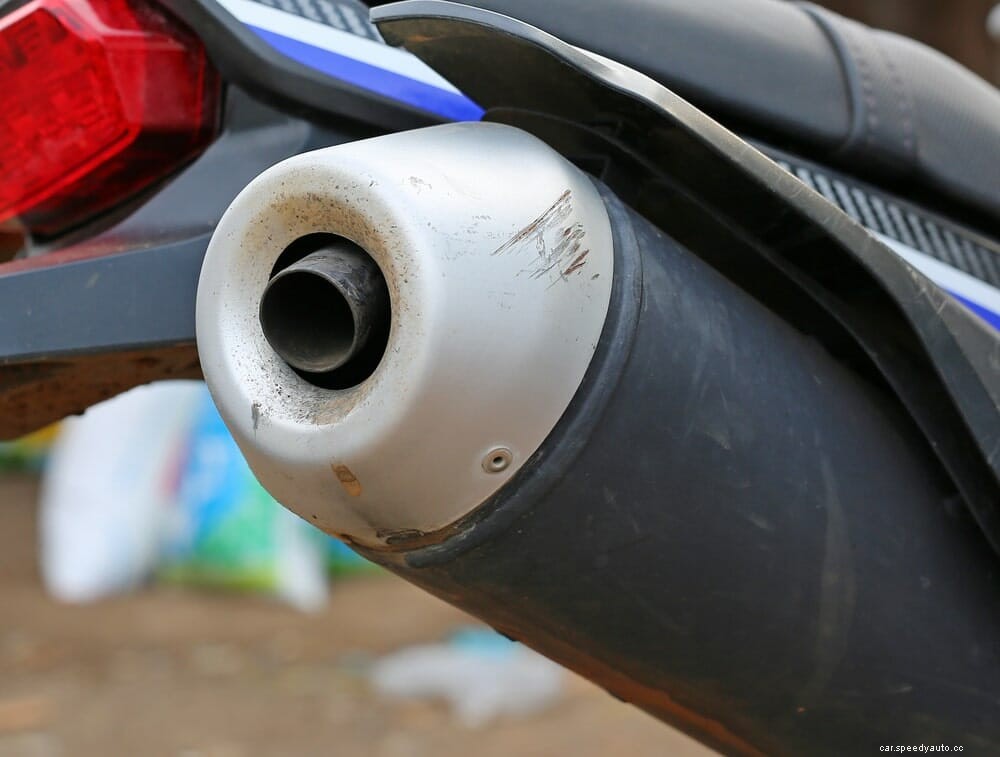
Yes, you can powder coat a motorcycle exhaust. The process is the same as powder coating any other type of exhaust part. You will need to find a powder coating shop that specializes in motorcycle exhausts.
They will be able to coat your exhaust with a layer of powder that will protect it from corrosion and heat damage.
There are several different types of exhaust powder coating, including:
If you are looking for a way to protect your exhaust parts from corrosion and heat damage, exhaust powder coating is the perfect solution. There are several different types of exhaust powder coating to choose from, so you can find the perfect finish for your needs.
The process of exhaust powder coating is simple and easy to follow. Here is a detailed step-by-step guide:
The first step in the process is pre-treatment. This step prepares the surface of the part for the application of the powder coat. The pre-treatment may involve sandblasting, chemical etching, or heat treatment.
The second step is the application of the powder coat. This can be done with a spray gun or a powder coating booth. The gun or booth will apply a layer of powder to the part, which will then be cured in an oven.
The third step is curing. This step cures the powder coat and bonds it to the surface of the part. The curing process may involve baking in an oven, ultraviolet light, or infrared heat.
The fourth step is finishing. This step involves cleaning and inspection of the part. Any excess powder that has not been bonded to the surface will be removed, and the part will be checked for any defects.
If you are looking for a way to protect your exhaust parts from corrosion and heat damage, exhaust powder coating is the perfect solution.
Exhaust powder coating is a simple process that can be done at home or at a local powder coating shop. There are several different types of exhaust powder coating to choose from, so you can find the perfect finish for your needs.
When powder coating, it is important to wear the proper safety gear. You should wear goggles, a respirator, and gloves to protect your eyes, lungs, and hands.
If you are looking for a way to protect your exhaust parts from corrosion and heat damage, exhaust powder coating is the perfect solution. Exhaust powder coating is a simple process that can be done at home or at a local powder coating shop.
There are several different types of exhaust powder coating to choose from, so you can find the perfect finish for your needs.
If you are not interested in powder coating, there are several other options available:
If you are looking for a way to protect your exhaust parts from corrosion and heat damage, exhaust powder coating is the perfect solution. Exhaust powder coating is a simple process that can be done at home or at a local mechanic.
That is a question that only you can answer. There are pros and cons to both powder coating and ceramic coating.
Powder coating is less expensive than ceramic coating, and it is easier to apply. It also has a wide range of colors and textures to choose from. However, powder coatings are not as durable as ceramic coatings.
Ceramic coatings are more durable than powder coatings, but they are also more expensive. They are available in a limited number of colors, but they can withstand high temperatures.
Yes, in fact, you can powder coat any part of your exhaust system. You can powder coat the exhaust tips, the muffler, the header pipe, or any other part of your system.
Powder coating will not remove corrosion, but it will protect the part from further corrosion. Powder coatings form a protective layer on the surface of the part and prevent oxygen and moisture from reaching the metal. This prevents corrosion from occurring.
You should remove corrosion before applying powder coating. If there is any corrosion on the part, it will need to be removed before coating.
The process of removing corrosion is fairly simple, and if done right, won’t damage your exhaust.
When you are ready to coat your exhaust system, there are several things you need to know:
The cost of powder coating will vary depending on the size and complexity of the job. Generally, it costs between $25 and $50 per square foot.
Powder coatings are durable, but they are not as durable as ceramic coatings. They can withstand high temperatures and everyday wear and tear, but they will not hold up to long-term exposure to the elements.
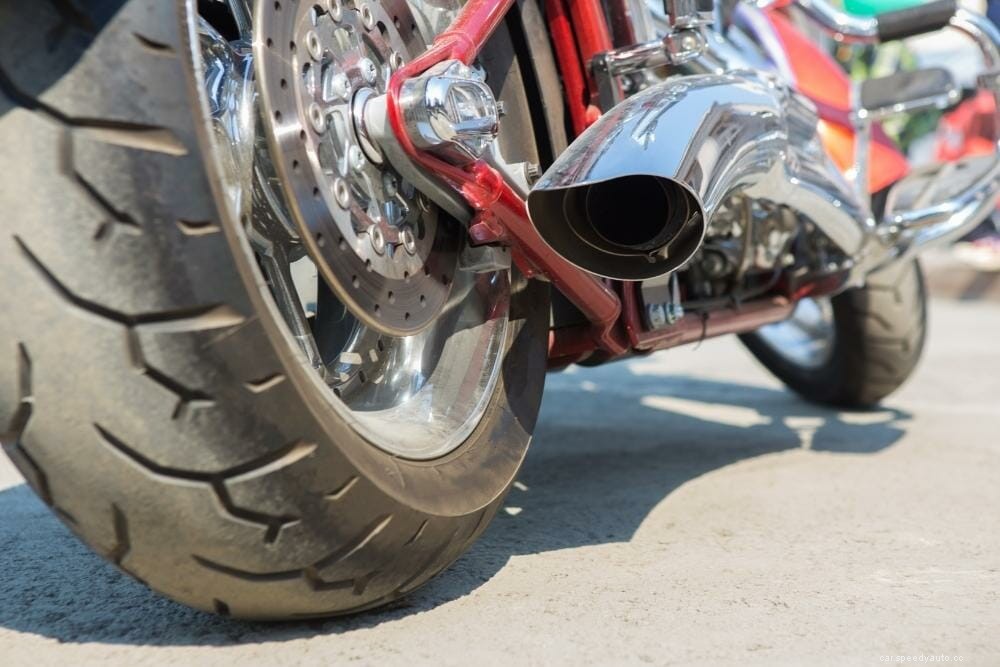
Yes, you can powder coat any part of your exhaust system. You can powder coat the exhaust tips, the muffler, the header pipe, or any other part of your system.
Powder coatings will last for several years, but they may need to be re-coated eventually. The life of the coating will depend on the type of powder coating used, the amount of wear and tear the part is exposed to, and the climate conditions.
Yes, you can remove powder coatings if you change your mind. The process of removing a powder coating is simple and does not damage the part.
Exhaust powder coating is a simple process that can be done at home or at a local mechanic. You can easily apply it to your motorcycle exhaust and it’s is a great way to protect your exhaust parts from corrosion and heat damage.
There is a wide range of colors and textures available, so you can find the perfect finish for your needs. If you are not interested in powder coating, there are several other options available, including paint, chrome, and anodizing.
Which finish is best for you will depend on your needs and budget. Powder coating is less expensive than ceramic coating, but it is less durable.
Ceramic coatings are more durable than powder coatings, but they are also more expensive. Ultimately, the decision is up to you. Choose the finish that fits your needs and your budget.
