
Motorcycles are a great way to get around, but they can be difficult to start if you don’t know how to do it properly. If your motorcycle has been sitting for a while, there are some things you need to do before trying to start it.
The first thing you should check when you want to start a motorcycle that has been sitting for quite a while is the battery. If everything is okay, the next thing you should check is if the motorcycle has fuel and if the injection system is working fine.
This is a great chance to see if you have water in your system. The last things you should check are the spark plugs and if the problem still persists, it’s possible that it’s caused by an electrical problem.
In this article, we will cover the basics of starting a motorcycle and how to start one that’s been sitting for too long. We’ll also cover some of the possible causes why it won’t start and how to fix them.
So, whether you’re a beginner or an experienced rider, read on for all the information you need on starting your motorcycle!
One of the best ways to start a motorcycle is by using the choke. The choke is used to add more fuel to the engine, which will help it start. There are two ways to use the choke: manually and automatically.
To manually use the choke, you will need to pull the cord out from the side of the bike. Once you have pulled the cord out, you will need to hold it in and give the bike throttle. This will help the bike startup.
The manual choke is more common on older motorcycles with carburetors.
Automatic chokes do everything for you. They will sense when the motorcycle is cold and when it has warmed up and will adjust the choke accordingly. Electrically-assisted chokes are similar to automatic chokes, but they are powered by a battery.
Once you have started the bike, you will need to let go of the choke. You can do this by either pushing the choke in or flipping a switch.
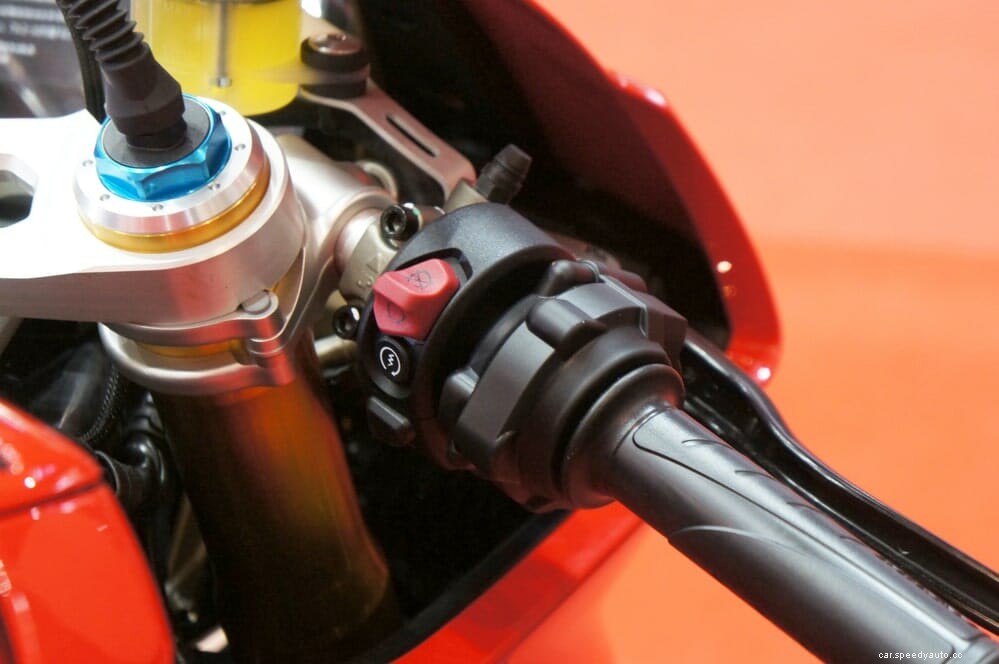
To ride the motorcycle, you will need to put your left foot on the brake and your right foot on the gas pedal. The clutch is located between the two pedals. You will need to push down on the clutch with your left foot and give it some gas while you are still holding down on the clutch.
This will move the bike into first gear. When you are ready to change gears, you will need to let go of the clutch and press down on the gear shifter. You will then need to give it some gas while you are still holding down on the shifter. This will move the bike into the next gear.
You should also check the tire pressure and adjust it if necessary. Tires that are underinflated can be dangerous, so make sure they’re properly inflated before riding.
Finally, inspect your brakes and make sure they’re working properly. If there’s any damage or wear and tear, take your motorcycle to a mechanic for repairs.
Motorcycles need a good warm-up before you ride them, just like cars. A cold motorcycle is much more likely to have problems while you’re riding it. The best way to avoid these problems is to take a few minutes and warm your bike up before you take off.
There are a few different ways to warm up your motorcycle. One way is to start the engine and let it idle for a minute or two.
You can also ride the motorcycle around in first or second gear for a few minutes. This will help heat up the engine and the transmission.
Another way to warm up your bike is to go for a short ride. A five-minute ride at moderate speed should be enough to get your bike warmed up. Make sure to avoid high speeds and hard acceleration, though. These can cause problems with the engine and the transmission.
When you’re done warming up your motorcycle, make sure to take it for a longer ride to test it out. Get it up to highway speeds and do some hard acceleration. If everything feels good, you’re ready to hit the open road!
If your motorcycle has been sitting for a while, there are some things you need to do before trying to start it.
The first thing you should do is check the battery. If the battery is dead, it will be difficult, if not impossible, to start the motorcycle. You can test the battery by using a multimeter.
If the battery is good, you should next check the fuel levels. If there’s no gas in the tank, it will be difficult to start the bike. You can add fuel by using a pump or siphoning it from another container.
You should also check the oil levels and make sure they’re at least halfway on the dipstick. If they’re not, you will need to add oil.
Once you have taken care of all these things, it’s time to try and start the motorcycle. But first, you should warm it up by driving it for a few minutes. This will help the bike run better and reduce the chances of it stalling.
There are several things that could cause a motorcycle not to start. Some of them are easy to fix, while others may require more extensive repairs.
The most common causes of a motorcycle not starting are low battery, gas problems, bad spark plugs, electrical problems, and water in the fuel system.
If you’re having problems starting your motorcycle, try checking these things first. If they’re not the problem, then you may need to take it to a mechanic for repairs.
There are many ways to start a motorcycle with a low battery, but the best way to do it is by using a battery charger. If you don’t have access to a battery charger, then you can try using jumper cables.
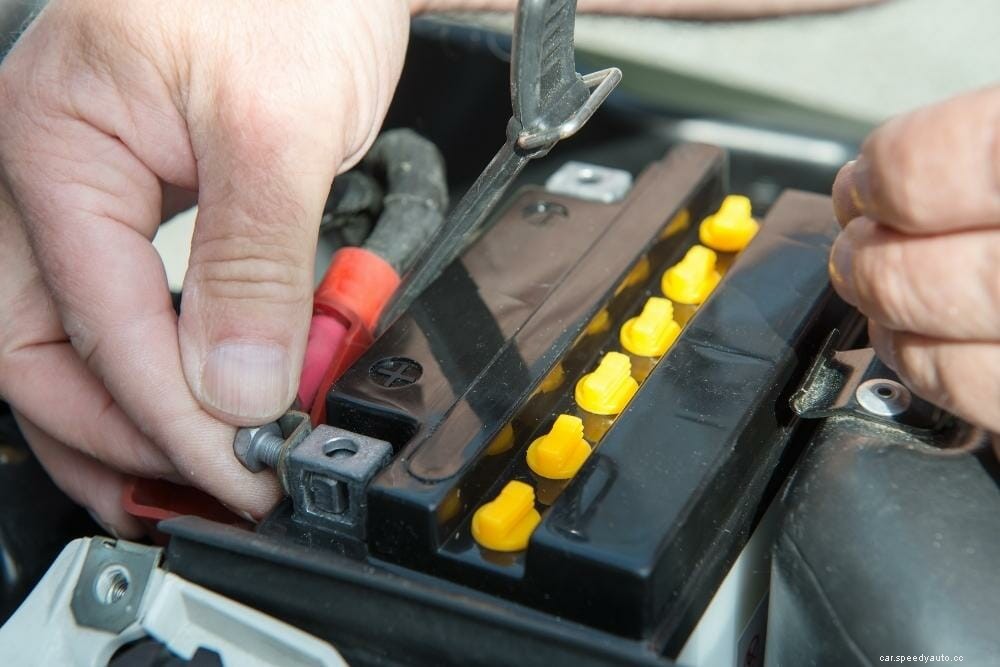
If you don’t have access to a battery charger or jumper cables, then you can try using a 12-volt light bulb.
If you don’t have access to a battery charger, jumper cables, or a 12-volt light bulb, then your last resort is to push start the motorcycle.
A motorcycle battery is a type of lead-acid battery that is used to start and power the engine of a motorcycle. Motorcycle batteries are usually smaller than car batteries, and they come in a variety of shapes and sizes.
If your motorcycle has problems with the fuel injection, then you may need to clean the fuel injectors. The best way to clean the fuel injectors is by using a can of compressed air.
Motorcycle carburetors play a critical role in your bike’s performance. They need to be clean and free of any debris for your engine to run smoothly. Here is a detailed guide on how to clean a motorcycle carburetor:
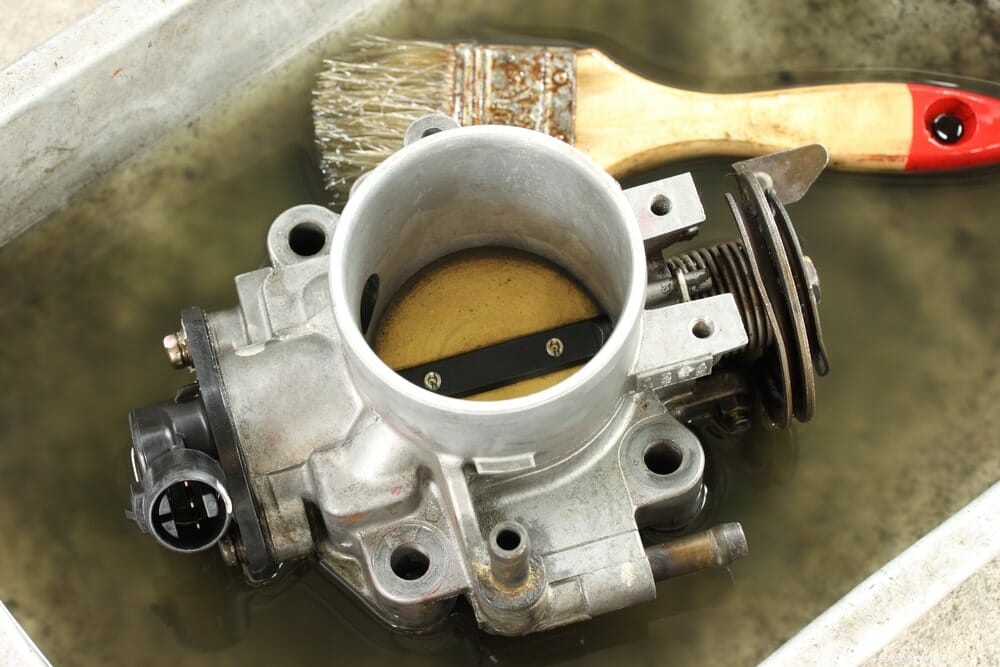
Motorcycle fuel injectors play an important role in your bike’s performance. They help to deliver the fuel and air mix to the engine. Over time, this mix can start to build up deposits on the injector nozzles.
This can cause a number of problems, including decreased performance and increased emissions. In order to keep your bike running smoothly, it’s important to clean the fuel injectors on a regular basis.
There are a few different ways to clean motorcycle fuel injectors. One of the easiest is to use a carburetor cleaner. Pour some cleaner into a small container and then submerge the injectors in it.
Let them soak for a few minutes, then rinse them off with warm water. Be sure to dry them off completely before putting them back on the bike.
Another way to clean fuel injectors is with a cleaning kit. These kits usually come with a bottle of cleaner, a small brush, and a tube.
Pour the cleaner into the engine and start it up. Then use the brush to scrub the nozzles clean. Finally, use the tube to suck out any leftover cleaner.
Whichever method you choose, be sure to follow the instructions carefully. Cleaning motorcycle fuel injectors can help improve your bike’s performance and reduce harmful emissions.
If your motorcycle isn’t starting, the first thing you should check is the spark plugs. Spark plugs are responsible for igniting the fuel-air mixture in the engine. If they aren’t working properly, then your bike won’t start.
There are a few common problems that can occur with spark plugs:
If you suspect that your spark plugs are causing your motorcycle not to start, then it’s important to troubleshoot and repair them as soon as possible. Here is a detailed guide on how to troubleshoot and repair motorcycle spark plugs:
Remove the spark plugs from the engine. Be sure to wear safety goggles and gloves when doing this, as there may be sharp edges on the plugs.
If you are still having problems starting your bike, take it to a mechanic for further diagnosis. Spark plugs are a common cause of motorcycles not starting, and they should be repaired as soon as possible.
One of the most common problems with motorcycles is electrical problems. These can be caused by a number of things, including bad wiring, corroded connectors, and faulty switches. If you’re having electrical problems with your motorcycle, it’s important to diagnose them correctly.
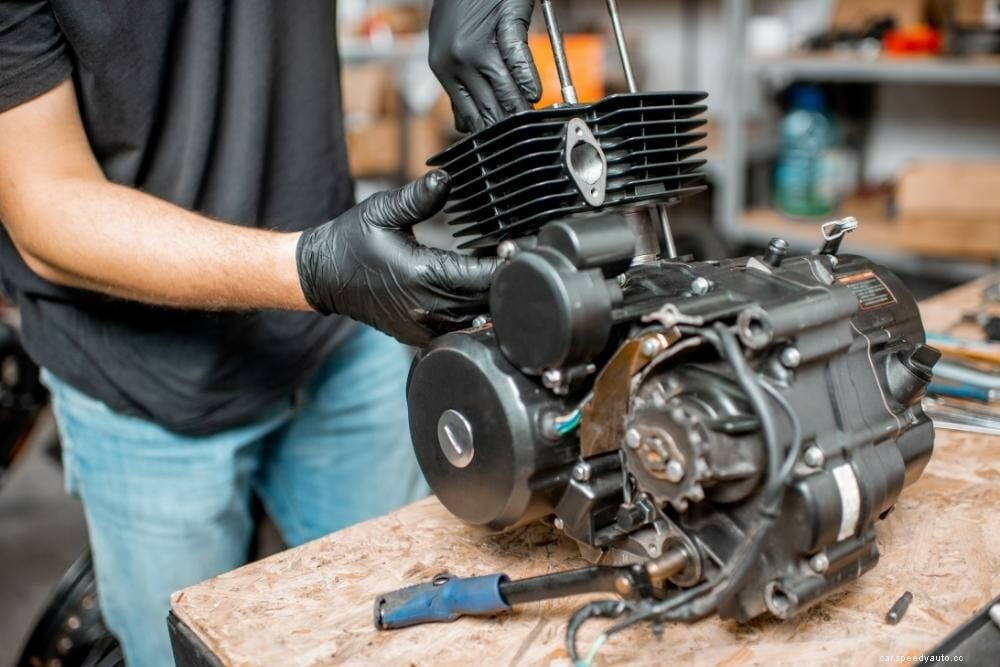
Here is a guide on how to diagnose motorcycle electrical problems:
If you’re having electrical problems with your motorcycle, these are some of the things you should check first. By diagnosing the problem correctly, you can save yourself a lot of time and money.
One of the most common problems that can occur with a motorcycle is water in the fuel system. This can cause a number of problems, including decreased performance, stalling, and even engine failure.
If you notice any symptoms of water in the fuel system, it’s important to take action right away. Here is a detailed guide on how to repair water in the fuel system:
Water in the fuel system can cause some serious problems with your motorcycle, so it’s important to repair it as soon as possible.
If your motorcycle isn’t starting, you may be able to get it going by using starter spray. Starter spray is a chemical compound that helps start engines. It can be used on cars, motorcycles, boats, and other vehicles.
There are a few different ways to use starter spray:
If you are still having problems starting your motorcycle, take it to a mechanic for further diagnosis. Starter spray may be able to help get your bike going, but it’s not a cure-all. There may be other problems with your bike that need to be repaired.
If you live in a cold climate, it’s important to winterize your motorcycle. This will help protect it from the cold weather and keep it in good condition. Here is a detailed guide on how to winterize a motorcycle:
Winterizing your motorcycle is an important step in protecting it from the cold weather. Follow these instructions to keep your bike in good condition all winter long.
Adding a fuel stabilizer to your motorcycle is an important step in winterizing it. There are a few different ways to add a fuel stabilizer:
Be sure to follow the instructions for your particular brand of fuel stabilizer. Adding too much or too little can actually do more harm than good.
Removing a motorcycle battery is a simple process. Here are the steps:
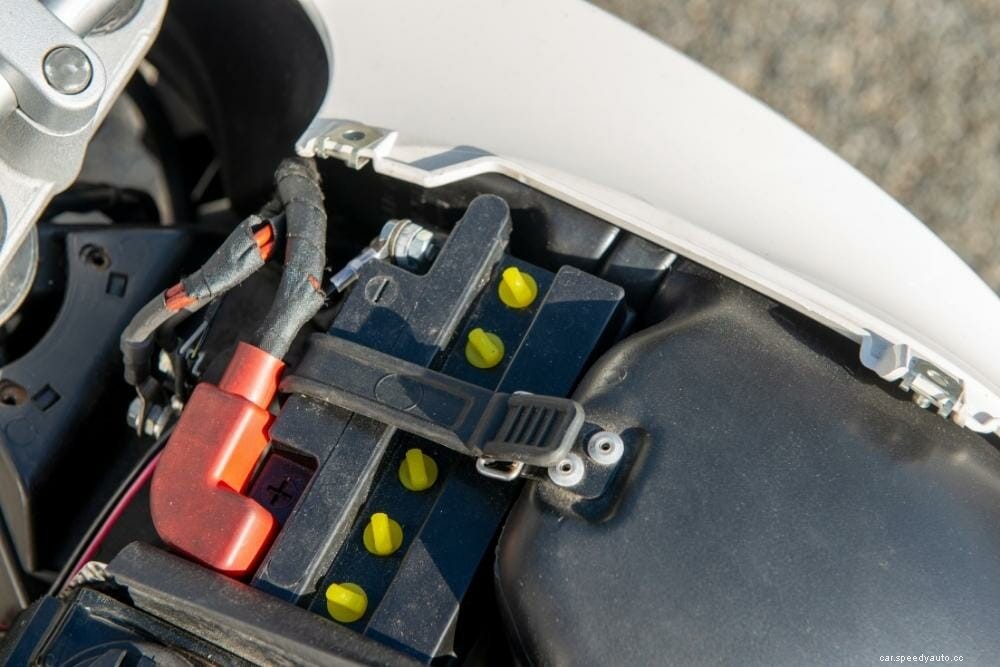
It is a good idea to store your motorcycle battery in a cool, dry place when you’re not using it. This will help prevent any damage to the battery.
It is advised to put antifreeze in your motorcycle if it will be sitting in cold weather for an extended period of time. You can buy antifreeze premixed with water or you can mix it yourself. Be sure to follow the instructions on the bottle, as adding too much or too little can be harmful.
Disconnecting the spark plugs on a motorcycle is a simple process. Here are the steps:
It is a good idea to clean the spark plugs before putting them back in. You can use a wire brush or a spark plug cleaner to do this. Be sure to reattach the spark plug wires in the same order that they were removed. This will help ensure that the spark plugs are firing correctly.
If you have any questions about how to start your motorcycle, please contact a mechanic. They will be able to help you get your bike up and running in no time.
There are a few things you will need to do in order to jump-start your alternator directly:
If your alternator is not charging your battery, you may need to have it replaced. Contact a mechanic for more information.
These are just a few of the things you should know about motorcycle repair. By knowing how to properly diagnose and fix problems, you can save yourself a lot of time and money.
To start a motorcycle that has been sitting you should check the battery first. If the battery is dead, then you can jump-start it using a set of jumper cables. If the motorcycle still will not start, then you should check the fuel system for water.
Repairing water in the fuel system can be difficult, so it is best to take your motorcycle to a mechanic if you are unable to do it yourself. You can also try using starter spray to help start the engine. However, it is important to use starter spray safely and correctly.
The last cause can be bad spark plugs. It’s quite easy to change them, and your motorcycle will appreciate it.
If you live in a cold climate, you should winterize your motorcycle to protect it from the cold weather. This includes checking the oil level, adding a fuel stabilizer, removing the battery, and covering the bike.
You can also disconnect the spark plugs if you will not be using the motorcycle for an extended period of time. By following these tips, you can keep your motorcycle in good condition all year long.
