
What is “accessory mode”? This is a question that a lot of people have asked, and it’s not surprising. Many people don’t know what this mode does, or even what it is. In this blog post, we will explain everything you need to know about “accessory mode.”
“Accessory mode” is a mode that you can put your car in to run devices that are not essential to the car running. It is advised that you don’t leave your car in “accessory mode” for longer than two hours as it can drain your battery.
We’ll answer the question of what it is, what it does, when you should leave your car in this mode, and how long you should have it on. We’ll also provide a detailed conclusion so that you can make the best decision for your needs!
“Accessory mode” in a car is a special mode that is used to power and control devices that are connected to the car’s electrical system. When the car is in accessory mode, the engine is not running and the car is not moving.
This makes it safe to use devices that draw power from the car’s electrical system, such as cell phones, laptops, tablets, and portable DVD players.
In most cars, the accessory mode is activated by turning on the car’s ignition switch on contact (ACC). Some require the driver to press a button or pull a lever that is located near or on the dashboard.
The exact location of this button or lever may vary depending on the make and model of your car. Once the accessory mode has been activated, the car’s electrical system will remain powered on until the ignition switch is turned off.
Some cars also have a special power outlet that is only activated when the car is in accessory mode. This outlet can be used to power devices that are not normally powered by the car’s electrical system, such as a vacuum cleaner or a space heater.
So, now you know what accessory mode is and how to activate it in your car. It’s a great way to stay safe and connected while driving, especially on long trips.
A lot of people are wondering if leaving their car in accessory mode is bad for the battery. The answer to this question is a little complicated.
In general, it’s not a good idea to leave your car in accessory mode for an extended period of time. This is because the car’s electrical system will continue to draw power from the battery even when the devices that are connected to it are turned off. This can drain the battery and eventually cause it to fail.
So, how long can you safely leave your car in accessory mode? Well, that depends on a few factors, such as the make and model of your car, the type of device you’re using, and how long you plan to leave it in accessory mode.
In general, we recommend leaving your car in the accessory mode for no more than two hours at a time. If you need to use the car’s electrical system for an extended period of time, we suggest turning off the engine and moving the car periodically to keep the battery from draining.
The devices that use the most battery power in your car are usually the ones that are plugged into the cigarette lighter. This is because these devices have a high draw of current, which can quickly drain the battery if left on for too long.
Some of the most common devices that use a lot of battery power are cell phones, laptops, and tablets. If you’re using any of these devices while your car is in accessory mode, we recommend turning them off to conserve battery life.
Leaving your car in the accessory mode for an extended period of time can damage the battery. However, this only applies to cars that have a lead-acid battery. If you have a newer car with a lithium-ion battery, you don’t need to worry about damaging the battery by leaving it in accessory mode.
You can also try to push start your car. You do that by following these steps:
You can change your battery. Keep in mind that this is the costliest option. Here’s a step-by-step guide on how to change a car battery:

Finally, if you have no other alternative, you can always call a tow truck.
When it comes to car batteries, one of the most important things you need to know is how to test their health.
Not only will this help you determine whether your battery needs to be replaced, but it can also help you spot any potential problems early on, which can save you a lot of money in the long run. In this guide, we’ll walk you through the steps of how to test a car battery using a multimeter.
What You’ll Need:
Step 1: Disconnect the Car Battery
The first step is to disconnect the car battery. This can be done by loosening the terminal clamps that connect the battery to the car. Be sure not to touch the terminals with your hands, as they may be electrified.
Step 2: Set the Multimeter to DC Voltage
Next, you’ll need to set the multimeter to DC voltage. This can usually be done by pressing a button on the multimeter or turning a dial. The symbol for DC voltage will look like a battery.
Step 3: Test the Battery Voltage
Once you’ve set the multimeter to DC voltage, you can test the battery voltage. To do this, connect the black probe of the multimeter to the negative (-) terminal of the battery and connect the red probe to the positive (+) terminal of the battery. Be sure not to touch either probe to the terminals of the battery.
The voltage reading should be between 12 and 14 volts. If the voltage is below 12 volts, the battery may need to be replaced. If the voltage is above 14 volts, the battery may be overcharged and in danger of overheating.
If you’re not sure what to do with this information, you can always consult a mechanic.
Testing a car battery is a simple process that can help you determine whether your battery needs to be replaced or not. By following the steps outlined in this guide, you’ll be able to accurately test your car’s battery health and take appropriate action if necessary.
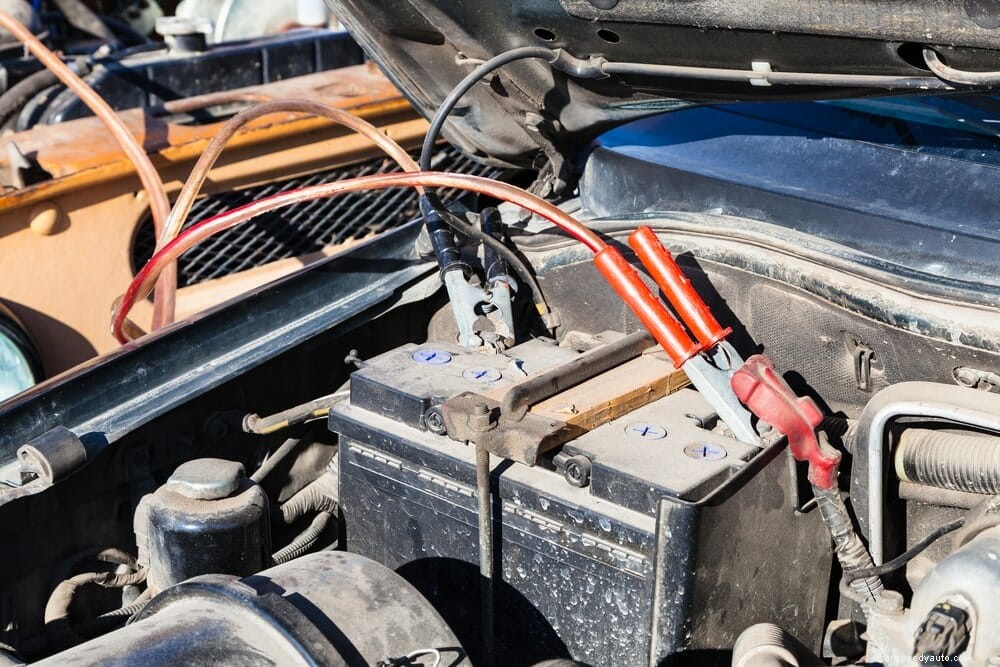
There are a few common symptoms of a bad battery that you can watch out for. If your car is slow to start, has trouble turning over, or doesn’t seem to have as much power as it used to, this may be a sign that your battery needs to be replaced.
You can also test your battery’s health by checking the voltage reading as outlined in the previous section.
If you’re not sure whether your battery is bad or not, it’s always best to consult a mechanic. They’ll be able to accurately diagnose the problem and recommend the best course of action. Thanks for reading!
The average lifespan of a car battery varies depending on several factors, such as the make and model of the car, how often it’s used, and the type of battery. In general, most car batteries last between three and five years.
However, there are some cases where a battery may only last for one or two years.
If you’re not sure whether your battery is still in good condition or not, you can test its health as outlined in the previous section. If it’s determined that your battery needs to be replaced, we recommend consulting with a mechanic to find the best replacement option for your vehicle.
There is no clear answer as to whether or not using accessory mode on your car battery shortens its lifespan. On one hand, using the extra power from the battery can cause it to wear out more quickly.
On the other hand, if you use the battery only occasionally in accessory mode, it may not wear out at all.
Ultimately, there is no definitive answer and it depends on how often you use accessory mode and the overall condition of your car battery. If you are worried about damaging your battery, it is best to consult with a professional to get their opinion.
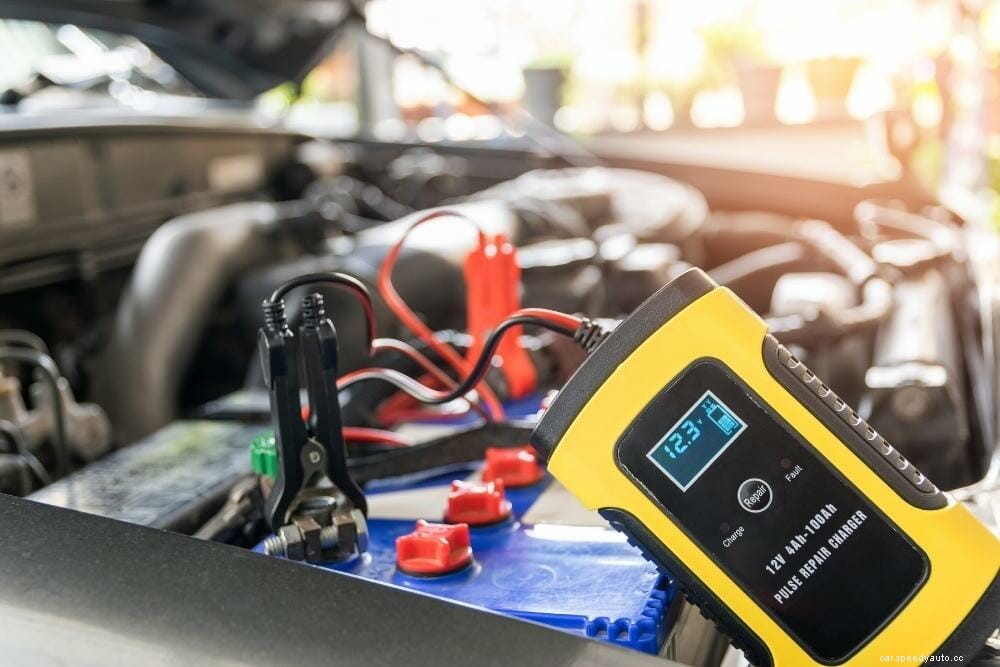
There is a small possibility that using accessory mode on your car battery can damage your ECU. The ECU controls various functions of the car, such as ignition, fuel injection, and emissions control. If this component is damaged, it can be expensive to repair or replace.
However, the likelihood of this happening is relatively low and most people do not experience any problems when using accessory mode on their car battery. If you are worried about damaging your ECU, we recommend consulting with a mechanic to get their opinion.
Leaving your car in accessory mode is a great way to stay safe and connected while being stationary. However, it’s not a good idea to leave it in this mode for an extended period of time.
We recommend leaving it in this mode for no more than two hours at a time. If you need to use the car’s electrical system for an extended period of time, we suggest turning off the engine and moving the car periodically to keep the battery from draining. Thanks for reading!
