
If you have ever spilled oil on your engine, you know how frustrating and difficult it can be to clean up. Not only is it a mess, but it can also be dangerous if not correctly cleaned.
Oil is combustible, which means that it can catch on fire and burn. However, engine oil is designed to not easily catch on fire. If you spill oil on your engine and it ignites, it will likely extinguish itself quickly.
It can also damage your engine paint and plastic, so it’s best to remove it as soon as possible. We recommend the Sonax engine degreaser and cleaner, as it’s the best thing on the market!
In this blog post, we will discuss what happens when you spill oil on your engine and the best ways to clean it up.
Yes, engine oil can burn. When your car’s engine is running, the oil is subject to a lot of heat and friction. This can cause it to break down over time and eventually start to burn.
If you have ever had your car’s oil changed, you may have noticed that the old oil is usually a dark color. This is because it has been exposed to all of the heat and friction and has started to break down.
Oil can catch fire when it spills onto an engine. On the other hand, engine oil is designed to avoid catching fire easily. If you spill oil on your engine and it ignites, it will usually go out on its own in a short amount of time.
However, if there is a lot of oil or the oil catches fire and spreads to other parts of the engine, it can cause serious damage.
If you spill oil on your engine, it can cause a number of problems. First, the oil can damage the paint and finishes on your engine. Second, if the oil is not cleaned up properly, it can attract dirt and debris, which can clog up your engine and cause it to malfunction.
Third, oil spillages can be dangerous, creating a slip hazard. Fourth, oil is also a fire hazard. Finally, if you don’t dispose of the used oil properly, it can pollute the environment.
The best way to avoid these problems is to be careful when pouring oil into your engine and to clean up any spills immediately. Also, be sure to dispose of the used oil properly. Most garages and service stations have special recycling bins for this purpose.
First, blot it with a paper towel to absorb as much as possible to clean up the oil. Then, use a mild soap and water to remove the remaining oil. You may need to use a stronger cleaner if the oil is difficult to remove.
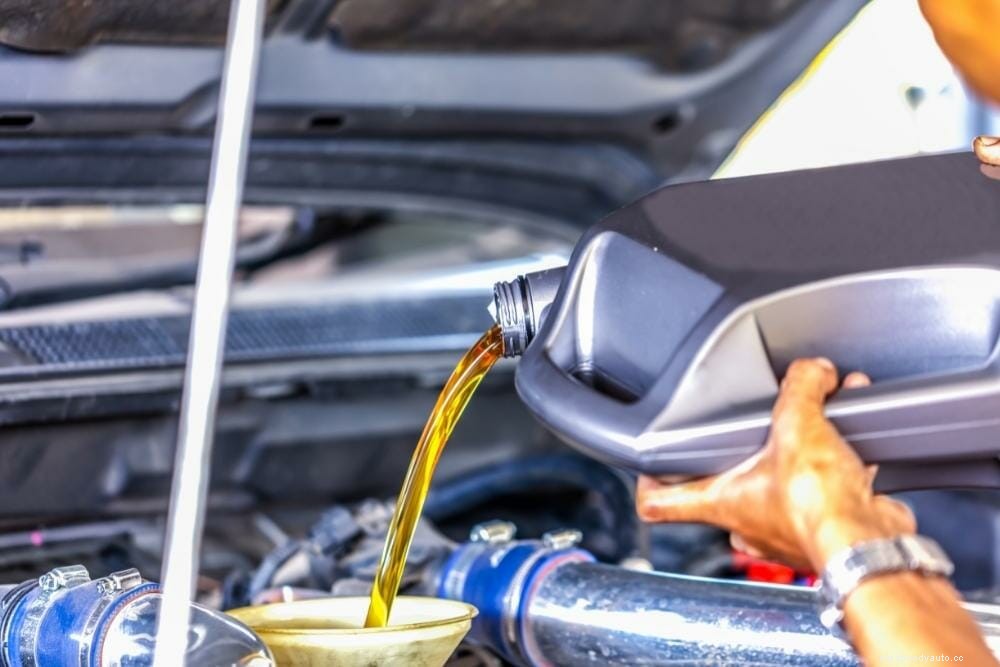
Be sure to rinse the area well after cleaning to remove any soap residue.
You can also use sawdust, cat litter, or cornstarch to absorb the oil. Place the absorbent material on the spill and let it sit for a few hours. Once the oil is absorbed, sweep up the material and dispose of it in the trash.
If you spill oil on your driveway, you’ll need to clean it up as soon as possible. Oil can stain concrete and asphalt, so you’ll want to remove it before it has a chance to set in.
Begin by blotting up as much of the oil as possible with a paper towel or rags. Then, use a mild soap and water solution to remove the remaining oil. You may need to use a stronger cleaner or degreaser for tough stains.
Be sure to rinse the area well after cleaning to remove any soap residue.
If you have spilled oil on your engine, it is important to clean it up as soon as possible. Oil can damage parts of the engine and make it more difficult for the engine to run correctly.
To clean oil from an engine, you will need a few supplies:
First, put on your protective gloves. Then remove as much oil from the engine as possible. This can be done by blotting it up with a paper towel or rags.
Next, use a mild soap and water solution to clean the area. You may need to use a stronger cleaner or degreaser for tough stains.
Be sure to rinse the area well after cleaning to remove any soap residue. Finally, dry the area completely before starting the engine.
It’s important to clean up any oil spills immediately, especially if they happen to your car’s engine. Oil can cause serious damage to an engine if it is not cleaned up properly. Follow these steps to ensure that you clean up any oil spills correctly and avoid costly repairs.
If the oil catches fire, it is important to act quickly. The first thing you should do is turn off the engine. Then, use a fire extinguisher to put out the flames.
If you don’t have a fire extinguisher close, don’t use water to extinguish the flames. Water can spread the fire and make it worse. Try using a cloth or rag to quickly smother the flames.
You can also close the hood and reduce oxygen levels to help extinguish the fire. Once the fire is out, be sure to check the engine for damage. If there is any damage, it is best to take the car to a mechanic to have it fixed.
Once the fire is out, you can assess the damage. If the fire was small and contained to one area, you may be able to clean it up and continue using your car. However, if the fire damages multiple parts of the engine, it is best to take it to a mechanic for repairs.
Once the fire is out, you will need to have the car towed to a mechanic or dealership. The fire may have damaged parts of the engine that will need to be repaired or replaced.
If there is an oil leak, the engine may overheat and cause smoke. If you see smoke coming from your car, it is best to take it to a mechanic to have it checked out.
An oil leak can also lead to engine fires, so it is important to fix any leaks as soon as possible.
If you have an oil leak, you may notice that your car’s engine is smoking. This is because the leaked oil is causing the engine to overheat. If you see smoke coming from your car’s engine, it is important to take it to a mechanic right away so they can fix the problem.
If you’re a car owner, it’s important to know how to properly pour oil into your engine. Not only is this a crucial step in maintaining your vehicle, but it can also help prevent costly repairs down the road.
It’s important to change your car’s oil regularly to keep it running smoothly. Here’s a step-by-step guide on how to do it:
By following these simple steps, you can keep your car’s engine in good condition and prevent costly repairs down the road.
Oil spills can happen anywhere, at any time. They are a serious threat to the environment and human health. Oil spills can cause extensive damage to marine life and habitats, as well as pollute our drinking water.
There are many ways to prevent oil spills, but the most important thing is to be prepared. The first step in preventing oil spills is to have a plan in place. This plan should include:
If an oil spill does occur, the following steps should be taken:
By following these steps, you can help prevent oil spills and minimize their impact on the environment.
If you spill oil on your car, it’s important to clean it off as soon as possible as it can damage engine paint. If you don’t, the oil can damage the paint. It can also be difficult to remove once it’s dried.
To clean oil off your car, you’ll need to use a degreaser. You can buy a degreaser at most auto parts stores. Once you have the degreaser, follow these steps:
If you don’t have a degreaser, you can also use dish soap. Simply wet a rag with dish soap and water and scrub the area where the oil is. Rinse the area with water and dry it off with a towel. Wax the area to protect the paint.
You should check your engine oil level at least once a month. If you drive in stop-and-go traffic or make a lot of short trips, you should check it more often.
If you go over the recommended mileage for an oil change, your car’s engine will start to build up sludge. Sludge is a mixture of oil and dirt that can clog your engine and cause it to malfunction.
Yes, you can put new engine oil in an old car. However, it’s important to use the right type of oil for your car. Consult your owner’s manual to find out what kind of oil is best for your car.
Yes, the oil will evaporate. However, it can take a long time for all of the oil to evaporate. It’s important to clean up any spilled oil as soon as possible.
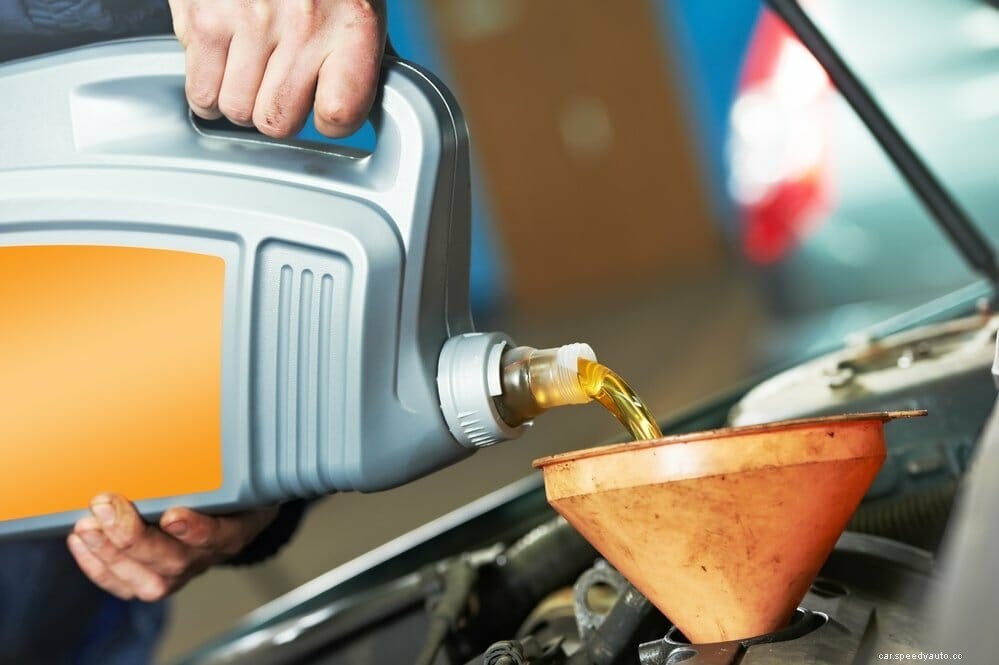
Yes, too much oil can start a fire. If you’re changing your own oil, be sure to dispose of the old oil properly. Do not pour it down the drain or leave it in an open container. Take it to a recycling center that accepts used oil.
There are several ways to tell if your car needs an oil change. One way is to check the color of your engine oil. If it’s black or dark brown, it’s time for a change.
Another way is to check your owner’s manual. It will have a schedule for when you should change your oil. Finally, you can take your car to a mechanic and have them check it. They can tell you if it’s time for a change.
It’s important to change your oil filter because it helps to remove impurities from your engine oil. Over time, these impurities can build up and clog your engine. A clogged engine can lead to poor performance and decreased fuel efficiency.
Engine oil is essential for your car to run properly. However, it is also important to be careful when handling and storing it. If you spill oil on your engine, be sure to clean it up immediately and dispose of the used oil properly, as it can damage the paint or even start a fire. We recommend Sonax engine degreaser and cleaner to safely clean oil spills.
