
Let’s start this article by stating the only thing you should be putting into your gas tank is gas! If your vehicle runs on diesel, make sure you are only filling it up with diesel, and the same goes for gas.
There is no need at all to be putting anything other than fuel into your car’s gas tank. Certain substances may only cause minor problems when added to your gas tank, but others can cause major damage and may completely ruin your engine.
Adding anything other than gas to your gas tank is not recommended and is completely unnecessary. Unfortunately, there are people who choose to play cruel practical jokes and pour household substances into car fuel tanks.
You may have heard myths about people destroying engines with bleach or sugar but how damaging are these substances to your car engine? In this article, we share 9 of the worst things to put in a gas tank and explain exactly what damage they may cause.
The only liquid that should ever be put into your gas tank is gas. Unless it is electric, your vehicle will be run by either gasoline or diesel and it is essential you put the correct fuel into the tank. It is possible to destroy a car engine by adding any other substance to the tank.
Sugar and soda can clog up the fuel filter and cause engine failure and if bleach is poured into the gas tank, it can corrode the metal and rubber parts of the engine as it circulates with the fuel. Even water can cause damage to a car engine.
Water can cause the engine to come away from the engine mount and this can cause misfires and low engine power. The engine may suddenly fail when you are in the middle of driving on a busy road.
Other substances that should not be put into the gas tank include salt, hydrogen peroxide, brake fluid, urine, antifreeze, and honey. It is also possible to destroy an engine by adding too much engine oil.
Unfortunately, cars are not immune to acts of vandalism and while some criminals choose to go down the more obvious route – slashing tires and smashing windshields – other people may decide to be a little more subtle and creative.
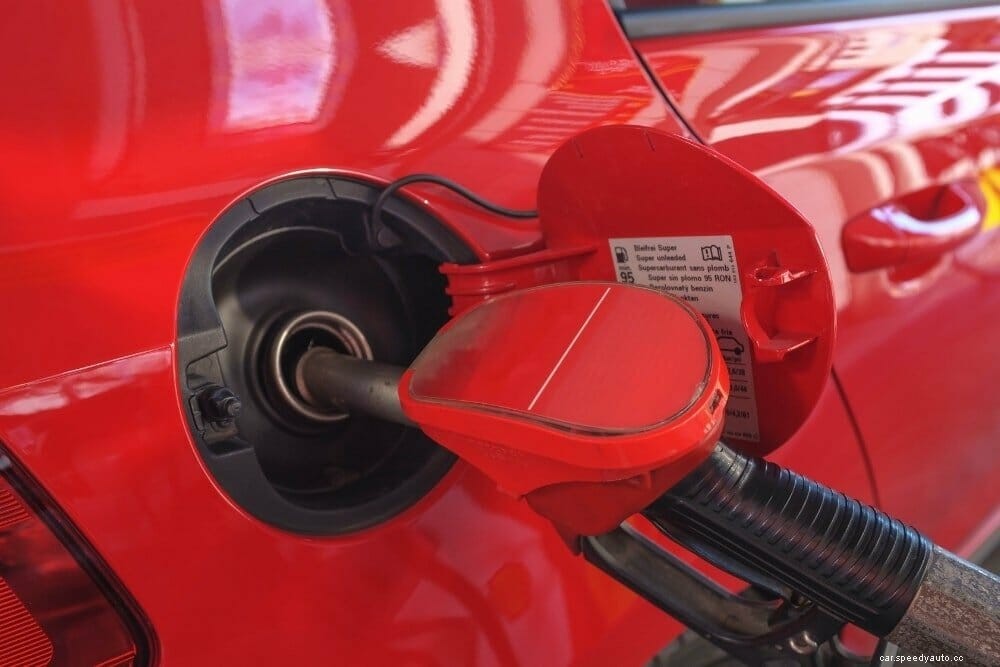
It is possible to totally destroy a car by pouring a substance other than fuel into the vehicle’s gas tank.
Tampering with a person’s car may be an act of revenge or a random crime. Regardless of the motive, purposefully tampering with and damaging someone else’s property is a criminal offense. Criminal damage can land offenders with a fine or jail time.
If you are thinking of putting something into someone else’s gas tank, we advise you to reconsider as it can not only ruin their engine but get you into a lot of trouble too.
However, if you have a curious mind and are interested to know what substances can’t be put into a car gas tank, keep on reading.
A vehicle’s gas cap is exposed to all and even ones with locking mechanisms can be broken into. Unfortunately, this means if someone wants to put something into your gas tank, they will be able to do so and you may not even realize it.
There may not be any visible signs of tampering with your gas cap, but there are other ways that drivers can tell if someone has put something in their gas tank. Depending on what has been put into your gas tank, the issues with your vehicle may vary.
However, here are some of the most common signs that someone has put something in your gas tank:
If you are having difficulty starting your car or are noticing any of the above problems, there may be something contaminating your fuel tank.
Whether you have curious kids or you are considering putting some kind of cleaning products into your car’s gas tank, it is important to know that anything other than fuel can cause damage to the car’s engine.
However, certain substances will cause more severe damage, in a shorter space of time.
Here is a list of eight of the worst things to put into a car gas tank.
You may think putting water into your gas tank wouldn’t cause any problems. After all, it’s just water, right? The truth is, that water can completely ruin a car’s engine.
If water is in your fuel tank you may notice your car is not accelerating as quickly or as smoothly as it should. This can be extremely hazardous, especially if you lose acceleration quickly on a fast-moving road.
Water may not cause problems straight away and this is why it is so dangerous.
You can be driving and completely unaware anything is wrong and then suddenly your car may begin to fail. Water can also separate the engine from the engine mount, this could happen suddenly and cause an accident.
If water gets into the cylinders, your car engine can completely seize and it will only take a small amount of water to cause damage to your vehicle.
The main sign that water has been put into your fuel tank is your car will not perform as it should. You will not be able to accelerate easily and you will notice your car is much slower than usual.
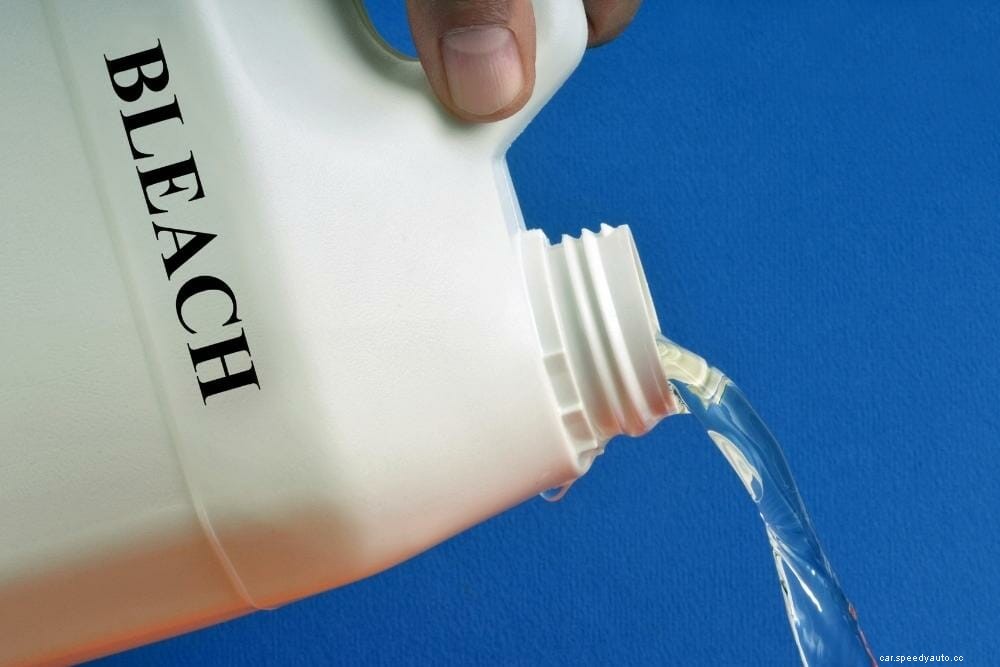
Bleach is great for cleaning around the home but should not come anywhere near your car’s gas tank. You can put bleach into a gas tank and not notice any adverse effects immediately.
However, bleach can cause damage when left in your fuel tank over time. Bleach is a powerful chemical and it can corrode the rubber and metal inside a car engine.
Also, as bleach has high water content, you will notice similar issues as when water is put into the gas tank. When the bleach is put in the tank with fuel, over time the engine will start to try to run only on the bleach and this can cause the car to lose power and not run as quickly or smoothly as it should.
Bleach can severely damage your vehicle’s engine and the corrosion caused can be very expensive to repair. When bleach is left undetected in a car engine, you may end up having to pay for expensive parts replacements.
Hydrogen peroxide is another chemical that you want to keep far away from your car’s gas tank. When combined with fuel, hydrogen peroxide looks like nitrous oxide and the mixture can increase the mixture burn rate inside the engine.
If the fuel burns too hot, this can cause the engine to become too hot and this can cause damage to the components inside.
The hydrogen peroxide and gas mixture may look like a nitrous oxide system and it can make your car run much faster in the short term.
However, the hydrogen peroxide can cause your engine to get far too hot in a short space of time, this can cause the engine to completely overheat and get destroyed.
If you are tempted to put hydrogen peroxide into your car to boost your speed, we strongly advise against this. The damage hydrogen peroxide can cause, far outweigh any of the benefits of increased power and speed.

Soda like Coke can be lethal for your car’s engine. There is a lot of sugar in regular Coca Cola and other ingredients that make up this soda can be extremely damaging to your car’s engine.
The sugar and other components in the soda will create a sludge-like mixture when combined with the fuel in your gas tank.
When Coke gets into your gas tank, the sugar can clog up the fuel filter and when the fizzy drink circulates around the engine it can impact the car’s overall performance.
If you notice your car’s exhaust fumes don’t look normal, this is a good indicator that there may be soda mixing with the gas in your tank. A small amount of coke is unlikely to cause noticeable problems, especially if your tank is full of fuel.
However, as you increase the amount of Coke in the fuel tank, the potential damage to your engine will increase.
When a fizzy drink has been put into your fuel tank, you may need to take your car to a mechanic so they can check the extent of the damage, flush the intakes and replace any parts that are beyond repair.
Here is a YouTube video showing exactly what happens when you put fizzy drinks into a car’s fuel tank:
It is not just other fluids that can cause issues when poured into a car’s gas tank. When sugar is put into your gas tank it will not cause any immediate damage, it will just sink to the bottom of the tank like sand.
Sugar will not dissolve or mix in with the fuel but it can still cause problems in the long term.
If enough sugar is put into the gas tank, over time the sugar can clog up the fuel filters. Eventually clogged fuel filters will stop fuel from moving freely from the tank through to the engine and this can cause misfires and poor acceleration.
It is a myth that sugar granules will completely destroy an engine, but by clogging up the fuel filter, sugar can cause serious issues with your car’s performance.
To remove sugar from your car’s system, you will need to have the engine professionally cleaned. A mechanic can clean the pipes, intakes, and filters to remove any built-up sugar sediment.
Putting antifreeze in your car’s gas tank may seem like a good idea to keep your engine cool, but you should never do this! Antifreeze is for your car’s radiator and needs to be put in the correct place, adding it into your fuel tank is going to cause avoidable damage.
When regular antifreeze is poured into the gas tank, it can circulate with the fuel around the engine and cause several problems. You may notice your vehicle is spluttering more when you try to start it and when it is idling.
If there is antifreeze in your car, as you continue to drive more and more problems will arise, it is important you get a professional to drain your fuel tank as soon as possible.
There is a specific gas-line antifreeze that can be put into the gas tank to avoid any liquid from freezing inside the tank. However, this is the only antifreeze you can put in your gas tank, regular antifreeze must only be poured into the car radiator and nowhere else.

Salt may not be a criminal’s first choice if they want to destroy an engine, but it is capable of causing considerable damage to your car. Like sugar, when salt is poured into a vehicle’s gas tank, it settles on the bottom.
Over time, the built-up salt can cause corrosion and the small grains can build up inside the fuel pump and filter.
Whenever the fuel filter becomes blocked, fuel can not move as it should from the tank into the engine combustion. When this happens your engine may misfire, have poor performance and fail to start altogether.
A clogged filter can also lead to your engine overheating and if the temperature rises too much, your engine may suffer a complete meltdown.
You have probably noticed a common theme by now, no fluid other than gas should be going into your gas tank! If you accidentally put brake fluid into the fuel tank, you will notice a strong chemical smell while you are driving.
Many brake fluids are silicon-based and this component can cause the oxygen sensors to degrade and may also cause damage to rubber parts inside the engine.
However, a small amount of brake fluid will just dilute in a tank full of fuel and you may not notice any adverse effects. If there is not much fuel in the tank and you then add a large amount of brake fluid, this is when you may start to notice some problems.
Trying to run your car on brake fluid alone will cause the engine to misfire. have difficulty starting and, eventually, it will break completely. If you suspect your tank is full of brake fluid, take it to a mechanic immediately to have the fuel tank drained.
This YouTube video shows exactly what happened when brake fluid was added to a car’s fuel tank:
We have saved the most obvious culprit until last – the wrong fuel. Putting the wrong fuel into your car’s tank is the easiest and most common way to destroy your engine, via the fuel tank.
When you put diesel into a regular gas-run car or vice versa, you must not start the engine. As soon as you turn your car after filling up with the wrong fuel, the gas or diesel will circulate around the engine and begin to cause problems immediately.
Putting the wrong fuel in your car can cause expensive damage to your engine and put you in danger too. If you drive your car with the wrong fuel in it, there will be damage caused to your entire fuel system, including the pump, filter, and pipes in the engine.
If you realize you have put the wrong fuel in your car, don’t start the engine. Firstly you are going to need to push your car to a safe spot at the gas station and then call for a professional.
Roadside assistance or a car recovery service will be able to come and drain your fuel tank and remove any contamination.
If you did accidentally start your car with the wrong fuel in the tank, once the system has been drained, you will need a professional mechanic to check inside all the engine components for any damage that may have been caused.
Yes, bleach can destroy a car engine. Bleach is a harsh chemical mixture than can circulate with fuel around a car engine and cause corrosion. As there is water in bleach, you will notice similar issues as when water is added to a car’s fuel tank.
Bleach can cause your engine to misfire and have difficulty starting at all. The longer bleach is left inside your engine, the more problems it can cause.

Anything other than fuel has the potential to cause damage to your car when poured into the gas tank. However, certain substances can cause more damage than others. The worst things to pour into someone’s gas tank include bleach, fizzy drinks, water, and hydrogen peroxide.
Any substances that will clog up the filter or overheat the engine should not be poured into a car’s gas tank.
It is possible to tell if someone has put water into your vehicle’s gas tank. There are several signs that your fuel tank may be contaminated, these include engine misfires, engine overheating, slow acceleration, white steam from the exhaust, and complete engine failure.
You will notice that your car is not idling as smoothly as normal and the performance will not be to the standard that you are used to.
A mechanic will be able to tell if someone has put sugar in your gas tank by inspecting the fuel system in your car. There may be sugar granules in the filler neck or built-up in the bottom of the fuel tank.
By taking a close look at the filters, a mechanic will be able to see if sugar has been poured into your fuel tank or not.
Gas can be expensive and the movies have shown us you can run a car on moonshine, but is this true? For a car to run on moonshine, the alcohol would need to be extremely strong – around 150 – 190 proof.
Whilst ethanol is used in gasoline, you can’t expect any alcohol to power your car. The higher the potency, the more chance you have of running a car on moonshine.
It is easier to destroy an engine than you may think, you just need to gain access to the fuel tank.
There are several household substances that can cause significant damage to a vehicle when poured into the gas tank and they end up in the engine. The worst things to put in a gas tank include bleach, water, hydrogen peroxide, sugar, and soda.
Anything other than fuel has the potential to damage your car’s fuel tank, filters, and engine. Urine, honey, salt, and cleaning products can all wreak havoc on the fuel tank, filter, and pipes in the engine.
Some substances can cause problems quite quickly, whereas others can gradually corrode and damage the engine components over time.
If you think someone has put something in your car’s gas tank, you need to take your car to a mechanic. The fuel in your tank will need to be drained and, depending on the extent of the damage, there may be parts in your engine that need to be repaired or replaced.
