
An ABS sensor is a type of tachometer that measures the speed of a wheel and sends this information to the ABS control unit. The control unit uses this information to determine if one or more wheels are locking up and about to skid.
If the control unit detects a skid, it activates the ABS system which pulses the brakes on and off very rapidly. This prevents the wheels from locking up and the vehicle from skidding.
The easiest way to tell if an ABS sensor is bad is to scan the vehicle for codes. ABS codes will usually begin with the letter C. If you have a code reader or scanner, you can plug it into the OBD-II port and check for fault codes that will the speed sensor that has failed.
In case you have a multimeter, you can test the ABS sensor to see if it’s working properly. To do this, you’ll need to remove the sensor from the car and connect the multimeter leads to the sensor terminals.
When the sensor is working properly, you should see a reading of around 0.45-0.55 volts. If the reading is higher or lower than this, the sensor is most likely defective and will need to be replaced.
Another way to test the ABS sensor is to place a magnet on the tip of the sensor. If the light on your dash comes on, then the sensor is working properly. If not, then it’s most likely defective and will need to be replaced.
When testing an ABS sensor, there are a few things you need to keep in mind.
If you find that the sensor is bad, then you will need to replace it. Replacing an ABS sensor is not a difficult task, but it is important to make sure that you get the correct replacement sensor for your vehicle.
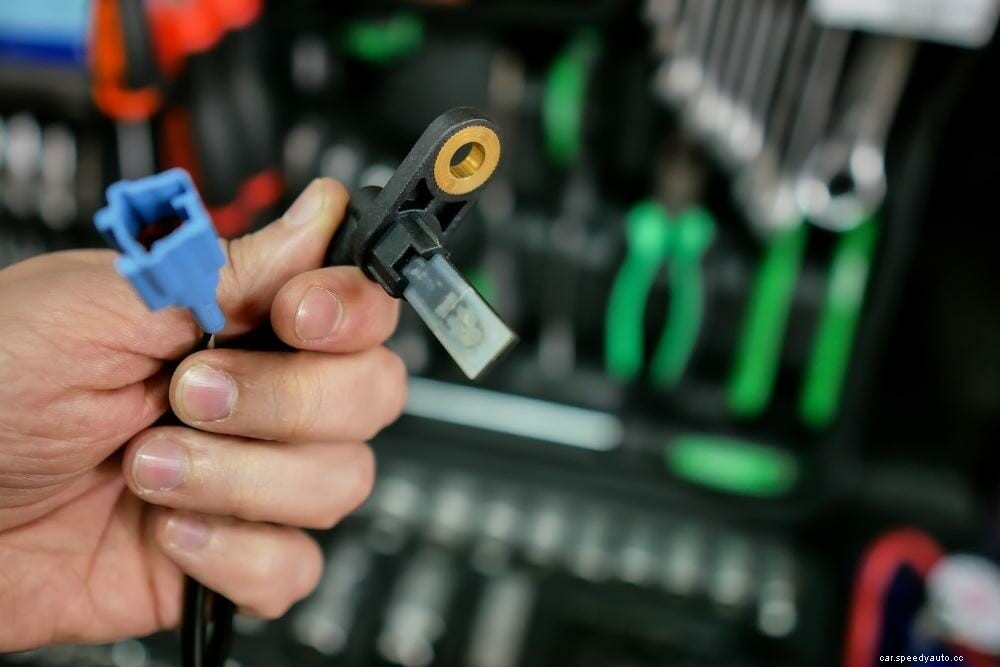
To test an ABS sensor with an ohmmeter, you’ll need to remove the sensor from the vehicle and connect it to the meter. Once it’s connected, you’ll need to check the resistance of the sensor. If the resistance is too high or too low, then the sensor is most likely bad.
Yes. Autozone will read your ABS codes for free. All you have to do is drive your car into the store and ask one of the workers. They’ll hook up a special machine to your car’s computer and it will print out a list of codes. These codes can tell you what’s wrong with your ABS system.
The average cost to replace an ABS sensor is between $142 and $172. This price includes the cost of the sensor, labor, and other fees. The total cost will depend on the make and model of your vehicle. For example, a sensor for a Ford F-150 will cost more than a sensor for a Honda Civic.
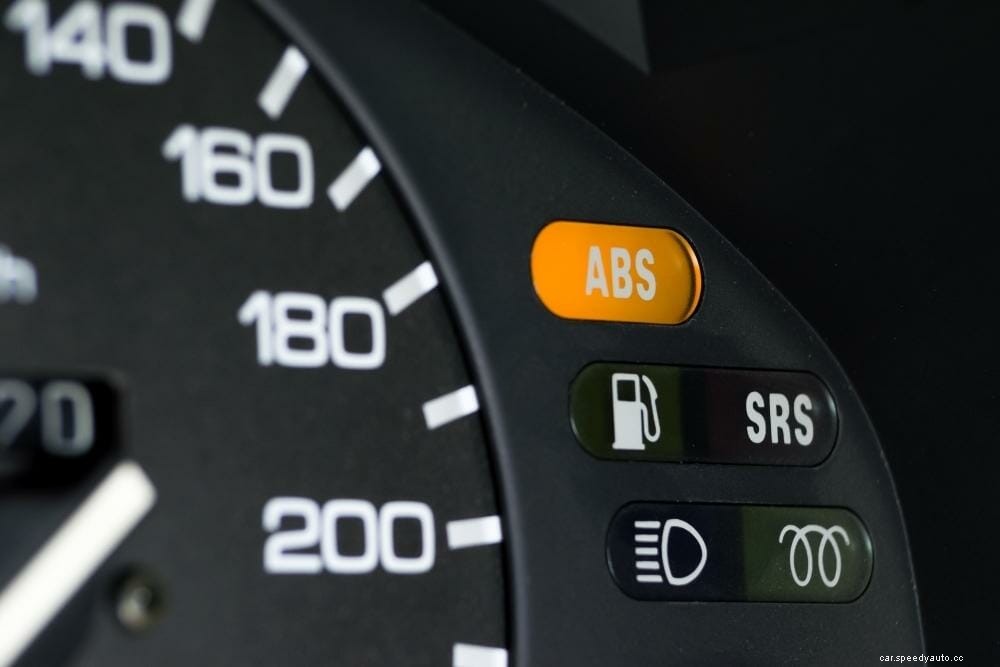
ABS stands for the anti-lock braking system. If your car has this feature, then you have an ABS sensor. The purpose of the sensor is to monitor wheel speed and send a signal to the ABS controller if one of the wheels is about to lock up.
The controller will then activate the ABS pump and release some brake fluid pressure to prevent the wheel from locking.
The ABS sensors are located on each wheel rotor. There is one sensor on the front left wheel, one sensor on the front right wheel, one sensor on the rear left wheel, and one sensor on the rear right wheel.
The job of the ABS sensors is to monitor the speed of the wheels and to send a signal to the ABS controller if a wheel is starting to slip or skid.
When one or more of your ABS sensors fail, it can cause several problems. For one, the ABS warning light will illuminate your dashboard. This is to alert you that there is a problem with the system.
Additionally, your vehicle may have reduced braking power, and in some cases, the ABS system may not work at all. This can be extremely dangerous, so it’s important to be aware of the symptoms and get your vehicle to a mechanic as soon as possible.
There are a few reasons why your ABS sensor may go bad. The most common reason is due to dirt and debris buildup on the sensor. Over time, this can cause the sensor to become less sensitive, and eventually stop working altogether.
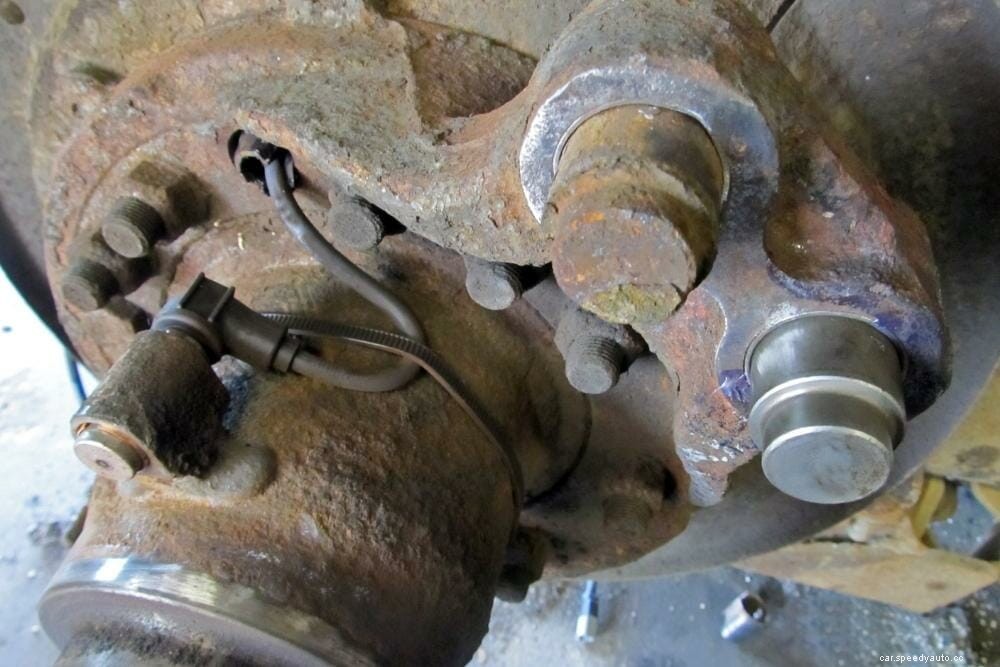
Another common reason for ABS sensor failure is due to corrosion. If your vehicle has been exposed to saltwater or other corrosive materials, the sensors may become corroded and fail.
In some cases, physical damage can also cause an ABS sensor to go bad. If you’ve been in a collision or had another type of incident where the sensors were damaged, they may no longer be able to function properly.
In case your car has an ABS light on and you’ve been told that one or more of your ABS sensors are bad, you may be wondering if you can clean them instead of replacing them. Yes, you can clean an ABS sensor and have it work properly again.
However, you should know that ABS sensors are made to very precise tolerances and they are calibrated at the factory. You should not use chemicals or abrasives on them. The best way to clean an ABS sensor is with compressed air.
You can use a can of compressed air or an air compressor. If you use a can of compressed air, hold it upside down so the propellant doesn’t freeze the sensor and blow the sensor off with dry, filtered air.
Use about 30 psi and hold the sensor about six inches from the tip of the nozzle. Again, make sure all the dirt and grime are gone before putting everything back together.
Once you’ve cleaned your sensors, clear any codes that may be stored in your computer and see if the light goes out. If the light doesn’t go out, then you may have a bad sensor that needs to be replaced.
ABS sensors are built to last for 30,000-50,000 miles. However, they can go bad prematurely if they become dirty or corroded. Additionally, if you’ve been in an accident or had another type of incident where the sensors were damaged, they may not last as long.
To tell if your ABS sensor is bad, you can use a diagnostic tool to check for fault codes of the wheel sensors that have failed, or you can visually inspect the sensors.
If your ABS light is on, it’s important to get your vehicle checked out as soon as possible as it can be dangerous to drive with a faulty ABS system. You can clean your ABS sensors, but in most cases, it’s best to replace them.
