
If you’re like most drivers, you probably don’t give much thought to your car’s driveshaft. But if it breaks while you’re driving, you’ll definitely start thinking about it! This article will tell you what happens when your drive shaft breaks and how to handle the situation.
A drive shaft is one of the most common components in an automobile driveline, connected with the transmission (gearbox) and transfer case (in four-wheel drives).
The “driveshaft” carries the torque from the engine to the rest of the drive train (the parts that make your car move), it’s basically a long metal pole that rotates on bearings.
These are usually made out of alloy steel, bimetal, or chrome vanadium, while some automakers opt for carbon fiber, titanium, or aluminum. Driveshafts can vary in length depending on different factors such as performance needs and space availability inside the vehicle’s frame/body.
The most common cause of failure is age. The average life span of an American car is around 11 years. Driveshafts made before 2000 didn’t have the hardening and protective coatings they do today. But there are some other culprits as well.
Another reason is accidents. Frequently, if a car hits another car or objects with its rear wheels (like when you back into something), the impact can cause the driveshaft to break. The same thing goes for hitting a curb – that shock alone has been known to ruin drive shafts.
Another possible trouble spot: certain types of drive shafts used in trucks and SUVs aren’t properly treated against corrosion from road salt, which can lead to their failure after a few years on your vehicle.
Hitting potholes and curbs also increases the risk of damage to them, because they’re positioned underneath weaker areas of the car, which are easy to hit.
Driveshaft failures are often the result of a worn or damaged U-joint. A drive shaft consists of a metal tube with a splined connection on each end…. one is connected to the transmission and the other is connected to the differential.
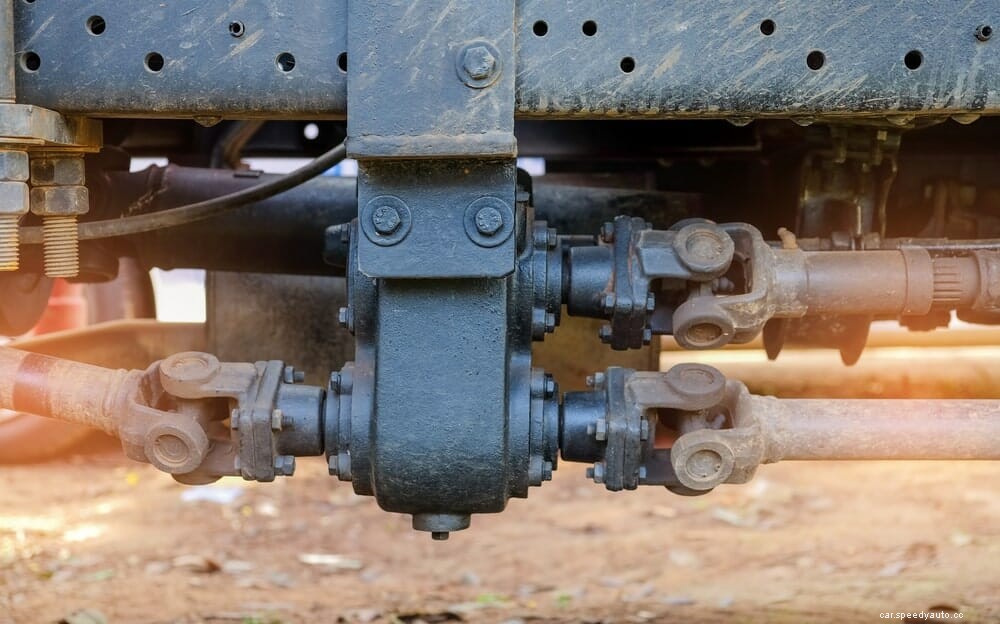
The universal joints allow each half shaft to flex as needed while transferring power from the drive train to your wheels. If any of these components are not operating correctly it can cause excessive force that will eventually lead to failure.
The most common signs that you have a failing driveshaft include:
This usually means that the U-joints in your driveshaft are worn out or damaged. This can also indicate that some components are coming loose inside your transmission, which may eventually cause more damage.
If you hear grinding or growling sounds when gears change this could indicate interior transmission problems or a damaged U-joint. Your vehicle will likely sway excessively to one side.
Again, this is usually the result of excess stress on the driveshaft itself due to any number of potential causes; your universal joints might be worn out (causing them to slip), the CV joints could be shot, or there may be too much slack in your driveshaft due to excessive play between moving parts.
This sort of problem cannot only cause further drivetrain damage, but it can also become extremely dangerous – if left unattended, eventually the entire front half of the drivetrain could break apart, which would render your vehicle inoperable.
This might not produce a noticeable vibration or noise, but it can be a sign that something is seriously wrong with your driveshaft. If you inspect your driveshaft and notice either of these problems, have it replaced immediately.
Even if there are no external signs of serious wear or damage, sometimes cracks develop inside metal tubing – again, this usually means that some sort of internal component needs to be replaced before further failure occurs.
Unfortunately by this point, it may already be too late – replacing a severely cracked shaft will require removing other components from the front end as well, which can be a major undertaking.
If you notice any of these signs, take your vehicle to the nearest mechanic as soon as possible. An early diagnosis and replacement of a potentially dangerous or otherwise faulty driveshaft will likely save you money in the long run!
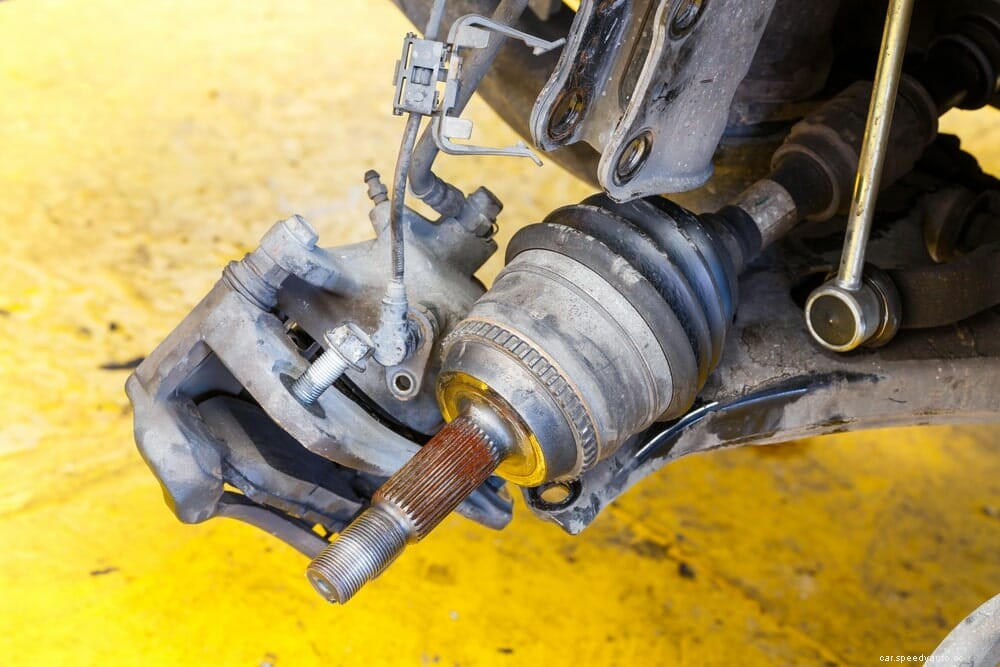
If it breaks, then you can expect to have a very bad day. It could happen on any car, anytime. In most cases, your car will just come to a full stop. But in more serious cases you can also experience this:
When your drive shaft breaks while driving – especially near the rear axle – it will knock out your ability to control the vehicle.
The torque reaction of the broken drive train will cause everything behind the transmission to move backward and upwards violently as soon as you press on the gas pedal because all of a sudden there isn’t going to be anything left holding your car down.
One second you’re driving along at a nice, comfortable speed and the next second everything behind your transmission is violently hitting the road while things up front are being thrown in all other directions. It’s not going to be fun for any of you involved.
If the rear axle hits something while it’s moving upwards it will fling your vehicle into whatever it’s facing – usually another lane of an oncoming car or perhaps even off of a bridge or into oncoming traffic if that happens to be where you end up rolling over.
The bottom line is that there isn’t much room for anything good to happen after your drive shaft breaks while driving, making this one of the worst things you can expect to have happened during your day.
People around you are going to have a bad day too. Broken drive shafts tend to send other cars flying, so if your broken drive shaft is responsible for throwing another car into the oncoming lane where it smashes into an oncoming car – well, you can probably expect some really angry people at your door later.
Accidents caused by parts of your car breaking off will be assigned fault based on who was closest to the point of impact, which means that you’ll be blamed for causing damage to other drivers’ vehicles even though their part broke off and sent them into traffic.
That’s why you always want to make sure that all of the moving parts are inspected regularly. You never know when something might break unexpectedly during your drive even in your favorite car.
If you do break a driveshaft while driving, then you’re going to want to pull over as quickly as possible and try to get the vehicle out of traffic. At that point it will be like having a broken arm – it’s not going to kill you anytime soon but there’s no sense in making it worse with all that flying metal smashing into things around you.
If you can’t keep control of your car while pulling over, then try turning off the engine instead of pressing on the brakes so that the torque reaction doesn’t cause more damage behind your transmission.
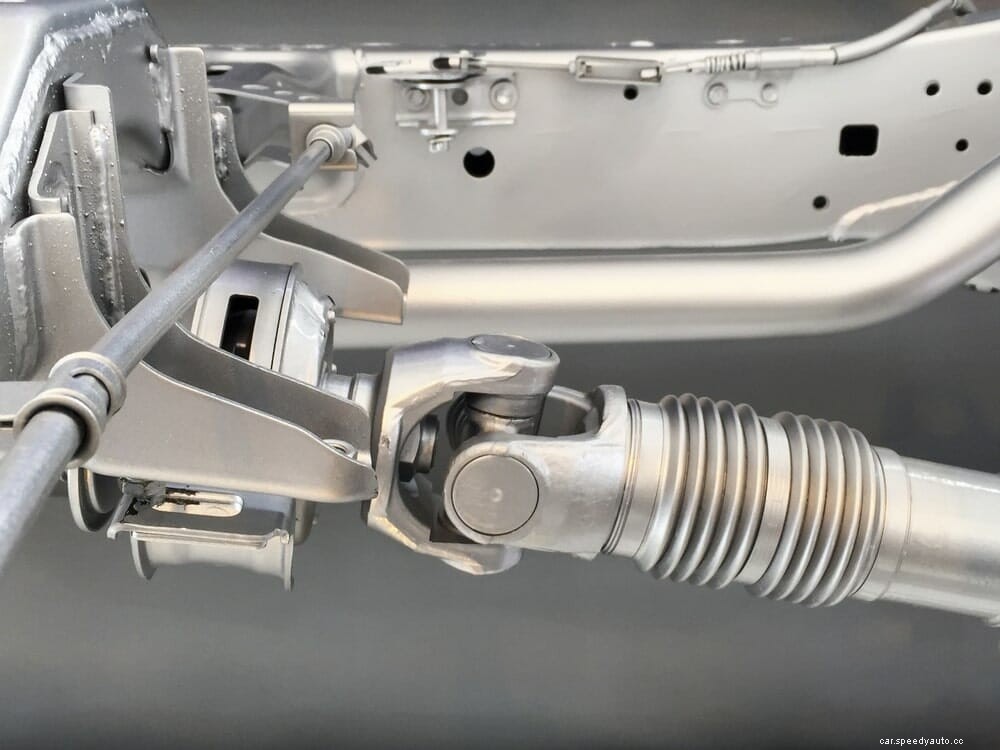
The best way to avoid driveshaft damage is to have it inspected regularly. All of the moving parts in your car are under a lot of stress, and as we all know – things tend to break when they’re stressed. By catching any potential problems with your driveshaft before they turn into a full-blown disaster you can save yourself a lot of time, money, and trouble.
And if you do end up breaking your driveshaft while driving, then try to remember these tips so that you can minimize the amount of mayhem caused by your broken car part:
It depends on the car, but usually between $200 and $800.
There are many things that can cause driveshaft damage, from hitting a pothole to running over something in the road. It’s important to have the part inspected regularly to avoid any problems.
It depends on the damage, but oftentimes a drive shaft can be repaired. Speak to a mechanic to find out if this is an option in your case.
No, repairing a drive shaft requires specialized knowledge and tools that most people don’t have access to. It’s best to leave this job to the professionals.
It depends on the car, but usually between 50,000 and 100,000 miles. Again, it’s important to have it inspected regularly to avoid any problems.
If your driveshaft breaks while driving, then you can expect a lot of damage – to yourself, to other drivers, and to your car. The best way to avoid this is by having the drive shaft inspected regularly and making sure that all of the moving parts are in good condition.
If something does break, then try to remember these tips so that you can minimize the amount of damage caused. Stay safe out there on the roads!
