
What does it mean when you put a car in park? P is the most common symbol on an automatic gearbox, and it stands for “park.” But what exactly happens when you put your car into “Park”? Will it stop moving or will it keep going?
Putting your car in park while driving can cause damage to the transmission. The car will try to change gears, but since the transmission is locked, it won’t be able to. This can cause the gears to grind and eventually break.
Thankfully, modern cars have security measures that won’t allow this to happen and your car will just shift back into drive.
In this article, we will explore what happens when you put a car in park. We will also discuss how to use the parking brake to prevent your car from rolling away.
An automatic gearbox is a type of transmission that uses a torque converter to change the speed and torque of the engine. The gearbox contains planetary gears which determine the gear ratio.
The gearbox also has a set of clutches and brakes that control the amount of power that is sent to the wheels. When you press down on the accelerator, the torque converter multiplies the engine’s torque. This increases the speed of the vehicle.
The planetary gears then start to rotate and they select the appropriate gear ratio. This sends power to the wheels and increases the speed of the car.
When you release the accelerator, the brake discs clamp down on the rotor which slows down the car. The clutch discs disengage from each other and this stops power from being sent to the wheels.
There are three different types of gearboxes: manual, automatic, and semi-automatic. In this article, we’ll only cover the automatic gearbox.
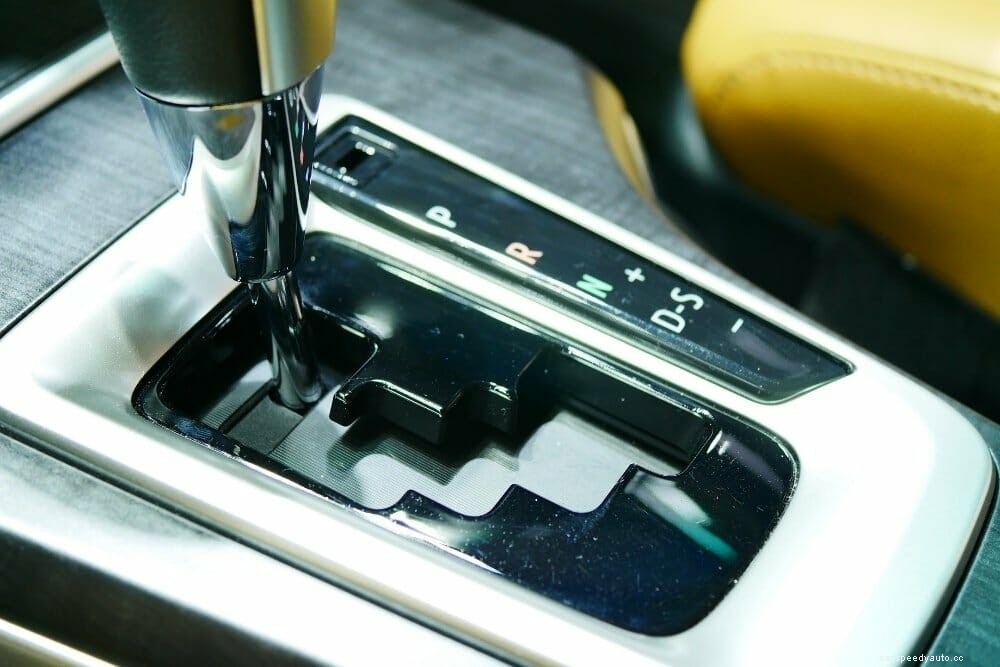
Automatic gear shifters have letters like R, N, D, and P. These letters indicate the gears that are available on the car.
Putting your car in park while driving can cause damage to the transmission. The car will try to change gears, but since the transmission is locked, it won’t be able to. This can cause the gears to grind and eventually break.
It is not recommended to put your car in park while driving unless you are at a complete stop and need to lock the transmission.
Most cars these days have an electronic park system that won’t allow you to put the car into park while it’s moving.
The good news is that doing so in newer automobiles is far more difficult. Newer cars have a safety mechanism in place that keeps the parking pawl immobile when a vehicle passes a certain speed.
While braking with the parking gear at lower speeds can still harm your transmission, this safety feature is intended to safeguard the automobile from the most severe of potential consequences.
If you try to do it, the car will automatically shift back into drive. However, if your car doesn’t have this safety feature, then yes, it is possible to put a car into park while driving.
Doing so will cause the engine to stall and the brakes won’t work. This can obviously be very dangerous and is not something that we would recommend doing!
Reverse-throwing your automobile while you’re in motion can easily destroy your gearbox.
The parking pawl, once again, will take the brunt of the damage if you attempt to reverse your car. The rotation of your output shafts will be abrupt, and your parking pawl will try to make contact with the associated gear to assist with the shift.
If you’re operating at higher speeds, a sudden reverse may slice through your parking pawl and remove the nobs on your output shaft gears cleanly.
However, in response to the drive-to-reverse shift, older automobiles behave somewhat differently than modern cars.
In older transmissions that are less sophisticated and found in cars manufactured before the late 1970s, the car may come to a sudden stop. This is usually due to a difference in the size of gear teeth or an issue with the synchronizers.
With newer cars that are equipped with electronic controls, shifting into reverse while driving will cause your car to emit a loud warning sound. The car’s computer system will also prevent the shift from occurring until you come to a complete stop.
Putting a manual car into reverse while driving is possible, but it’s not recommended. If you do it, the engine will stall and the brakes won’t work. This can obviously be very dangerous and is not something that we would recommend doing!
What’s more, shifting into reverse while driving can easily destroy your gearbox. So unless you’re in a situation where you absolutely have to put your car into reverse while driving, we suggest that you don’t do it.
One reason your car might move forward while in “Park” is that it’s on an incline. If you’re parked on a hill and your car is in “Park”, it will start to roll down the hill. This is because when you’re in “Park”, the transmission locks after a few inches so that your car doesn’t move.
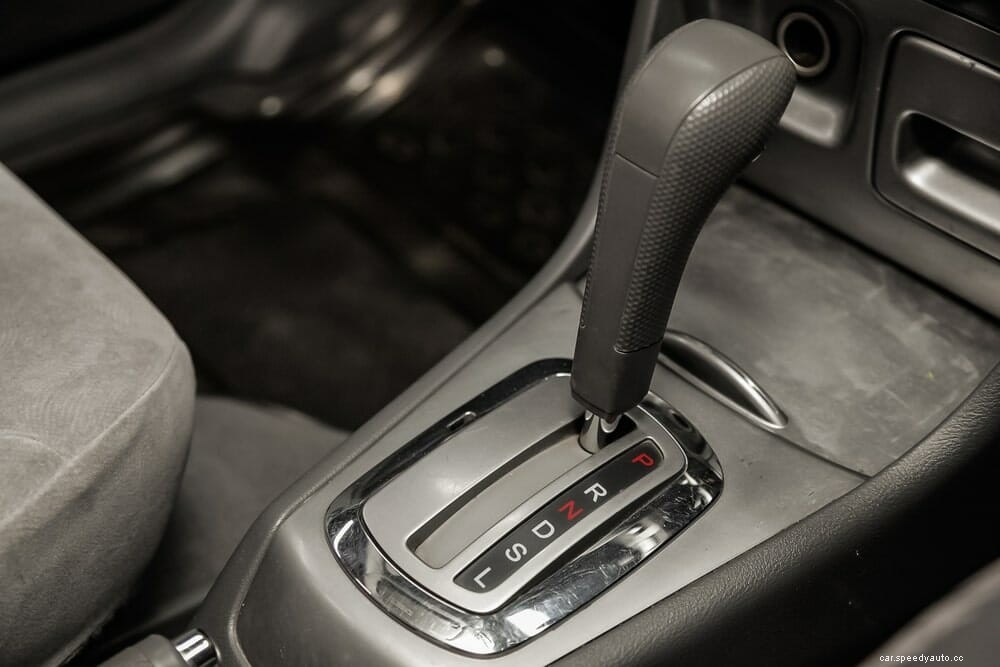
However, if you’re on a sharp incline, your car’s weight will eventually overcome the locked transmission and start to roll. Remember to use your handbrake!
Another reason your car might move forward while in “Park” is because of something called “creep.” Creep is when your car starts to move even though it’s in “Park” and the engine is off. It can be caused by a number of things, but one common cause is worn brake pads.
When your brake pads wear down, they don’t grip the rotors as well as they should, which can cause your car to creep.
If your car is moving forward while in “Park”, we recommend that you have it checked out by a mechanic to see if there’s something wrong. In the meantime, make sure to use the parking brake to keep your car from rolling.
This is a difficult question to answer due to the fact that there are so many variables that can affect the lifespan of an automatic transmission. However, we can provide some general guidelines.
Generally speaking, an automatic transmission will last between 150,000 and 200,000 miles before it needs to be rebuilt or replaced. Of course, this number will vary depending on the make and model of your vehicle, as well as how you drive and maintain it.
If you take good care of your car and regularly maintain it according to the manufacturer’s recommendations, you can expect your transmission to last much longer. On the other hand, if you neglect your car or don’t properly maintain it, your transmission will likely need to be replaced or rebuilt sooner.
Some of the things that can shorten the lifespan of an automatic transmission include:
By following some simple guidelines and taking good care of your car, you can help ensure that your automatic transmission lasts for many miles.
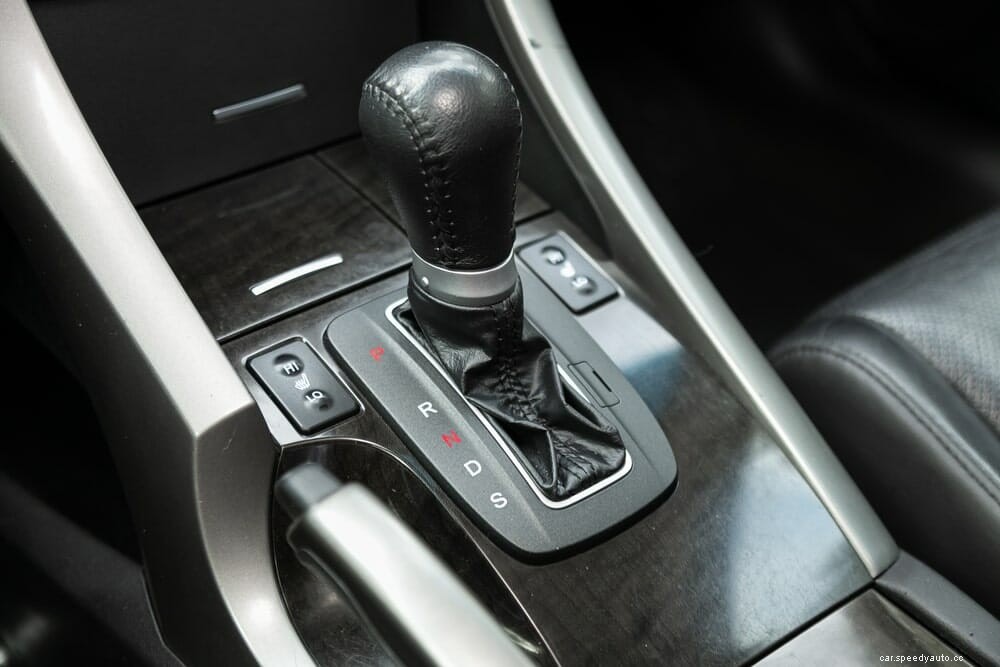
The process for changing transmission fluid on an automatic is relatively simple and can be done at home with the proper tools and supplies. The most important thing to remember when changing transmission fluid is to use the correct type of fluid for your specific vehicle.
In most cases, you will need to purchase a transmission fluid flush kit that includes the necessary tools and fluids. Once you have the flush kit, follow these steps:
Changing your transmission fluid regularly is an important part of maintaining your automatic transmission and can help extend its lifespan. By following these simple steps, you can easily do it yourself at home.
The frequency with which you should change your transmission fluid will vary depending on the make and model of your vehicle, as well as how you drive it. However, most experts recommend changing transmission fluid every 30,000 to 60,000 miles.
If you frequently tow heavy loads or operate your car in stop-and-go traffic, you may need to change your fluid more often. Likewise, if you drive in dusty or sandy conditions, it is important to change your fluid more frequently to prevent contamination.
Some newer cars have sealed transmissions that do not require regular maintenance. However, it is always a good idea to check your owner’s manual for specific recommendations from the manufacturer.
There are three main types of automatic transmissions:
Each type of transmission has its own advantages and disadvantages, so it is important to choose the one that is best suited for your needs.
Hydraulic automatic transmissions are the most common type and are known for their durability and easy maintenance. However, they can be less fuel-efficient than other types of transmissions.
Electronic automatic transmissions are more complex and can be more expensive to repair. However, they are often more fuel-efficient than hydraulic transmissions.
Semi-automatic transmissions are a combination of both hydraulic and electronic transmissions. They offer the durability of a hydraulic transmission with the fuel efficiency of electronic transmission.
When choosing an automatic transmission for your vehicle, it is important to consider your driving habits and needs. If you frequently tow heavy loads or operate your car in stop-and-go traffic, a hydraulic transmission may be the best option.
However, if you are looking for a more fuel-efficient option, an electronic or semi-automatic transmission may be a better choice.
No matter what type of automatic transmission you choose, it is important to maintain it properly to ensure optimal performance and longevity.
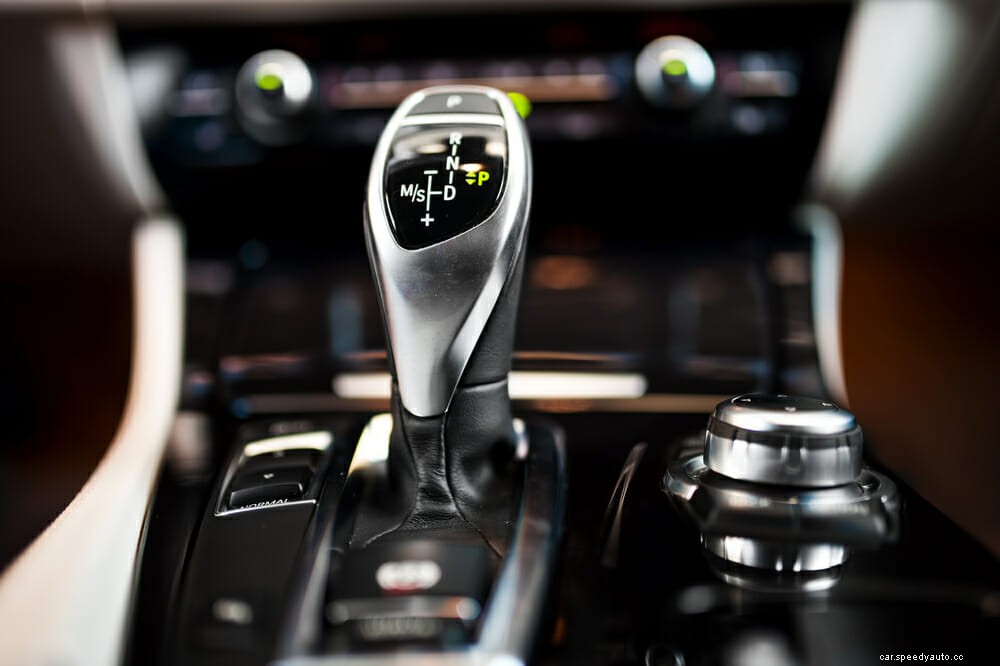
It is always a good idea to engage the parking brake before putting the car in park. This will help prevent the car from rolling and make it easier to get out of a parked position.
Additionally, pulling the handbrake up first can help prolong the life of your parking brake by preventing it from getting stuck in the engaged position.
We hope that this article has cleared up any confusion you may have had about putting a car in park while driving. While putting your car into the park could seriously damage your transmission, most modern cars won’t allow it. They will shift right back into drive.
Remember, it’s best to only do it when your car is at a complete stop and you need to lock the transmission. Otherwise, you run the risk of damaging your car’s gears.
If you have any further questions, please don’t hesitate to reach out to us! We would be more than happy to help. Thanks for reading!
