
Have you ever thought about the most essential fluid your car needs to run? Gas or diesel would be the first things that come to mind. They are important, but without oil, the engine won’t last long to burn the gas. Engine oil is a crucial part of a functioning engine.
For the engine oil to work, it needs an oil pump. To know when you need an oil pump replacement, you need to know bad oil pump symptoms and the replacement cost.
The engine works by burning fuel. The reaction produces energy for the engine to operate. While the engine is operating, there are countless moving parts that rub against each other. Metal-on-metal contact will definitely damage the engine.
This is why lubrication is important. To get an idea, imagine your joints working without lubrication. What if you could feel your bones grinding against each other each time you move. To make sure your engine gets the same comfort, we use engine oil.
Having engine oil stored in one place is going to be useless. So a pump is used to transport it through the engine block. While it flows through the engine block, it lubricates the metal components inside the engine and provides the benefits that come with engine oil.
In the past, lubrication was applied manually to the engine. Occasionally the user would use oil or grease and coat the engine as lubrication. This later developed to be the drip feed system. In this system, the oil will drip down from the top of the engine. It will lubricate the engine as it flows down and is collected in a tray at the bottom.
Today, we have a fuel pump that distributes engine oil throughout the engine. The system comprises many components. They all work in sync to complete the system.
The pump sucks oil from the oil pan. Then it is pumped through numerous passages through the engine. The pump gives enough power for the oil to circulate the engine and return to the initial position.
The entire system consists of many components that contribute to the process. The pump sucks the oil from the pan and pumps it. Then it goes through an oil filter. The filter cleans the dirt and debris from the oil.
The oil pump contains sensors around. This measures the volume of the oil pumped and the pressure it is pumped at. This data is fed to the onboard computer. This will let you know if anything is wrong.
A pressure valve maintains the pressure. Even though you need oil pressure to complete a lap through the engine, too much of it can damage the engine. So when the pressure increases the pressure valve releases the pressure.
When any one of these components fails, it could disrupt the oil delivery to the engine.
Oil pumps are heavy-duty units. They are built to last. But occasionally, they do fail. A failing oil pump, will not provide the oil the engine demands. Before moving on to the symptoms of a failed oil pump, let us look at the reasons why they fail. There are a few reasons why your oil pump might malfunction.
Just like everything else an oil pump has an expiry date. Similar to any other component in the engine, oil pumps go to a lot of strain as well. This will cause parts of the pump to wear out. Intense heat and high pressure take a toll on the pump.
With proper maintenance, oil pumps could last 60,000 miles to 100,000 miles. But you should be expecting an oil pump failure at around 60,000 miles to 70,000 miles.
Proper maintenance is the key to ensuring your oil pump lives a long and healthy life. Every bit of oil that runs through your engine goes through the oil pump. Burnt out oil filled with dirt and debris will surely damage your pump.
Most cars require an oil change at around 3000 miles to 6000 miles. Depending on your manufacturer’s suggestion you should get your oil changed regularly.
Oil cleans your engine by dragging the dirt away from it. This is absorbed by the oil. With time this will change the density of the oil. It eventually become a thick sludge. As your oil pump tries to pump this oil, the sludge will nibble on your pump. This will wear out your pump much sooner.
Leaks could cause your oil levels to drop. When your engine and oil pump are working on low oil levels, they are going to suffer a lot of damage.
First off, when the oil levels are low, there wouldn’t be enough oil to lubricate the oil pump. Then you think about the load on the pump. To circulate the little amount of oil it has, it needs to build a lot of pressure. This will shorten its lifespan.
Engine oils come in different types of oils. Depending on the manufacturer, engine, and climate, the type of engine oil you need to use will change.
Using the oil with the wrong viscosity will damage your engine and your oil pump. Make sure to choose the right type of oil for your car, before you pour it in.
As you might already know, there are numerous benefits that come with engine oil. It is a crucial component for the engine to function. No matter how much oil you refill, without a functioning oil pump, it is worthless.
So, how do you find out when your oil pump is not functioning properly? For this, you need to know the symptoms of a failing oil pump. As long as you remember these symptoms, you should be able to identify an oil pump failure as soon as it happens. Thus protecting your engine from further damage due to a failed oil pump.
Low oil pressure doesn’t happen when your oil is at least partially functioning. The oil pump doesn’t generate the pressure as the oil goes through the engine. The pressure is generated when the size of the path the oil takes varies.
Low oil pressure happens when the oil pump fails completely. If the oil pump is no longer able to pump any oil, then the sensors aren’t going to pick up pressure readings.
In most cars, you will get a low oil pressure warning light when this happens. Since this happens when your oil level is low, the only way to confirm that it is caused by a failed oil pump is to top off the engine oil. After you’ve made sure that the engine oil in your car is adequate, check the dash again for the warning light.
If the light is still blinking, it would indicate that the problem is associated with the oil pump and not the quantity of oil.
Similar to a failed pump causing low oil pressure, a malfunctioning oil pump will result in high oil pressure. This happens when the pressure relief valve malfunctions. As mentioned earlier, when the oil pressure rises, the pressure relief valve releases some of the oil to relieve the pressure.
A malfunctioning pressure relief valve will no longer be able to do this on command. Without the pressure regulated, the oil pressure will gradually rise. This will cause the check engine light to illuminate.
Since this is a severe issue, chances are you will notice your check engine light blinking. This indicates, that you should not continue driving.
Sometimes high oil pressure can be worse than low oil pressure for the engine. This could damage the path that the engine oil circulates in. If this happens, you will start leaking oil and eventually run out of oil.
There are 3 aspects in which engine temperature is regulated by the engine oil.
The primary function of engine oil is to lubricate the engine. This reduces the wear that the metal components of the engine suffer. But it also reduces the friction created between these components.
Friction builds up heat. With a lot of components rubbing against each other inside the engine, heat builds up quickly. By lubricating these components, the engine oil reduces the friction between them, By reducing the friction, the oil reduces the heat produced.
You also have to consider that engine oil is a liquid. So it is part-lubricant and part-coolant. As the engine oil flows through the engine, it absorbs a part of the heat that is produced by the engine. The heated oil then flows back to the oil sump.
Here it rests so it can cool down, so when it laps the engine again, it will be cool enough to absorb some of the heat produced by the engine again.
Finally, the oil creates a layer of fluid between 2 metal components. Metals can effectively conduct heat. So even if one component of the engine is hot, the entire engine will heat up. By creating a layer of fluid, the engine oil slows down the transfer of heat from part to part.
Without the oil pump, the engine oil cannot do any of these tasks that help to keep the engine temperature regulated. This will cause the engine to heat up even though your coolant and water pump are working fine. If your engine heats up, the engine temperature warning will illuminate.
You might be wondering what exactly is a valve train. It is a unit that is also a part of the engine. It sits above the camshaft of your engine.
The valve train consists of a series of pushrods, seals, and valve guides. These are crucial as well to keep the engine functioning. These valves allow the air to come in so that it could be mixed fuel and then ignite.
The valve train also needs lubrication. So the engine oil steps up to lubricate the valve train as well. Without a functioning oil pump, the valve train will not be lubricated, thus it will not function.
Without proper lubrication, the hydraulic lifters, pushrods, seals, and other components inside the valve train will grind against each other. Eventually, this will cause them to seize. Before it seizes you will be able to hear the metal-on-metal rubbing noises clearly.
If you hear a squeaking, squealing, or grinding noise, you should inspect your oil pump.
If you wonder whether the oil pump normally makes noise as it works, it does. But this is not a noise that you can hear. Even if you try to listen to it, you won’t be able to.
If you do hear noises from your oil pump, it means that it is going to fail in the near future. You should be able to hear whining noises even when your car is on idle.
This is caused by the wear on the oil pump. As the gears inside the oil pump wear out, they make a whining noise as they operate. Though you might be able to repair your oil pump by replacing those gears, it is best if you replace the complete oil pump. It will not make a major difference anyway.
When you notice bad oil pump symptoms it often leads to an oil pump failure. So, when you notice bad oil pump symptoms, you need to start to think about oil pump replacement costs.
Sometimes, repair costs can get daunting. Unless you are willing to ignore the repair and scrap your car, you need to get them fixed no matter the cost. When something like the oil pump fails, if you do not get it checked, it will lead to serious engine damage.
So let us break down oil pump replacement costs, and see what the final number is.
The exact price of an oil pump can vary due to several factors. Mainly depends on the manufacturer and model of your car.
Depending on these factors you should expect to pay anywhere from $100 to $1000. Performance cars and luxury cars are often on the higher end. For an average daily driver, an oil pump will cost in the neighborhood of $300.
This is where oil pump replacement gets costly. Again the model of your car will become a factor. This is because the time is taken to access the oil pump will vary. It could take upwards of 5 hours to access the oil pump sometimes.
In some models, it could even take 10 hours to remove and replace the oil pump. So the labor charges really add up. Auto mechanics charge anywhere from $50 to 150 an hour. This will also affect the final cost. On average a mechanic will charge $100 an hour.
As you might notice, labor charges cost much more than the actual oil pump itself.
The process takes 5 to 7 hours on average, but on some rare models, with an experienced mechanic, the job could be over in about 2 hours. Non the less, you should expect to pay $500 to $700 for labor. For the parts, expect to spend $300 to $400.
With that being said the total adds up to about $1000. According to ‘Repairpal’, the average price for an oil pump replacement is going to be between $1142 and $1348.
These numbers are for ordinary cars and not for luxury or performance vehicles. For these types of cars, replacement costs could be as high as $3000.
Here are some of the most common questions regarding bad oil pump symptoms and replacement costs.
As long as you know the symptoms of a failing oil pump, you can wait till you notice any of those symptoms. So whenever you notice that your oil pump is about to fail is the best time to get it replaced. After all, you do not want to spend $1000 or more to replace a pump that still has life in it.
On average oil pumps last around 60,000 to 70,000. It mainly depends on maintenance.
The oil pump is actually located inside the oil pan. The exact location might carry, but it is usually on the bottom of the engine, beside the crankshaft.
Engine oil offers a variety of benefits to the engine. The main advantages are reducing friction, acting as a coolant, reducing wear, improving efficiency, increasing lifespan, cleaning the engine, preventing corrosion, and many more.
Different manufacturers suggest different intervals to change the oil. According to their recommendation, you need to change your engine oil.
Your engine oil should last at least 3000 miles after a replacement. Though some models it is seen that an oil change is required after around 1500 miles. This is not normal and is usually caused by a defect. Even if you have an older car, you should be able to get 3000 miles after an oil change.
On average, your engine oil should last around 5000 miles. You should schedule engine oil replacement once every 6 months.
Modern technology allows cars to be extremely efficient with engine oil. Some cars that are made today only require an oil change for about every 10,000 miles.
No, the oil pump is actually placed inside the oil pan. So even if your oil pump is damaged, the engine oil that leaks will end up dripping to the pan.
But, a faulty oil pump can damage another component that could cause your engine oil to leak. For example, if your oil pressure is high, it could damage the hoses or any other component that could leak engine oil.
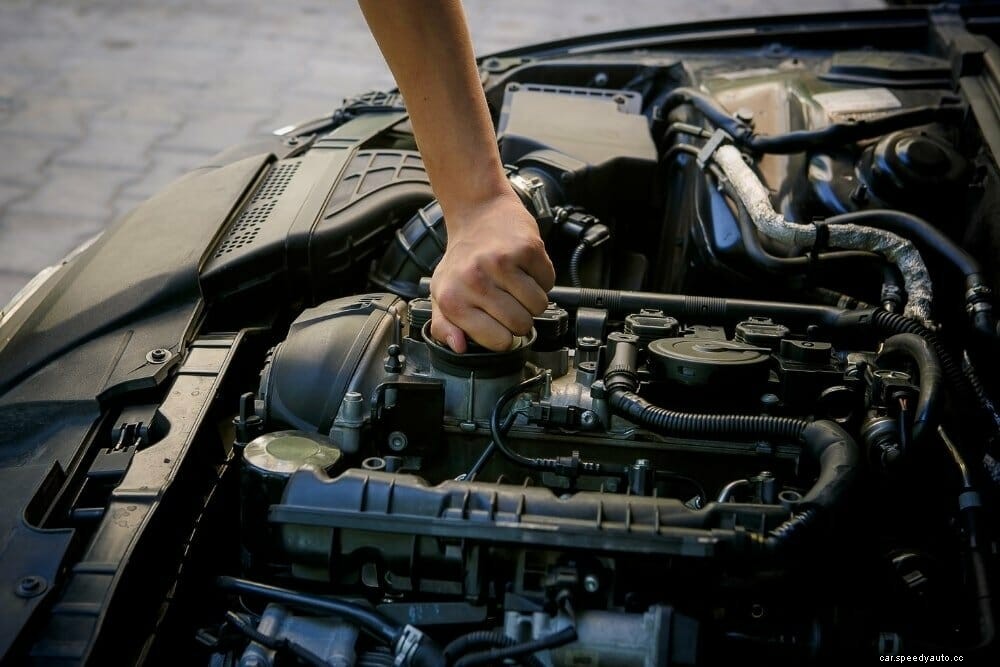
It is possible. The pump’s oil suction tube does get clogged or damaged, if you leave you do not replace your engine oil as needed. A clogged oil pump could cause low oil pressure. Thus your engine will not get enough motor oil.
In case of a clog, you would have to replace the oil pump.
It is safe to say, without an oil pump, you cannot drive your car. It makes sure that enough oil is supplied to the engine to keep the moving parts lubricated.
There can be many reasons why your oil pump could go bad. But as long as you maintain it properly, you should be able to protect your oil pump for a really long time.
Driving without an oil pump will ruin your engine. So you should make sure not to drive without a functioning oil pump. For this, you should know the bad oil pump symptoms. Only by knowing these symptoms, you will be able to scout ahead a failing oil pump and make sure not to drive with a bad oil pump.
Once you figured out that your oil pump is failing, you need to worry about the replacement cost. Replacement costs could vary drastically depending on the car you drive. But as long as it is an ordinary car, you should expect a bill of around $1000.
It stings that out of the $1000, only around a quarter of it is the cost for the oil pump and the rest is for labor. But you have to understand that replacing an oil pump is a tedious process that could easily take upwards of 5 hours.
You can try to replace your oil pump yourself and save up the money that you’d be paying for labor. But this is one of the hardest repairs you could do in your car.
Unless you are highly familiar with doing repairs on your car, you might want to leave it to the professional. This is not the best idea for your first DIY project.
