
If your brake pedals are hard and brakes are locking up, don’t panic! There are a few things you can do to troubleshoot the issue and get your car back on the road. In this article, we will discuss some of the most common causes of hard brake pedals and brakes locking up, as well as how to fix them.
While the most common cause of a hard brake pedal is the lack of fluid in the master cylinder, it can be also caused by air in the lines or worn-out brake pads. All of the mentioned causes can be avoided by regular checkups and following the maintenance manual provided by your manufacturer.
So if you’re having trouble with your brakes, read on for some helpful advice.
There are two types of braking systems: hydraulic and mechanical. Hydraulic brakes use fluid pressure to push the brake pads against a rotor, while mechanical brakes rely on cables or rods to pull them back into place when they get too far away from their original position.
The most common type used in modern cars is hydraulic because it’s more efficient and reliable than its older counterparts (although some older vehicles still have mechanical ones).
If you’re having trouble with your brake pedal being hard or locking up, then chances are that something has gone wrong with either one of these components: the master cylinder – this controls how much force goes through each individual line.
If there’s a problem here (for example if there aren’t enough fluids) then it can cause the brakes to lock up, or brake pads – these are what comes into contact with the rotor, and if they’re worn down then it will be harder to stop the car.
There are a few possible reasons why your brake pedal may be hard or locked up. These include:
While not so common, there are other potential causes of brake pedal issues, such as a seized caliper or corroded lines. If you’re having trouble with your brakes, the best thing to do is take it in for a diagnostic check.
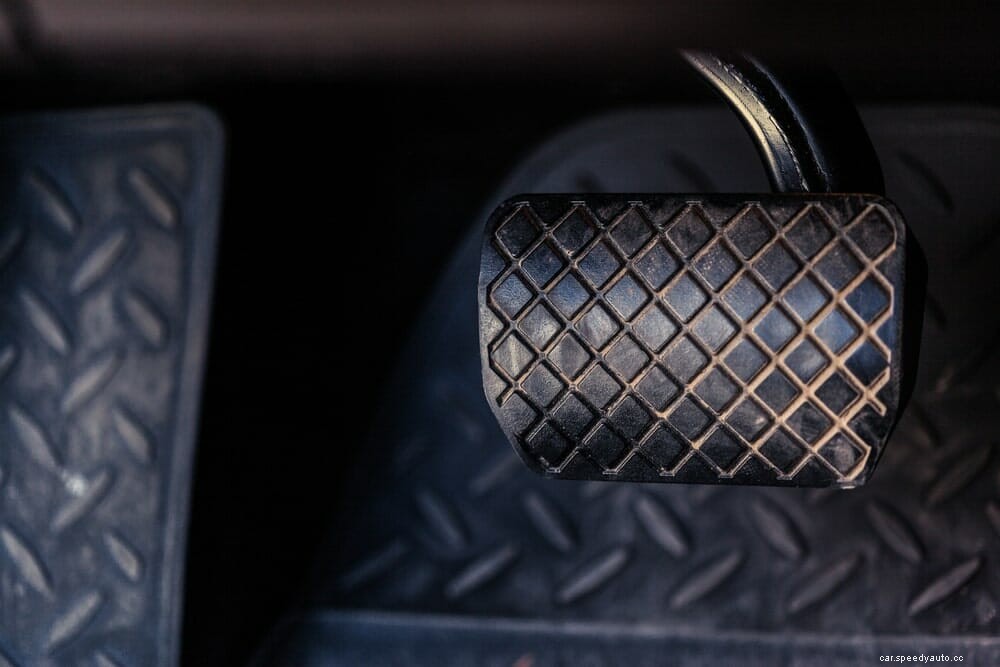
If your brakes are locking up, it could be due to a few different things. These include:
If you’re having trouble with your brakes locking up or being hard, it may not just be a problem with the pedal itself.
It’s possible that something else in your car isn’t working properly – such as worn-out brake pads or rotors – which could cause them to lock up while driving at high speeds and even lead to an accident if left unchecked.
If you’re experiencing problems with your brake pedal being hard or locking up, try one of the following solutions:
If you’re experiencing any symptoms other than hard pedals and locking up, then it might be time for some serious repairs by a certified mechanic. These can include:
If you’re experiencing any of these symptoms, then take your car in for a brake inspection right away! It’s always better to be safe than sorry, especially when it comes to something as important as your brakes.
There are two types of brake fluid: DOT-rated and silicone DOT-approved. The former is the most common type and should be used unless your vehicle specifically calls for the latter – check your owner’s manual if you’re not sure.
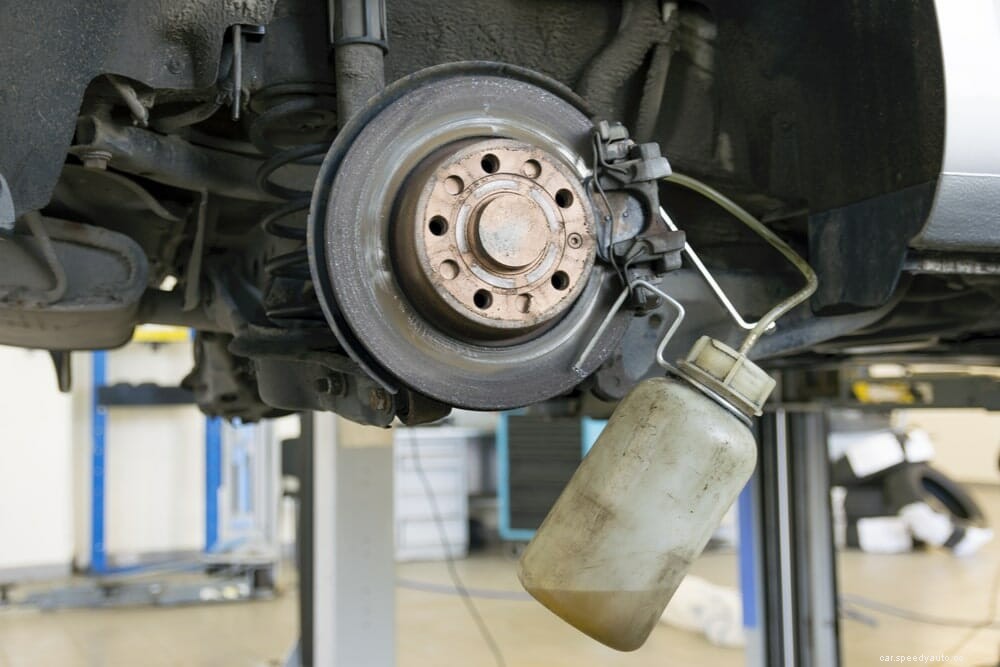
Brake fluid needs to be replaced periodically (every two years or so) in order to keep everything running smoothly. Otherwise, corrosion can form on metal surfaces inside the braking system which will eventually lead to problems such as hard pedals or locking up.
If you are confident in your abilities and would like to do it yourself, then follow these steps:
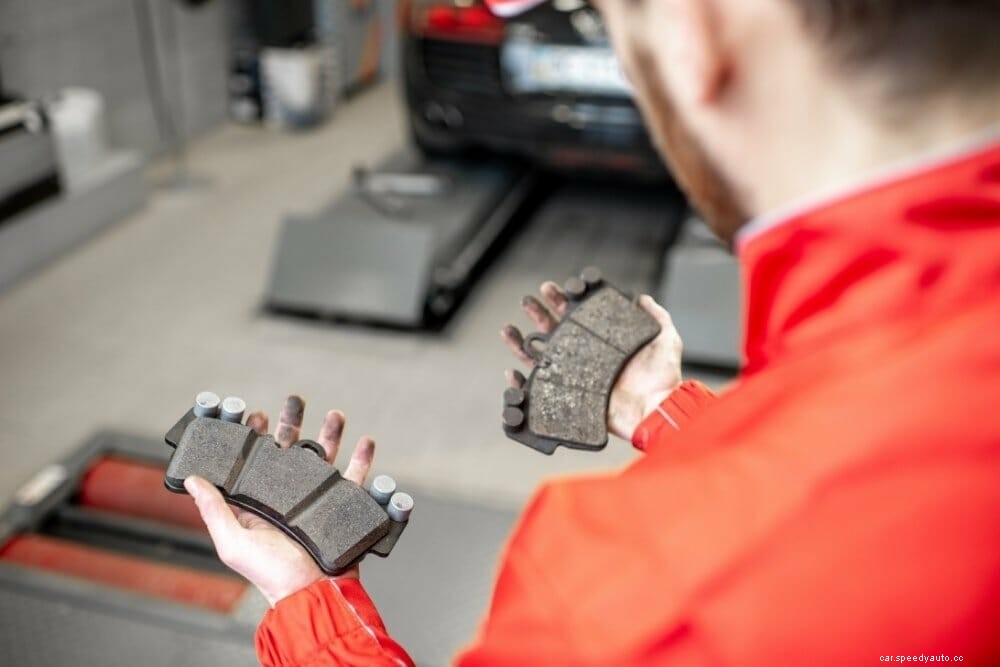
If your brake pads are worn out, it will cause the brakes to lock up and may even damage the rotors. You can usually tell if your brake pads need replacing by checking for these symptoms:
If your brake pedal feels “spongy” and doesn’t respond as quickly as it used to, then there might be air bubbles trapped in the hydraulic system. This can be caused by a number of things, such as replacing brake fluid improperly or leaving the cap off of your brake fluid reservoir.
It’s also possible that there are leaks somewhere along the lines leading up to each wheel caliper or drum assembly – these should be repaired immediately because leaking brake fluid can cause corrosion and other problems if left untreated for too long.
Bleeding brakes is an easy job that most people can do themselves with a few basic tools:
Be sure to check your owner’s manual for more specific instructions on how to bleed your brakes – different car models may require slightly different techniques. If you’re uncomfortable doing this job yourself, then take your car to a qualified mechanic.
If you’re experiencing problems with your brake pedal being hard or locking up, then it’s time for some serious repairs. Here are the steps to take:
When you press down on the brake pedal, your car should create a vacuum. If there isn’t enough pressure generated by this process then it can lead to problems like hard pedals or locking up. The best way to test if this is causing your issue is by checking with a mechanic (they’ll have all of the right tools).
There are several steps that need to be taken in order for this repair:
A master cylinder is the part of a car’s brake system that contains fluid and pressure. When these components aren’t working properly, you can experience hard brakes or locking up issues as we mentioned above. It’s important that if there are leaks in either one then they should be repaired immediately before more damage occurs!
To check for this problem:
If you’re experiencing brake pedal hardness and locking up, then it’s time to take your vehicle into a professional auto shop for brake repair services! A qualified mechanic will have all of the right tools necessary to diagnose what’s wrong with your brakes before they attempt any kind of repairs.
They’ll also know how much work needs to be done based on whether or not there are leaks present as well as what type of fluid is being used (if applicable) in order for them to make an informed decision about replacing parts versus trying something else first such as flushing out the old brake fluid.
The best way is to take your vehicle into a professional auto shop for brake repair services! A qualified mechanic will have all of the right tools necessary to diagnose what’s wrong with your brakes before they attempt any kind of repairs.
They’ll also know how much work needs to be done based on whether or not there are leaks present as well as what type of fluid is being used (if applicable) in order for them to make an informed decision about replacing parts versus trying something else first such as flushing out the old brake fluid.
Brake fluid needs to be replaced periodically (every two years or so) in order to keep everything running smoothly; otherwise, corrosion can form on metal surfaces inside the braking system which will eventually lead to problems such as hard pedals or locking up.
Brake pads need to be replaced periodically (every two years or so) in order to keep everything running smoothly; otherwise, corrosion can form on metal surfaces inside the braking system which will eventually lead to problems such as hard pedals or locking up.
If you don’t change your brake pads regularly, then corrosion can form on metal surfaces inside the braking system which will eventually lead to problems such as hard pedals or locking up.
The best way is to replace them every two years so that they’ll last longer and work better! It’s also important not to wait until there’s a problem because by then it may be too late.
No, you do not need brake pads to drive, but you need them to stop. If you are driving and do not have a working brake system, then there is no way for your car to stop. This could result in an accident or other damage that may occur due to a lack of control over stopping speed (i.e., hitting something).
If you’re experiencing problems with your brake pedal being hard or locking up, then it’s time for some serious repairs. Be sure to check the fluid first before buying pads or doing anything else. If it needs to be replaced, then you can do it yourself following these simple steps.
If the problem persists, take your car in for a brake inspection at a trusted mechanic shop.
