
When you go to check your oil and it’s not on the dipstick, it can be a cause for concern. You may wonder what could be wrong and whether or not you need to take your car in for repair. In this article, we will discuss some of the causes of no oil on the dipstick and what you can do about it.
If you’re new to the world of cars, you might be confused about why there are so many different dipsticks for checking fluid levels. What is a dipstick and why do most cars have one?
A dipstick is a tool that you use to check the oil level in your car. It’s usually a long, thin piece of metal with a rubber or plastic handle. The tip of the dipstick is inserted into the engine oil filler hole and then pulled out so that you can see the oil level on the stick.
A car’s dipstick gives information to drivers about what’s going on under the hood. Some people call this guide to vehicle maintenance the oil stick or engine check. And no matter what you call it, if your car is equipped with a dipstick, there’s only one way to find it.
You have to get under the hood and look for it!
Because car manufacturers design their engines to different specifications, the location of your dipstick may be slightly different from where we’ve described. However, most engine oil check sticks are located either on the driver’s side or the passenger’s side of a vehicle’s engine compartment.
In some cases, you’ll find two dipsticks-one for checking oil levels and one for checking transmission fluid levels. On other cars, there is only one dipstick that checks both.
Although some newer vehicles are moving away from this age-old system of checking oil levels, most cars still use a dipstick. Also known as an engine oil check stick or simply “the stick,” the dipstick is nothing more than a long thin rod that tells you how much fluid your car needs.
Modern-day engines are sealed units, which means they don’t need frequent lubrication changes as older engines did. What’s more, once you’ve checked your oil level with a dipstick, if it needs some, you can add just enough to bring it up to where it should be without overfilling the reservoir.
The first, and most common, indicator is the oil level on the dipstick itself. This will be a series of hash marks inside the tube of the stick. These may vary in number and depth, depending on your vehicle’s manufacturer.
On some vehicles, you can find these lines even if they’re dirty or covered up by dirt or grease from under the hood. But not all cars have them so don’t rely on this as your only guide to determining whether you need more oil.
If it’s an older car without any indicators on the dipstick itself, use a different method for checking how much oil you’ve added to your engine. Adding too much can cause serious problems.
For example, with-capacity engines that require five gallons of oil, using a method of checking your engine’s oil level called the “oil stick” is a good idea. It operates much like the dipstick but has different-sized marks on it to let you know when more oil is needed.
The best way to add just enough oil without overfilling is with a special container that measures how many quarts you’ve put in. Some containers have adjustable measuring cups that allow you to choose from different measurements.
You can find these on the Internet or at an auto supply store near you.
Assuming that there are no oil or other issues that would give you a false reading, the way to check your dipstick is simple. Make sure the engine is at normal operating temperature (warm).
Verify that the engine oil level is at the minimum specification on the dipstick. Then remove it and wipe it clean, reinsert it fully into the tube, then remove again. Make sure the stick is fully seated in the tube before removing it for both measurements.
Now check your dipstick. If you see a lot of oil on the stick between max and min (say 1/2 qt or more), then you have too much oil. Add oil to bring your level within spec.
If you don’t see any oil on it, then your level is below the minimum, provided you’ve verified that this was indeed at minimum earlier by measuring with warm engine (and fluid) temperature. Then, add until you get into specification range between min and max levels on the dipstick.
Before you change your oil, if it is not due for an oil change, check the fluid level several times to verify that there are no leaks.
If the engine has been sitting a long time, let it idle with the heater on high until the thermostat opens before checking fluid levels. Ideally, you want to find out what is causing your oil leak and repair that first.
When the oil level drops too low, there’s no longer adequate lubrication between moving parts such as pistons and connecting rods or even valve stems that are constantly being pushed back into place by camshafts every time they open up so gas can enter combustion chambers.
The lack of lubrication will cause metal-on-metal contact, which quickly produces heat and wear. The result can be a seized engine or extensive damage that could leave you stranded on the side of the road.
Check your dipstick to make sure you know where your car stands!
If your car is low on oil, it can cause serious damage to the engine. The dipstick is a good way to check how much oil you have in your vehicle and how often you should change it.
A dirty or clogged dipstick will not be able to accurately tell you what’s going on inside of your engine, which could result in severe problems if something goes wrong and causes an accident.

If you have no oil on the dipstick, it’s probably because your engine oil level is low. If this happens, check and make sure that there are no leaks or other issues causing the dipstick to be dirty.
It can also mean you haven’t changed your oil in a while which means it could be time for an oil change!
You’ll need to get under the hood of your car with gloves and look around at all parts of the engine before deciding if anything needs replacing or repairing because sometimes things like hoses might just need tightening up instead of completely being replaced.
The best way to find out what’s going wrong is by taking off any covers so they don’t interfere when looking inside, especially since some cars require a special tool to remove them!
The most common causes of no oil on dipsticks include:
Depends on the reason for this lack of oil. If you are not sure why there is no sign of oil on the dipstick, then you need to stop the car and do your best to find out what exactly happened.
It is important that you don’t forget the fact that when the engine is running, nothing shows up on a dry dipstick because any remaining oil will spill onto other components in the engine. This fluid [oil] does not show up anymore once it has been moved around by other components.
The next thing to do here would depend on whether or not you have access to tools such as a pressure gauge and similar things. If you do have such tools, then you need to use them in order to test the engine.
If you have no such equipment available, then it is a matter of doing a visual inspection. A good place to start with it would be the oil pan.
You can do so when standing from underneath or from above, with the latter being the preferred option if working by yourself. Wait for an hour or so before opening up the car in order to allow fluids [oil] in the engine to cool down completely.
While you are checking out that area, make sure that there is nothing blocking any components within the engine compartment that could prevent oil from flowing into parts of the system where it is required at all times. If everything seems fine, then your next stop is the oil pump.
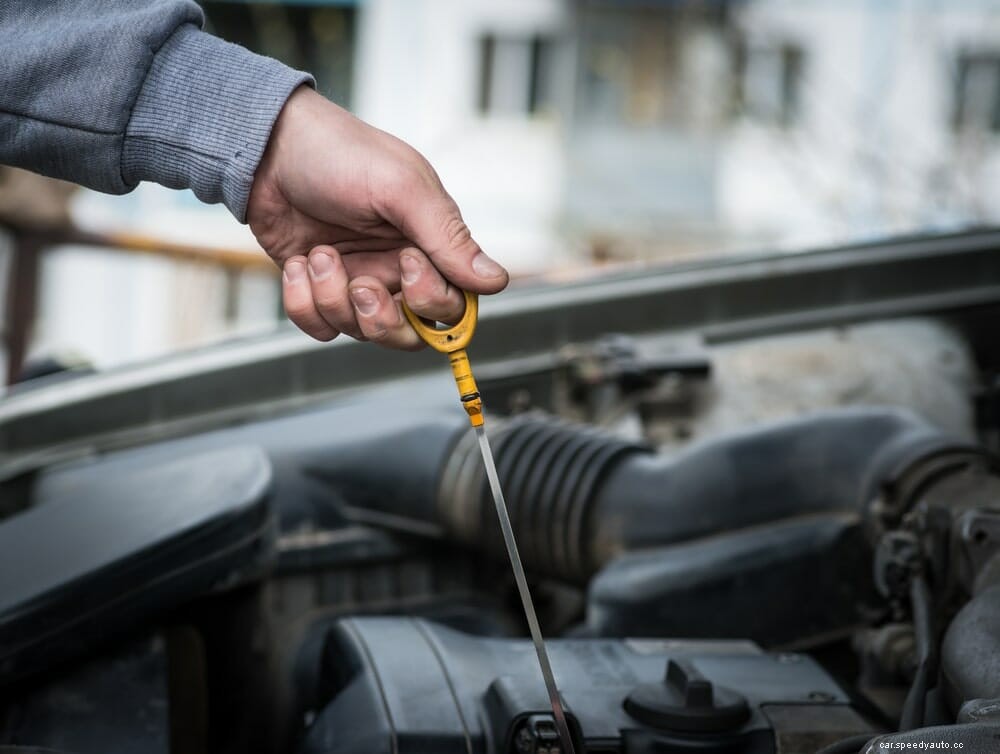
You want to check that part out by looking at it with a flashlight. You can access it quickly and without too much trouble, which makes it an ideal candidate for inspection in case you do not have any tools whatsoever.
If there is no sign of damage anywhere around the oil pump, then chances are good that this component does not need replacing or repair work of any kind. Of course, this would bring up questions about whether or not the engine has been damaged internally as well, but more on this aspect later on in this article.
Once you’ve checked everything around that area, including checking if there are problems with hoses and connections to other components, then it is time to move on to the engine block itself. You will have to remove the dipstick tube in order to access the oil pan bolts in this case.
There are two nuts that you can reach without removing any other parts, but in order to get at the rest of them, you will have to take out some components that are currently in your way.
There is no need for you to go overboard with this process and it does not matter if you end up replacing certain parts such as hoses or clips of any kind. The goal here is only one: access all bolts and fasteners which secure the oil pan onto the cylinder block.
Once everything has been removed from where they were originally installed, then it would be a good idea to clean it and make sure that all bolts and screws you need to work with are clean and free of rust.
There is no point in starting the engine after replacing the oil pan unless everything has been done correctly, so make sure you double-check every single component before reinstalling it.
The next thing you can do, if you have access to such equipment, is to charge the system with fresh new fluid. This would mean draining even more of it from different parts of your engine, but it would be a good idea to have the car checked out by your mechanic regardless.
If you are unable to do so, then it is time to check the oil pump one more time.
Just like before, you can take off the dipstick tube in order to gain access to all bolts around that area. Once everything has been removed and cleaned of rust using fresh new wire wool or similar things, replace everything back into place.
Make sure you use only the right fasteners for certain parts/components that need to be placed exactly where they were originally installed.
There would be no harm done if you went ahead and replaced certain parts such as hoses with rubber ones for example. Unless there’s any metal in there, everything should be fine.
The only other step that you would have to take is filling up the oil pan with fresh new fluid and then checking for leaks around those areas where you removed components in order to replace the oil pan itself.
If everything seems fine at this point, then it would be a good idea to start running the engine – after having released excess pressure – and see if there are any problems related to low oil levels or the need for more lubricant of the sort.

If the problem persists, then your next course of action would be looking into possible internal damage within the engine itself.
This is something that can only be checked out by a mechanic, so do not even bother trying to have a look yourself unless you have plenty of experience in the matter.
There are chances that it is just a faulty oil pump, but even this can be checked out by having your mechanic take a look at it. The best thing you can do now is abide by the following rule: it is always better to act early rather than late.
You should check your dipstick level every time you get an oil change. That way, the mechanic can make sure that there are no leaks or other issues causing the dipstick to be dirty.
When checking for engine oil levels on any vehicle, it is important to start with a clean surface so as not to consume any contaminants into the reservoir when removing and replacing the cap or gauge handle which will cause inaccurate readings due (this includes dirt/dust).
It’s also essential to not let anything drop onto where we’re making our measurements — this could include dust particles from hands touching other things nearby such as clothing items worn during maintenance procedures).
You should always have a dipstick in your car. If you lose it, then check with the manufacturer for replacement parts. It’s best not to drive without one because it can damage your engine or transmission if there are any leaks in those areas due (this includes dirt/dust).
You should not drive without a dipstick. It is essential for checking the engine oil levels and can damage your engine or transmission if there are any leaks in those areas. The only exception to this would be if you were to take your car to a mechanic who could check the levels for you.
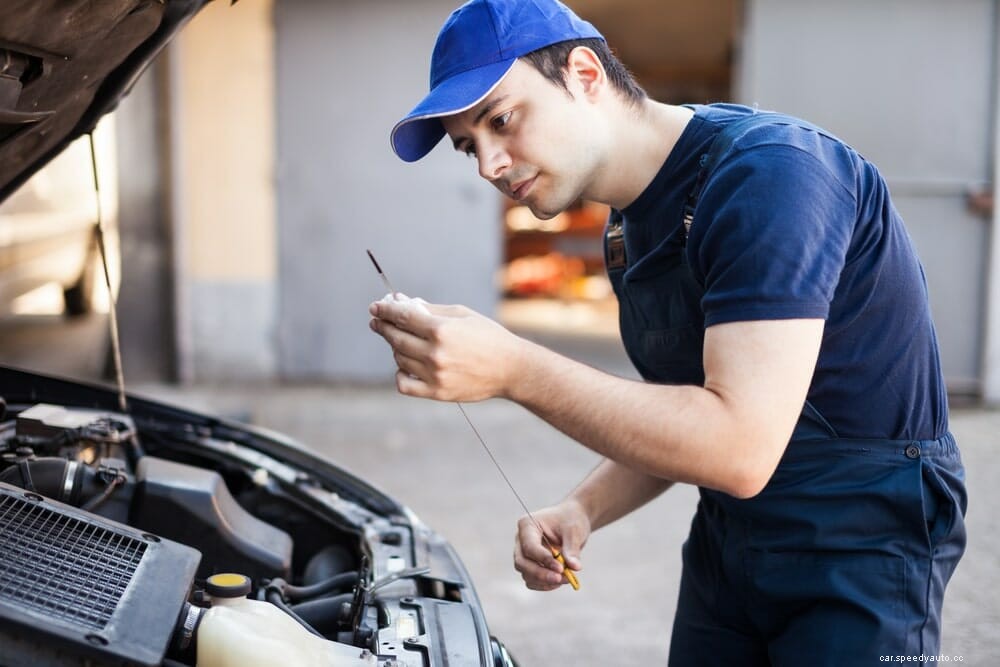
If your dipstick says low, it means that you need to add oil as soon as possible to prevent further damage to your engine. Not adding oil can cause serious problems, so make sure you add it as soon as possible.
The best way to check for engine oil levels is with a dipstick. However, there are other ways such as using an oil pressure gauge or using your car’s computer system to tell you when it needs more fluid in order for the vehicle to run properly.
The amount of motor oil that you need depends on what type of engine is in your car and how many miles per gallon (mpg) it gets.
Typically, smaller engines require less than larger ones because they use up less fuel consumption overall during regular driving conditions over time due (this includes dirt/dust).
If the stick is white then there may be too much water in the crankcase which could cause damage if left unchecked. You should add more oil or have it checked by a mechanic as soon as possible before continuing on with any further driving activities until this issue has been resolved!
If you don’t see any water when looking at your dipstick and still think there’s an excessive amount of moisture coming from somewhere else within the engine, try using a flashlight or other light source to look deeper into those areas where liquid could be leaking out so that you can get it fixed without having wait too long before getting back behind the wheel again.
No oil on the dipstick can be a sign of different problems with your car, but it is most often related to low oil levels or damage within the engine itself. To diagnose the problem and take necessary action, you must first verify where the issue is coming from.
This can be done by checking different areas around the engine and looking for any possible leaks. If everything seems fine, then fill up the oil pan with fresh new fluid and start the engine.
If there are still problems after doing this, then it would be best to take the car to a mechanic for further inspection. Acting early rather than late is always advisable in such cases.
