
If you have a bent pushrod, it can cause all sorts of problems with your engine. In this article, we will discuss the causes and fixes for bent pushrods.
While pushrods don’t often get bent, driving on unpaved roads or heavy engine use can damage them. The most common fix is a replacement, which should be done by a professional.
We will also provide some tips on how to prevent them from happening in the first place.
A pushrod is a common term that refers to a valvetrain component that moves up and down, perpendicular to the crankshaft’s rotation.
In an overhead valve engine, pushrods are used in combination with rocker arms to actuate valves which are typically located in the cylinder head. In contrast, overhead cam engines use either one or more camshafts (also known as “buckets”) instead of pushrods.
An engine (or more specifically, the camshaft) transfers rotational motion into linear motion of the valves which open and close to let air and fuel into the combustion chamber. This is achieved with a combination of one or more camshafts and pushrods that work together in unison to move the rocker arms which pivot and actuate valve stems.
Each cylinder has two such systems: one for opening valves, another for closing them. These are operated by lobes on the camshaft, which translate this circular motion into up-and-down or back-and-forth action at appropriate times during each engine cycle.
In most engines, “up” means toward the top of the cylinder head, where the valves are located.
In some older systems, a more complicated camshaft position sensing system is used. This system must take into account the varying height of each lobe to determine its specific function during each engine cycle.
In an overhead valve (or OHV) engine design – which includes most engines produced from the early 20th century until today – valves are operated by one or more camshafts and pushrods.
These components work together in unison with rocker arms to move the valves up and down to let air and fuel into the combustion chamber at precisely timed intervals.
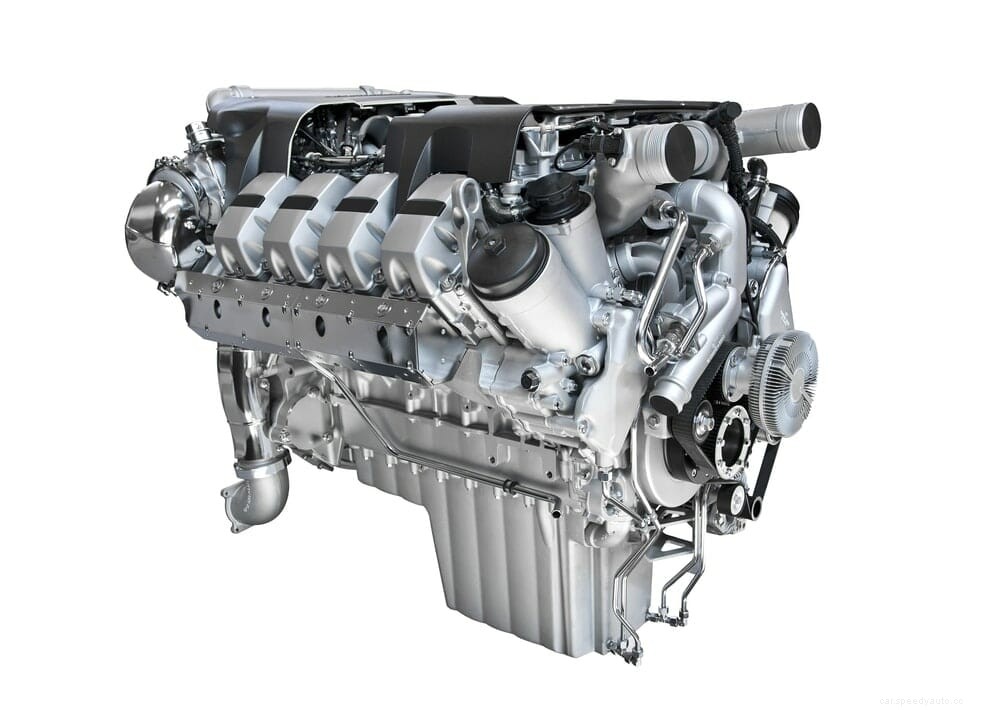
It uses one or more camshafts and pushrods rather than overhead valves (OHV) to operate its valves.
Although they share similarities with their OHV counterparts – namely, rocker arms that open and close valves – pushrod engines are generally less complicated because they lack many of the extra components found in OHVs such as the rocker bridge, distributor, oil pump, etc.
They are also able to achieve higher compression ratios due to increased clearance between the top of the combustion chamber and the cylinder head when compared to OHV engines.
An overhead valve engine is an internal combustion engine in which the valves are placed in the cylinder head. This was an improvement over the older flathead engine, where the valves were in the block next to the piston.
Overhead camshaft (OHC) engines, similar to OHV pushrod systems, are distinct for their use of rocker arms rather than pushrods. The term “overhead” refers to the location of the camshaft(s) above or beside (rather than inside) the cylinder head(s).
A pushrod is subject to wear and tear at higher mileages or damage incurred in an accident. This can cause a mechanical problem somewhere else in the valvetrain such as a loose rocker arm or bad lifter (lifters are part of the oiling system).
Bent pushrods should be replaced immediately because they put other components at risk for damage as well as potentially allow combustion gases into the cooling system which can lead to overheating.
This can occur from a variety of causes, including wear and tear at higher mileages or damage incurred in an accident.
In this case, it’s likely caused by a mechanical problem somewhere else in the valvetrain, such as a loose rocker arm or bad lifter (lifters are part of the oiling system).
In an overhead valve engine, pushrods are used to transfer rotational motion into linear motion of the valves which open and close to let air and fuel into the combustion chamber. In most engines, “up” means toward the top of the cylinder head where the valves are located.
This is achieved with a combination of one or more camshafts and pushrods that together in unison with rocker arms pivot and actuate the valve stems. In some older systems, a more complicated camshaft position sensing system is used.
This must take into account the varying height of each lobe to determine its specific function during each engine cycle.
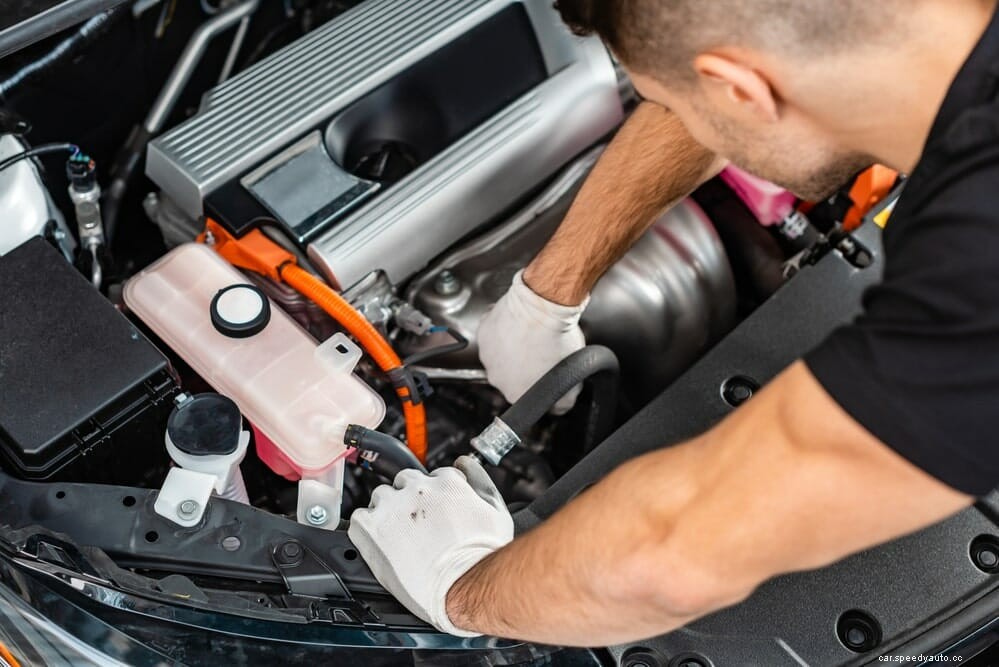
In overhead valve engines, pushrods are subject to wear and tear at higher mileages or damage incurred in an accident. This can cause a mechanical problem somewhere else in the valvetrain such as a loose rocker arm or bad lifter (lifters are part of the oiling system).
Bent pushrods should be replaced immediately because they put other components at risk for damage as well as potentially allow combustion gases into the cooling system which can lead to overheating.
Lifters, also known as tappets, are part of the engine’s oiling system. When they wear out or fail, lack of lubrication can cause other components in the valvetrain (such as pushrods) to wear out prematurely.
This is often evidenced by tapping sounds coming from the top end during engine operation. Other symptoms may include rough idling and poor acceleration; if this is happening, it’s time to take your car in to a mechanic for service.
Labor costs will vary depending on where you live and which dealership / independent shop you choose to do business with. However, you can expect prices for this type of repair to fall in the range of $300 to $1,000. Costs will typically include labor and possibly an additional service of some kind if your car is covered under a manufacturer warranty plan.
A pushrod engine uses one or more camshafts and pushrods rather than overhead valves (OHV) to operate its valves.
Although they share similarities with their OHV counterparts – namely, rocker arms that open and close valves – pushrod engines are generally less complicated because they lack many of the extra components found in OHV such as the rocker bridge, distributor, oil pump, etc.
They are also able to achieve higher compression ratios due to increased clearance between the top of the combustion chamber and the cylinder head when compared to OHV engines.
An overhead valve engine is an internal combustion engine in which the valves are placed in the cylinder head. This was an improvement over the older flathead engine, where the valves were in the block next to the piston.
Overhead camshaft (OHC) engines, while similar to OHV pushrod systems, are distinct for their use of rocker arms rather than pushrods. The term “overhead” refers to the location of the camshaft(s) above or beside (rather than inside) the cylinder head(s).
As mentioned above, the symptoms of a bent pushrod are similar to those often associated with other forms of mechanical problems.
You might hear tapping sounds during engine operation or notice lower acceleration and fuel efficiency. If you are experiencing any of these problems, it’s time to see your mechanic for the proper diagnosis and repair work.
Some symptoms may include:
Regularly scheduled maintenance is an effective way to prevent bent pushrods in most cases.
However, if you’re driving on unpaved roads or through areas where there is significant debris on the ground (such as construction sites), this might increase the risk of damage to your vehicle’s components. Many people choose to install rocker guards – which are easy DIY projects – to help minimize the risk of rocker arm damage.
As with many other forms of vehicle damage, it’s possible for bent pushrods to occur because of an accident or regular wear and tear over time.
Driving conditions that include rough terrain and debris on the road may increase the likelihood of mechanical failure in your engine by putting additional stress on its components.
This means if you’re driving through construction sites or areas with challenging conditions all the time, you might want to get a rocker guard installed (see above) for added protection against damage such as this.
Bent pushrods can also be the result of incorrect installation or a faulty part. If you’re experiencing any of the symptoms listed above, it’s important to have your car diagnosed and repaired as soon as possible.

If your car is experiencing symptoms of a bent pushrod, the most common solution is to replace the component. This can be done through a variety of methods, but usually requires the removal of the cylinder head.
Costs will vary depending on which method you choose, so it’s important to consult with your mechanic to get an accurate estimate.
There are also aftermarket replacement parts available for those who want to do the repair work themselves; however, these often come with a higher price tag than OEM parts from the vehicle manufacturer.
If you’re not comfortable doing this type of repair yourself or don’t have access to the necessary tools and equipment, it’s best to take your car to a qualified mechanic. They will be able to diagnose the problem and fix it in a timely and affordable manner.
Regularly scheduled maintenance is an effective way to prevent bent pushrods in most cases. However, if you’re driving on unpaved roads or through areas where there is significant debris on the ground (such as construction sites), this might increase the risk of damage to your vehicle’s components.
Many people choose to install rocker guards – which are easy DIY projects – to help minimize the risk of rocker arm damage.
You can drive with a bent pushrod, but it’s not recommended. Bent pushrods can cause more damage to your engine if left untreated, and this could lead to even bigger problems down the road. It’s best to get any symptoms of a bent pushrod checked out as soon as you notice them.
If you’re not comfortable doing this yourself or don’t have access to the necessary tools and equipment, take your car to a qualified mechanic for further diagnosis and repair.
You can use nonoriginal pushrods on your car, but it is not recommended. Original pushrods are designed with the specifications of each specific engine in mind and have been tested to work with that type/model of vehicle before being offered as replacement parts.
On the other hand, there are aftermarket parts available, which can be better quality than your original parts, but be sure to consult a professional before buying them.
There is no one-size-fits-all answer to this question, as the lifespan of a pushrod will vary depending on how often it’s used and the conditions in which it’s operated.
However, most mechanics recommend replacing them every time you have your engine oil changed – typically around every 5000 miles. This is a good preventative measure to keep your car running smoothly for years to come.
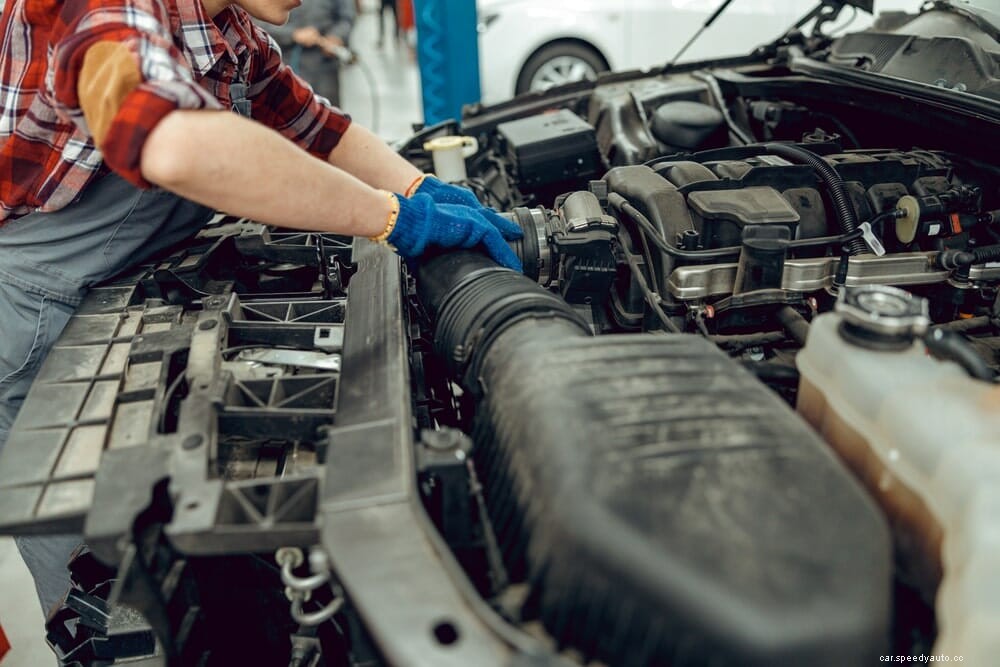
Yes, bent pushrods can cause other engine problems if left untreated. Many times when there is damage to this component, it can put excess stress on other areas of the engine and lead to more significant issues down the road.
It’s important to get any symptoms of a bent pushrod checked out as soon as you notice them.
It is possible to straighten a pushrod, but this requires the use of specialized tools and knowledge of how they work. You may be able to find instructions online to perform this task yourself if you want.
However, it’s important that all steps are completed properly so as not to damage any other components along with your pushrods.
In most cases, it’s best left up to professionals who have experience working on cars before attempting any repairs by hand or using common household items like hammers or pliers.
Bent pushrods are not uncommon, and they can be fixed with the right tools and knowledge. If you’re experiencing any of these symptoms, contact your mechanic for more information about how to diagnose and repair this problem in a timely manner.
