
Engine repairs are one of the worst things that you can run into as a car owner. The longer problems linger in your engine the harder and costlier it becomes to fix. Rod knock is one of those engine issues. The only way of dealing with engine issues is by learning about them. So let’s take a look at rod knock symptoms, causes, and fixes.
Before going deeper into rod knock symptoms and their causes and fixes, you first need to know what the rod is. What purpose do connecting rods serve?
The connecting rod is the part of the piston engine that connects the piston to the crankshaft. Together with the crank, the connecting rod converts the stroke of the piston into rotation of the crankshaft.
The connecting rod is necessary to send the compressive and tensile forces from the piston. In its most common form in internal combustion engines, it allows rotation at the end of the piston and rotation at the end of the shaft.
The connecting rod’s precursor is the mechanical linkage used by the watermill to convert the rotary motion of the waterwheel into reciprocating motion. The most common use of connecting rods is in internal combustion engines or steam engines.
Rod knock refers to a phenomenon where one or more of your connecting rods that are located in the crankshaft, loosening and knocking on another surface. Thus emitting a knocking or pinging sound during its routine direction change and rotation.
The connecting rod which is the rod that we keep talking about is connected to the crank and between the crank and the connecting rod, there is a bearing that has a small gap of somewhere around 0.0001 inches.
This allows a thin layer of oil to keep it lubricated but when the bearing wears, the gap gets larger and occurs in the oil not being able to flow around it because it will need to be thicker to keep it lubricated.
But usually, the bearing doesn’t wear naturally because that takes around a few hundred thousand miles but rather this occurs due to problems in the oil. Dirty oil, low oil pressure, an insufficient amount of oil in your engine are just some of the reasons that could cause your bearings to wear prematurely.
You might already what the symptom of rod knocking is. Though you might notice other symptoms, the primary symptom and the symptoms that can be easily identified is the knocking noise created by the rod.
Rod knock can be easily identified as a series of clanking and banging noises coming from your engine. You should be able to hear this sound more clearly when you get the engine to rev and when you let off the gas.
This is because at this moment your engine will not be burning gas. So the sound from the engine is neutralized, providing you with a clear channel of the sound due to rod knock.
You will most often openly hear this noise immediately after you let off the gas, and if you hear it you’ve got some trouble indeed
If you hear knocking sounds in the engine, it is not necessarily rod knock. Several other car problems have similar symptoms. This noise can be caused by many other problems, so it’s important to have your vehicle towed to an experienced mechanic who can properly diagnose the rod knock.
On the other hand, if you’re experienced with cars and aren’t afraid to get down and dirty, there are a few things you can do to see if you’re running into rod knock or another problem.
The problem with knocking in the engine bay is that it doesn’t necessarily mean it’s coming from inside the engine. Many people go to great lengths to find that a complete engine rebuild will give them no reasons as to why the knocking sound is there.
There are a few things you can check with almost no disassembly, so we should start here. If you have no evidence of when the belt, tensioner, or water pump was replaced, it’s a good idea to check those parts first. It’s wise to replace all of these worn parts when buying a car, but many skip this step to avoid additional costs.
If replacing suspicious parts does not solve the problem, the next step is to check the crankshaft, flywheel, and valve bearings. This needs a bit more work but needs to be done to fix the rod knock issue. If you do not know what to do, it is better to entrust it to a certified specialist.
A common reason why you might be hearing knocking sounds from the engine is due to bad engine oil.
The following steps will show you what to do and what to look out for if the above tips didn’t help you deal with the knocking and you think your car certainly has rod knock.
If you think it goes deeper you should first try changing the oil and checking oil quality to inspect it. Dirty oil or the viscosity of the oil could be the culprit that the knocking sound is caused by.
First, you must check the condition of the oil and the oil level. You need to pull out the engine oil dipstick, clean it with a rag and check the color of the engine oil. If it has a muddy or brown color that means you have dirty engine oil.
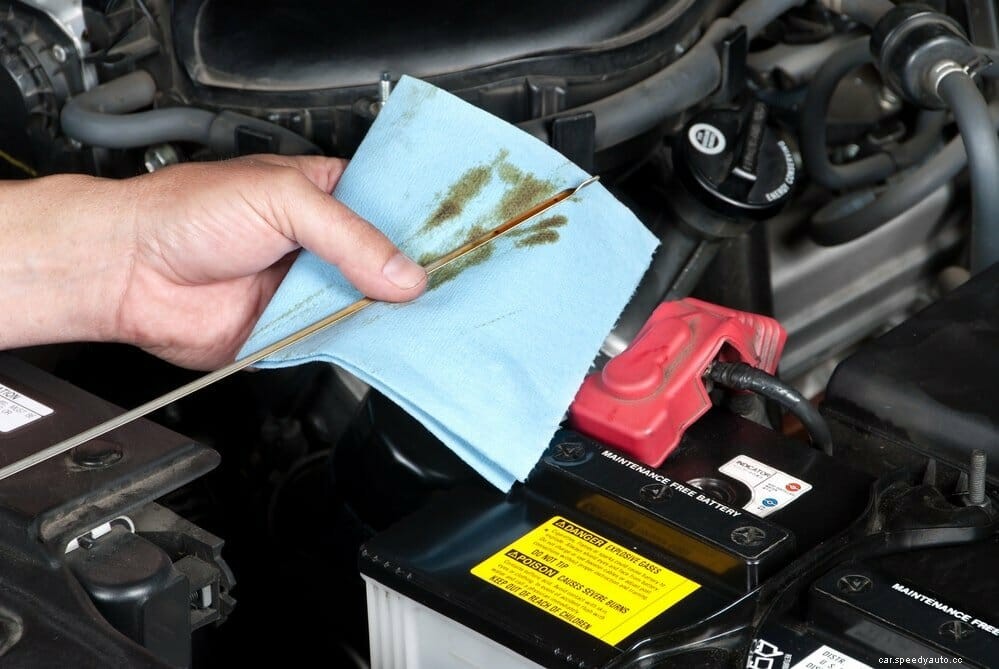
Next, you should reinstall it and check the quality of your engine oil, because bad engine oil can lead to bad performance, system wear, and rod knock. So here’s how you should do it.
Any compelling evidence that the oil is dirty or not thick enough should usually lead to the rod knock disappearing after you change the oil. If it doesn’t stop, you should go to a professional repair center and diagnose this issue.
Remember when you start to do this keep an oil catch pan nearby so you don’t spill oil on your entire workspace. Which could end up causing a messy situation. Before draining, look at the engine cover to determine the thickness of the oil used by the engine.
This is important to avoid replacing the old oil with the wrong type of oil. Before draining the old oil, take a clear container to place the bottle of oil in to get a closer look at it. Drain the remaining oil after removing the sample for close inspection.
If you are able to find metal shavings in the engine oil, this indicates wear on engine parts. Chips can come out of connecting rods, crank bearings, or other internal parts of the engine and cause knocking.
The problem, there is no way of concluding where the shavings or chips of metal or from. So the engine oil will not reveal the entire story.
If the oil is not changed regularly, it will age and the brass coating of the bearings will begin to corrode. This is especially true for bearings further away from the oil pump, as the oil flow is less than the oil flow for bearings closer to the pump.
You should also check the color of the oil. Dark brown means the oil is old or dirty and needs to be replaced. And if the oil is too thin, it must be replaced.
If you want to know how to extend the life of your vehicle’s connecting rod and bushings, it is very simple. Always change your vehicle’s engine oil at correct intervals.
To fix rod knock by yourself you could try some of the following which could fix or help reduce the work required to fix rod knock.
Rod knock is a sign that the problem is in the engine’s internal components. As discussed above, several factors can cause rod knock. While some repairs are expensive and others are not you will have to go through a lot to get to the bottom of what is causing rod knock symptoms.
This does not mean that your machine is beyond repair. However, before you call your dealer or mechanic, there are steps you can take to reduce rod knock and potentially stabilize your machine before attempting a thorough repair.
The first thing you could try is changing your vehicle’s engine oil. Which you can do by yourself. The process of replacing engine oil is not hard. This is could be an easy as well as a cheap fix if you are encountering rod knock symptoms.
Next, check the oil filter. Using the oil filter wrench, remove the oil filter by holding the oil filter and turning it clockwise. Install a new filter and see the recommended specifications. Change engine oil to the same oil viscosity or recommended oil.
Using oil too thick can reduce performance at the same time using oil that isn’t thick enough can cause rod knock.
There are some other simple problems follow the below-given instructions to check if you can simply fix them.
If the connecting rod cap is loose, a knocking sound can be heard. Check and tighten the screws holding the boom to the cover. Inspect the connecting bar bearings and replace them if necessary.
When refueling at a gas station, dust and debris can get into the filling hole. When the fuel pump pumps gasoline into the engine, it ejects dust and debris, which could contaminate the oil which in time can lead to, you guessed it rod knock.
Cleaning the fuel injection system will remove these contaminants which can cause rod knock. If you have an older car with a carburetor, don’t use a refueling detergent. Instead, take a vaporizer cleaner and spray it on your carburetor.
These are some simple tasks that you can go through before submitting your car to a mechanic. There is a chance that this might work. But if it doesn’t, visiting a mechanic is your best option.
We already mentioned a few minor issues that could cause rod knock. These are problems that you can easily fix by yourself. But rod knock could be a much more complicated issue. Let us look at a few reasons why rod knock is caused.
The actual rod knock occurs when the rod bearing wears. This occurs when the hydrodynamic oil wedge between the bearing surface and the crankshaft connecting pin is lost. This can be caused by one or a combination of several factors.
The first and primary cause is engine oil. Insufficient oil pressure, low oil viscosity, insufficient oil flow on the bearing surface, and excessive oil temperature are the main oil-related reasons why rod knock is caused.
Apart from those, increased pressure while combustion, or exceeding engine speed could also cause rod knock. The high engine speed causes high piston inertia force which causes rod knock.
All of this can cause overheating or physical damage to the bearing material, which in modern engines is a lead-free aluminum alloy. When the bearing material is too hot, it spreads and can then actually melt.
Leaving a very large gap relative to bearing sizes of course, between the bearing surface and the crankshaft. Now the crankpin begins to “hit” the large end of the rod that wraps it around.
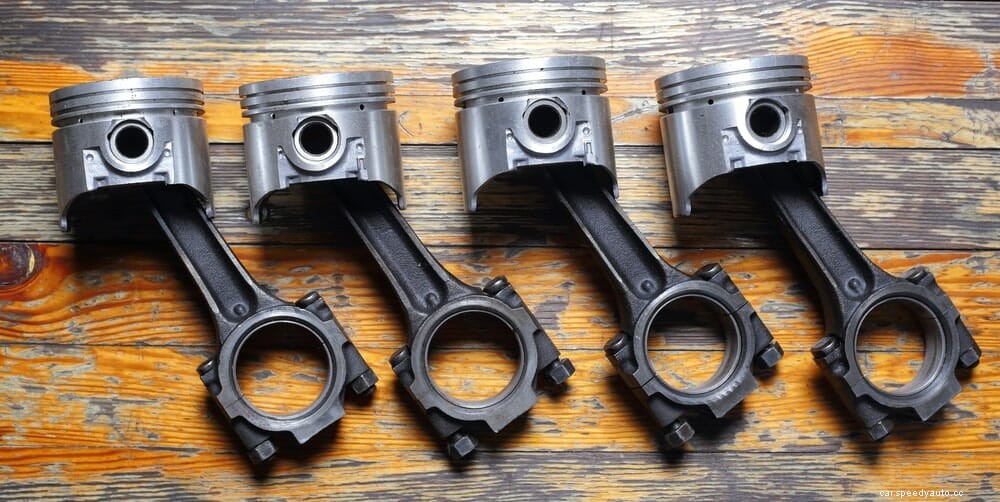
A real rod knock can quickly become, a get out of your vehicle and walk home situation. After rod knock starts, a sufficiently large bearing gap can result in breaking the connecting rod and subsequent holes in the side of the engine block.
Along with other cascading effects from the drop in oil pressure and bits of bearing material all the way to other parts.
Though rod knock is one of the worst things you can face as a car owner, it is not as common as a lot of people think. If you maintain the engine oil properly, your connecting rod should last more than your car. But people tend to mistake other issues as rod knock and start to panic.
After all, you only have the knocking sounds to diagnose rod knock. But just because you hear a knocking sound, it doesn’t mean you have a faulty rod. It could be something else.
Here are some other problems that are commonly mistaken as rod knock.
Worn bearings are a common cause of rod knock. As the piston moves up and down in the car’s engine, it rotates the crankshaft, which is responsible for transferring power to the wheels. The bearings serve to smooth and control the movement of the piston.
However, these bearings can wear out over time and lose their position. As the bearings wear, the piston rod hits the crankshaft, making a characteristic knock. The only way to fix this problem is to replace the bearings deep inside the engine.
Another cause of detonation knock which is very similar and can be mistaken for rod knock is improper engine control. The time indicates the ignition time of the firing of spark plugs. This synchronization is controlled by the computer.
When the time runs out, the spark will not ignite when needed, resulting in multiple explosions in the cylinder. This is what caused the explosion. To make this possible, the timing has to be fixed.
This problem is an easy fix, just requiring you to use a higher octane fuel the next time you fill the car.
Another cause of detonation knock is the presence of a poor fuel-air mixture. This problem can be caused by a faulty oxygen sensor, a faulty fuel injector, a faulty fuel pump, or a faulty MAF sensor. Lean mixing occurs when there is too little fuel and too much air.
Without the right amount of fuel, the mixture will not ignite fast enough and will explode several times.
Another reason why you might be encountering rod knock symptoms is a faulty knock sensor. Luckily this doesn’t happen very often with new cars as the air/fuel ratio, weather, and fuel injectors are controlled by the computer.
The knock sensor detects any situation that is causing noise and alerts the ECU where corrective action can be taken immediately. So if the car has a bad knock sensor, the computer won’t be able to fix the problem and can cause the engine to produce sounds similar to rod knock.
The last reason you can hear the engine knocking is that there is no sound coming out of the engine at all. If the accessory strap is not under the correct tension, it may make the same sound.
When the engine rotates, the belt rotates.
It connects to several shims in the engine bay and needs to be properly tightened to run smoothly and quietly. If the belt becomes loose, it means the tensioner is not working properly. However, problems can also arise if one of the rollers is bent.
This condition causes rattling, popping, and clicking sounds that can be mistaken for rod knocking. To fix this, you only need to replace the belt, tensioner, or spool.
Here are some of the most common questions regarding rod knock symptoms: Causes & Fixes.
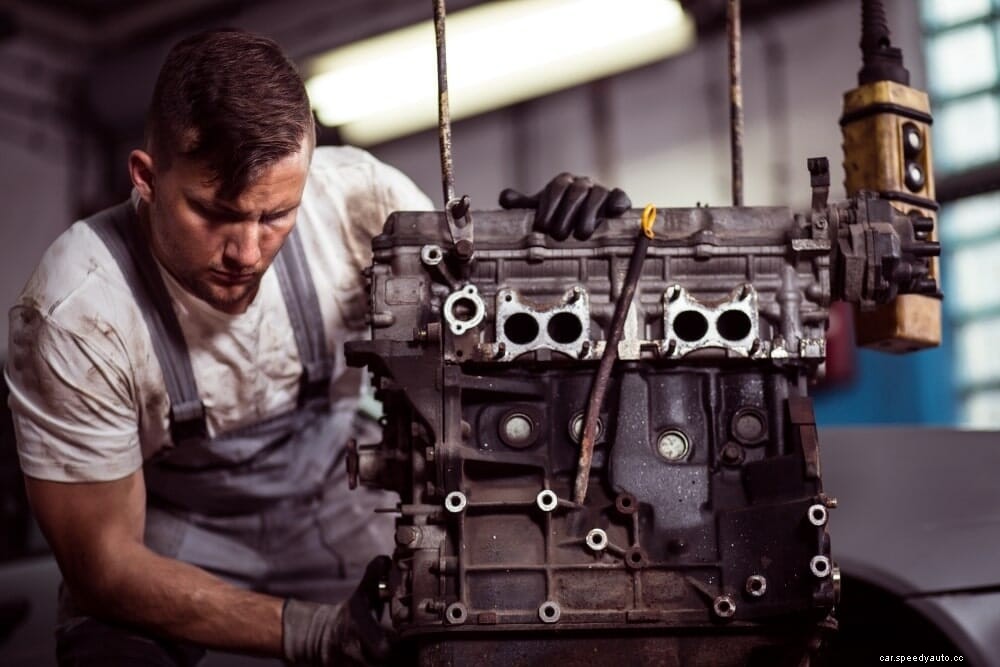
Estimates for repairing engines with blown connecting rods vary by engine type, make, and model. The engine must also be removed from the vehicle and disassembled. Gaskets, cylinder head bolts, pistons, bearings, and possibly even the crankshaft should be replaced.
Not every service technician has the knowledge and experience to troubleshoot this type of thing. You may want to at least get some estimates and references before making a decision.
Many people consider buying a different car instead of spending money on engine repairs. Some drivers buy new or reconditioned engines. Prices range from $2,500 to $10,000 for a stem repair.
The answer is yes. You can drive a vehicle with rod knock. However, you shouldn’t. Driving a car with rod knock will cause even more serious damage to your engine and can increase overall repair costs.
If there is not enough oil, the bearings may overheat and cause the connecting rods in the engine to break.
This can cause fatal damage to your engine, including holes through the engine block. Thus it is recommended that you take your car to the nearest qualified service center to address the issue before causing any further damage by driving a vehicle with a rod knock.
The answer depends on how well you maintain your car. As long as you do all the routine oil changes properly, your connection rod will never fail.
But if you mess up the engine oil with the wrong type, or ignore routine oil changes, your rod will fail promptly.
If your car’s engine is idle and suddenly starts knocking, turn it off immediately. There may not be enough oil in the engine and this is one of the first things to check. Drain the oil and fill it with new oil to the required level and change your oil including the oil filter.
Most engines require about five liters of oil to be completely replaced if you remove the oil completely. Low octane fuel can also cause this problem. Consult your car’s owner’s manual to confirm the correct octane rating of the fuel to be used.
As the bearings wear out, the knocking gets worse and neither of these solutions can correct the impact of the car engine shaft. Avoid driving the car until repairs are arranged. Fixing rod knock should only be done in the hands of a qualified professional mechanic. Other sensor symptoms may appear when running an OBD2 scan.
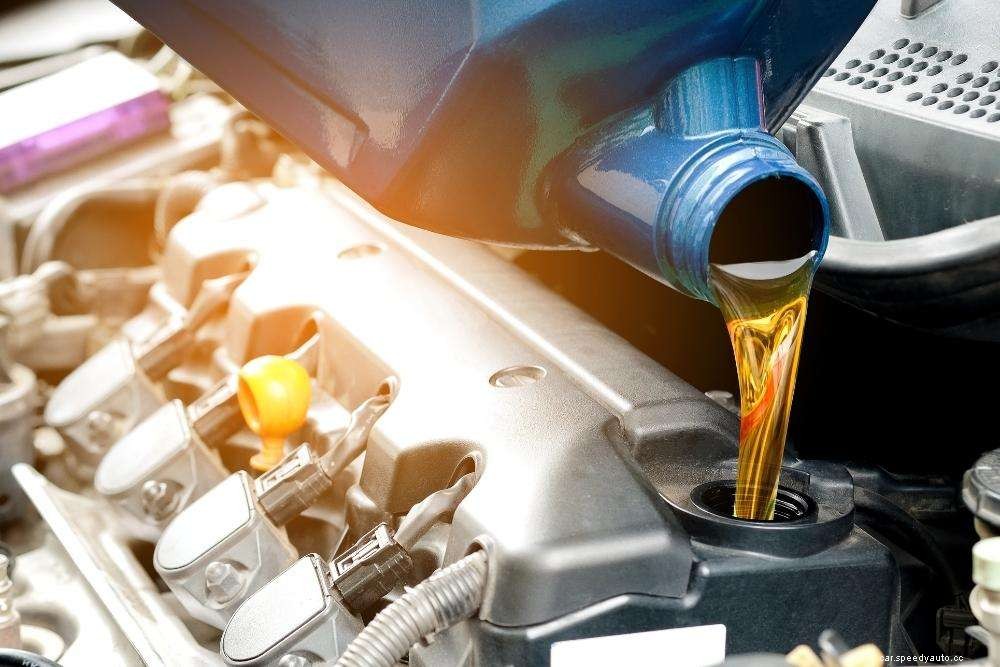
Thicker oil may be able to mask the rod knock for a while, but engine failure is going to come sooner or later if you don’t fix your rod knock.
So, yes thicker oil can stop rod knock temporarily and then you have to use even thicker oil as the rod knock starts getting worse, so it is recommended that you commence with rod knock repairs as soon as possible if you encounter rod knock.
Rod knock sounds like a low-pitched knocking sound coming from the engine. The knocking frequency will increase when you accelerate or according to the speed you are driving. If the knocking sounds dull down as the engine heats up, it is probably not caused by a faulty rod.
There is no denying that rod knock is one of the worst car problems out there. But it is often emphasized as a problem that cannot be repaired. So when car owners hear knocking sounds, they immediately come to a conclusion that the car they are driving is about to die.
In reality, rod knock is not a common issue. But the knocking sounds from your engine are pretty common. Meaning rod knock symptoms aren’t unique to a faulty rod. It could a minor problem such as low engine oil.
So you need to know how to diagnose the problem. Go through some of the easy fixes that we discussed earlier. It might solve the issue. If the knocking sound persists, and you cannot find the source, you will have to visit a mechanic.
