
If you’re experiencing problems with your transfer case shift motor, don’t worry – you’re not alone. Many people have this problem, and it can be difficult to fix.
You can test the transfer case shift motor manually or electrically (which is more precise). All you need for the electrical testing are some basic tools and a multimeter.
With the multimeter set to volts, you can check for power at the connector that connects the shift motor to the control module. If there is no power, or if the voltage is low, it indicates that there may be a problem with either the fuse or that supplies power to the shift motor.
In this article, we will discuss how to test the transfer case shift motor and find out what’s causing the problem. We’ll also provide some tips on how to fix it if it’s broken.
The transfer case control module is responsible for controlling the shift motor. It tells the motor when to shift into different gears and ensures that the vehicle is in the proper gear for driving conditions.
If there is a problem with the transfer case control module, it can cause problems with shifting gears.
The transfer case control module is a component of the four-wheel-drive system that manages the power flow between the front and rear axles. It receives input from the engine and transmission and sends commands to the transfer case and other components in the drivetrain.
The control module also monitors various system functions and reports any issues to the driver. When problems occur, they can often be attributed to a failed or malfunctioning transfer case control module.
If this is the case, it will need to be replaced in order to restore proper function to the four-wheel-drive system.

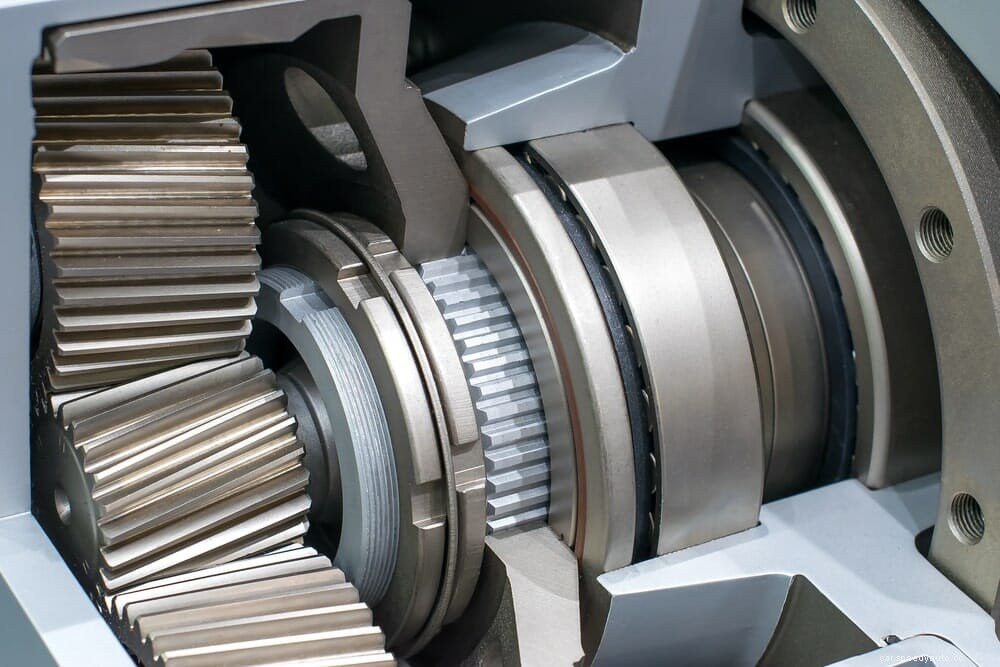
The transfer case shift motor is responsible for shifting the gears in the transfer case. It’s a small electric motor that is controlled by the transfer case control module. When the vehicle is placed in drive, the control module sends a signal to the shift motor telling it to engage the proper gear.
The shift motor is located on the outside of the transfer case and is connected to the control module by a series of wires. If there is a problem with the shift motor, it can often be diagnosed by checking for power at the connector that connects it to the control module.
If there is no power, or if the voltage is low, it indicates that there may be a problem with either the fuse or that supplies power to the shift motor.
The transfer case shift motor is responsible for shifting the gears in the transfer case. It’s a small electric motor that is controlled by the transfer case control module. When the vehicle is placed in drive, the control module sends a signal to the shift motor telling it to engage the proper gear.
The shift motor is located on the outside of the transfer case and is connected to the control module by a series of wires. If there is a problem with the shift motor, it can often be diagnosed by checking for power at the connector that connects it to the control module.
There are several symptoms of a bad case shift motor, the most common being that the four-wheel-drive system will not engage.
Other symptoms may include grinding or whining noises coming from the transfer case, trouble shifting gears, and inability to move the vehicle in certain directions. If you are experiencing any of these issues, it is likely that the case shift motor needs to be replaced.
There are a few ways to know if your shift case control module is bad. One way is to check the fuse. The fuse should be located in the engine compartment, and it may be labeled “transfer case.” If the fuse is blown, it indicates that there is an electrical problem with the system.
Another way to tell if the module is bad is to listen for noises coming from the transfer case. If you hear grinding or whining noises, it’s a good indication that something is wrong with the system.
Finally, if you’re having trouble shifting gears or moving the vehicle in certain directions, it’s likely that the transfer case shift motor needs to be replaced.
If your transfer case motor is bad, it can cause serious problems with your 4WD system. Not being able to engage or disengage your 4WD can lead to accidents, and the grinding or humming noise can be quite embarrassing.
Puddle buildup under the transfer case can also damage other parts of your car, so it’s important to get this issue fixed as soon as possible.
There are two ways to test the transfer case shift motor: manually and electronically.
To test the transfer case shift motor manually, you’ll need to remove the shifter knob and boot from inside the vehicle. Once these are removed, you should be able to see a small hole in the center of the shifter shaft. Inside this hole, there is a small pin that actuates the shift motor.
Using a small screwdriver or another tool, you can push and hold this pin in while someone else turns the key to the ON position. The transfer case should shift into the correct gear, and the vehicle should be able to move.
To test the transfer case shift motor electronically, you’ll need a multimeter and a few other tools. The procedure goes as follows:
Testing a transfer case shift motor can be a difficult task, but by following these steps, you can accurately determine whether or not the motor is working properly.
If you are experiencing any problems with your shift motor, then these steps will help you troubleshoot and fix the problem. Always make sure to take accurate measurements so that you can identify any potential problems.
If you’re having problems with your four-wheel-drive system, the best thing to do is take it to a mechanic and have them test the transfer case shift motor. If the motor is bad, they will be able to replace it for you.
However, if you’re feeling adventurous and want to try replacing it yourself, stick to the guide and be sure to follow it carefully.
If your transfer case shift motor is not working, you may be wondering if you can repair it yourself. The good news is that many times, this is a repairable problem. The bad news is that there are a few things you need to know before you get started.
First, it is important to understand the function of the transfer case shift motor. This motor helps to change gears in the transfer case, allowing the vehicle to move seamlessly from two-wheel drive to four-wheel drive.
If this motor is not working properly, it can cause the gears in the transfer case to become stuck, making it difficult or impossible to change gears.
If you are confident in your ability to repair small engines and motors, then you may be able to fix the problem yourself. The first step is to remove the cover of the motor and inspect it for damage. If the motor is damaged, you will need to replace it.
If the motor looks okay, check the wiring for any signs of damage or corrosion.
If the wiring is okay, try cleaning the connector terminals with a wire brush. If this does not solve the problem, you may need to replace the connector. Once you have repaired or replaced any damaged parts, reattach the cover and test the motor.
If it is still not working, take it to a mechanic for further diagnosis and repair.
While repairing your own transfer case shift motor can be challenging, it can save you money in the long run. If you are up for the challenge, follow these steps and see if you can get your motor working again.
If you determine that the transfer case shift motor is bad, it will need to be replaced. It’s a relatively easy task and can often be done without removing the transfer case from the vehicle. All you need are some basic tools and a new shift motor.
The procedure for replacing the shift motor will vary depending on the make and model of your vehicle, so it’s best to consult your owner’s manual or call a technician for assistance. In most cases, however, the process is fairly straightforward.
Once the old shift motor is removed, the new one can be installed in its place. Simply reconnect the wires and bolt them in place. Then reattach the cover to the transfer case and you’re done.
The life of a transfer case shift motor can vary depending on the make and model of your vehicle, as well as how often it’s used. In most cases, however, the motor will last for several years before needing to be replaced.
There are several things that can cause a transfer case shift motor to fail. Some of the most common causes include water damage, excessive heat, and corrosion.
Replacing a transfer case shift motor can vary in price depending on the make and model of your vehicle. However, in most cases, it will cost between $100 and $200.
The best way to be sure that your four-wheel-drive system is working as it should is to have a mechanic test the transfer case shift motor. They will be able to tell you if anything is wrong and how much it will cost to repair it.
If you’re unable to fix your transfer case shift motor, don’t worry. There are many mechanics who can do this for you. All you need to do is take your vehicle in for service and they will take care of the rest.
A bad transfer case shift motor can cause serious problems with your four-wheel-drive system.
If you’re having trouble shifting gears or moving the vehicle in certain directions, it’s likely that the transfer case shift motor needs to be replaced. There are two ways to test the transfer case shift motor: manually and electronically.
Always make sure to take accurate measurements so that you can identify any potential problems. If you’re having problems with your four-wheel-drive system, the best thing to do is take it to a mechanic and have them test the transfer case shift motor.
If the motor is bad, they will be able to replace it for you. However, if you’re feeling adventurous and want to try replacing it yourself, stick to the guide and be sure to follow it carefully.
