
In case you’re a Honda Accord owner, then you know that it’s important to keep up with regular maintenance. One of the most important components of your car’s engine is the fuel filter.
This component help keep your car running smoothly by filtering out dirt and debris from the fuel before it enters your engine, and if it becomes clogged, it can cause serious problems.
In this post, we will discuss where the Honda Accord fuel filter is located according to the year of each model.
The fuel filter on a Honda Accord is located in the engine compartment, on the driver’s side of the car. It is a black, cylindrical filter that is about two inches in diameter and four inches long.
A fuel filter is a small, replaceable component in your car’s fuel system. Its job is to remove contaminants from the gasoline before it reaches the engine.
These contaminants can build up over time and cause all sorts of problems, including decreased gas mileage, loss of power, and even engine failure. That’s why it’s important to change your fuel filter every few years or so.
Yes, every Honda Accord has a fuel filter. However, the location of the filter can vary depending on the model year.
The average cost for a Honda Accord fuel filter replacement is between $100 and $200. Labor costs are estimated between $79 and $100 while parts are priced at $50 to $100.
This range does not include taxes and fees and does not factor in your specific vehicle or unique location. When it’s time to change your fuel filter, be sure to take it to the pros to get the job done right.
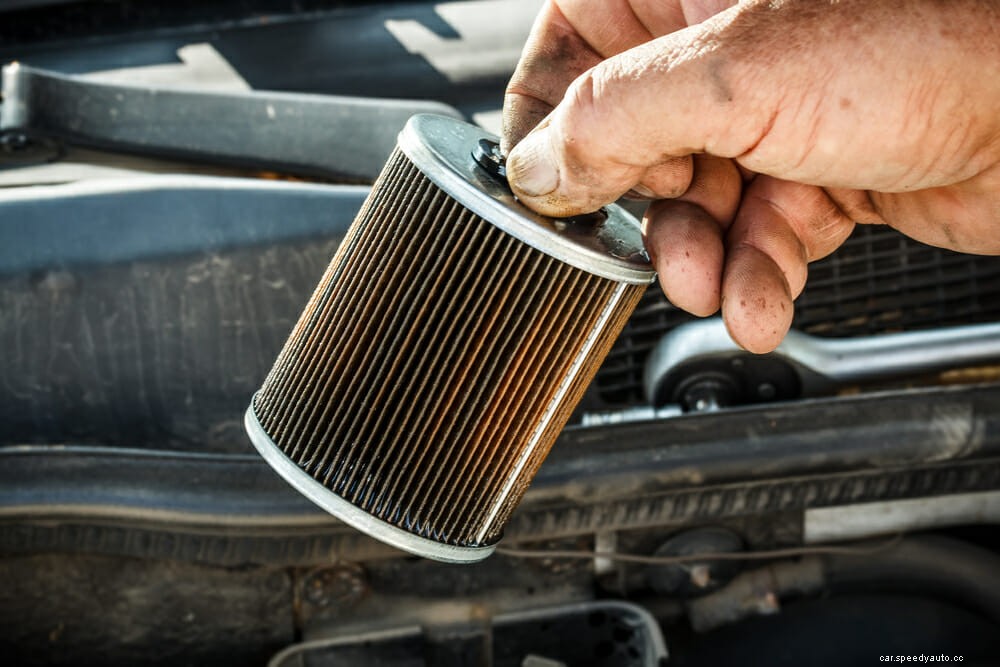
The frequency with which you should change your fuel filter depends on a few factors, including your driving habits and the type of gas you use. If you drive mostly in stop-and-go traffic or live in an area with a lot of dust and dirt, then you may need to change your filter more often.
Likewise, if you use lower-quality gas or don’t add fuel system cleaner to your tank regularly, then those elements can clog up your filter over time and cause problems. In general, though, most experts recommend changing your fuel filter every 30,000 miles or so.
Replacing the fuel filter is a relatively simple task that can be completed in about an hour. Here’s a step-by-step guide to replacing the fuel filter on a Honda Accord:
It’s generally located on the driver’s side, near the fuel tank. Once you’ve found it, detach the negative battery cable to prevent any sparks.
Use a wrench to loosen the bolts that secure the fuel filter in place and remove the lid. Be careful not to lose any parts! Inside, you’ll find the old filter.
Remove the old fuel filter and replace it with a new one making sure everything is tight and secure before reattaching the negative battery cable.
Tighten the bolts that secure the fuel filter in place.
Start your car and check for leaks before taking it for a drive.
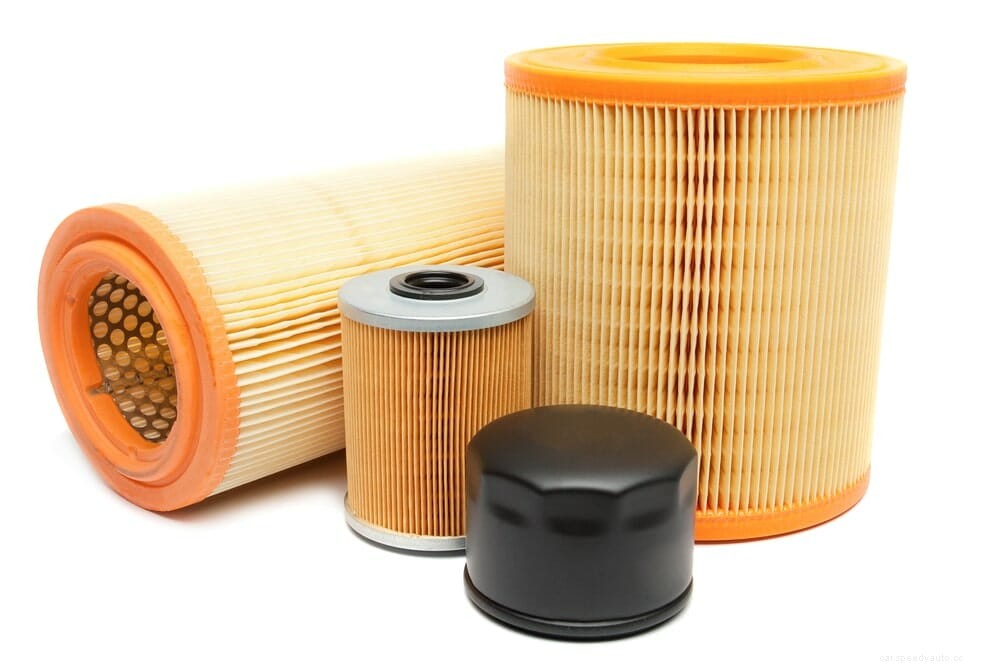
There are a few signs that your fuel filter needs to be replaced:
Over time, your fuel filter will become clogged with dirt and debris, making it less effective. This can lead to decreased fuel economy as your engine has to work harder to get the same amount of fuel.
If your engine is having trouble getting enough fuel, it may stall or sputter. This is especially common when accelerating.
If your car is producing dark exhaust smoke, it’s a sign that the fuel filter is clogged and needs to be replaced.
If your car is having difficulty starting, it may be due to a dirty or clogged fuel filter.
Here’s how to unclog a fuel filter on a Honda Accord:

In most cases, it depends on the model and year of your Accord. For example:
In case you have a 1998 Model Honda Accord, the fuel filter is located under the hood, on the passenger’s side, near the firewall.
The Honda Accord DX has the fuel filter located under the left side of the car, near the transmission.
The fuel filter is located on the driver’s side near the back wheel. It is a black box with two hoses coming out of it.
The fuel filter is located at the bottom of the fuel tank. The fuel filter is located on the driver’s side, rear of the engine, under the break master.
The fuel filter is located under the car, on the driver’s side. There is a small access panel that you can remove to get to it.
The 2006 Honda Accord fuel filter is located in the fuel tank. There is no need to replace it unless you have a problem with your fuel system.
The fuel filter in the 2007 Honda Accord is located under the hood, on the left side of the engine compartment. It is mounted to the frame near the firewall.
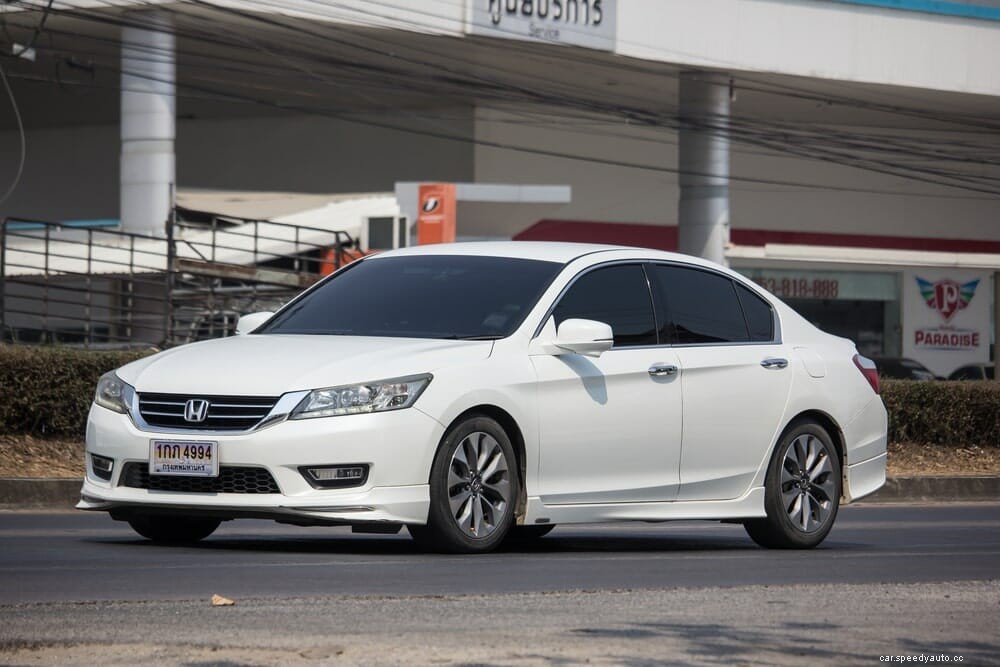
The 2008-2009 Honda Accord fuel filter is located in the fuel tank. The fuel pump will pull the fuel from the tank and push it through the filter to the engine.
The 2010 Honda Accord has a fuel filter located on the driver’s side almost by the steering rack.
The fuel filter in the 2011 Honda Accord is located between the fuel tank and the engine.
The 2012-2013 Honda Accord has a fuel filter located on the driver’s side, under the car. It is mounted to the frame near the firewall.
The fuel filter in the 2014-2015 Honda Accord is located inside the fuel tank and is a part of the fuel pump assembly.
The 2016 Honda Accord has a fuel filter located on the driver’s side, under the car. It is mounted to the frame near the firewall.
The 2017-2018 Honda Accord has a fuel filter located between the fuel tank and the engine.
The fuel filter is located on the driver’s side, under the car. It is mounted to the frame near the firewall.
The fuel filter on a Honda Accord is located in the engine compartment, on the driver’s side of the car. It is a black, cylindrical filter that is about two inches in diameter and four inches long.
The fuel filter is responsible for trapping impurities in the fuel before they reach the engine. Over time, these impurities can build up and clog the filter, reducing fuel efficiency and causing engine problems.
