
The ignition system in your car is made up of many different parts, all of which are important for making your vehicle run. One of the most important components is the spark plug. If a spark plug becomes stuck, seized, or fused, it can cause major problems with your car.
A stuck spark plug can cause a lot of headaches, particularly when you’re in the middle of a project. Thankfully, you can solve this problem easily by using penetrating oil on stubborn and seized spark plugs.
Fused plugs are more difficult to remove as you will need to use a heat gun to help you get them out. In this article, we will discuss how to remove a stuck spark plug and what to do if you encounter this problem.
The spark plug is one of the most important components in the ignition system of an engine. It is responsible for creating the spark that ignites the fuel/air mixture in the cylinders.
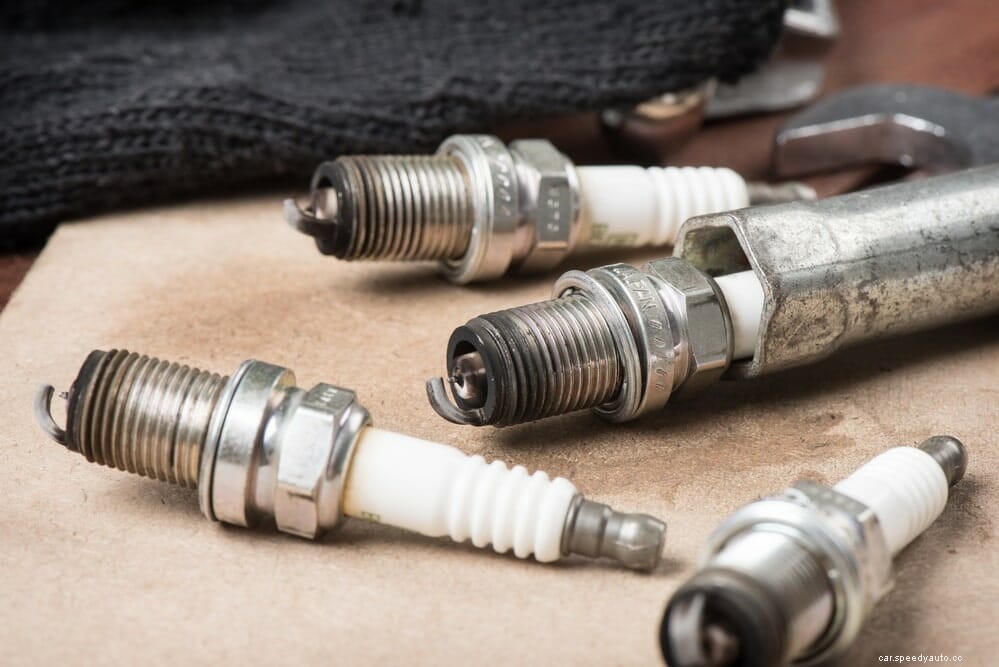
A typical spark plug consists of a metal shell, a center electrode, and a ground electrode. The metal shell is threaded so that it can be screwed into the engine’s cylinder head. The center electrode is connected to the ignition coil, and the ground electrode is connected to the engine block.
When the ignition system is activated, voltage is applied to the center electrode. This voltage creates a spark that jumps across the gap between the center and ground electrodes. The spark ignites the fuel/air mixture in the cylinders, and the engine starts running.
The life of a spark plug can vary depending on the type of engine and the type of driving that is done. In general, spark plugs should be replaced every 10,000-15,000 miles. Many automakers now offer iridium or platinum-tipped spark plugs that can last up to 50,000 miles.
The spark plugs are located in the engine’s cylinder head. The cylinder head is the part of the engine that covers the cylinders. The spark plugs are located in the combustion chamber, which is the area where the fuel/air mixture is ignited.
The location of the spark plugs can vary depending on the type of engine and the type of vehicle. In most engines, the spark plugs are located in the center of the combustion chamber. However, some engines have offset spark plugs, which are located off-center.
Most vehicles have four or six spark plugs. The number of spark plugs varies depending on the type of engine and the type of vehicle. For example, a V8 engine has eight cylinders, so it would have eight spark plugs.
A spark plug can fail for a number of reasons, including fouling, misfiring, and corrosion. When a spark plug fails, it can cause the engine to run poorly or not run at all. In some cases, a failed spark plug can damage the engine.
Fouling is a common problem with spark plugs. Fouling occurs when deposits build up on the electrodes of the spark plug. These deposits can reduce the performance of the spark plug and cause the engine to run poorly.
Misfiring is another common problem with spark plugs. Misfiring occurs when the spark plug does not generate a spark, which can cause the engine to run rough or stall.
Corrosion is also a common problem with spark plugs. Corrosion can occur when the electrodes of the spark plug become corroded, which can cause the engine to run poorly or not run at all.
In some cases, a bad spark plug can damage the engine. Misfiring can cause the engine to run rough or stall. If this happens often enough, it can damage the engine.
Corrosion can also cause damage to the engine. Corrosion can occur when the electrodes of the spark plug become corroded, which can cause the engine to run poorly or not run at all.
A spark plug can get stuck for a number of reasons, including fouling, misfiring, and corrosion. Fouling is a common problem with spark plugs. Fouling occurs when deposits build up on the electrodes of the spark plug.
These deposits can reduce the performance of the spark plug and cause the engine to run poorly. Misfiring is another common problem with spark plugs. Misfiring occurs when the spark plug does not generate a spark, which can cause the engine to run rough or stall.
Corrosion is also a common problem with spark plugs. Corrosion can occur when the electrodes of the spark plug become corroded, which can cause the engine to run poorly or not run at all.
In most cases, the best way to remove a stuck spark plug is to use a spark plug socket and a ratchet. The spark plug socket is a special socket that has a recess at the end that fits over the electrode of the spark plug.
A ratchet is a tool that can be used to turn the bolt or nut that holds the spark plug in place. The following steps can be used to remove a stuck sparkplug:
If the spark plug is stubborn and will not come loose, you can use a breaker bar or a pipe wrench to help loosen it. A breaker bar is a tool that is similar to a ratchet, but it has a longer handle. A pipe wrench is a tool that is designed to grip round objects, such as pipes.
In some cases, you may need to remove the head of the engine in order to access the spark plugs. If this is the case, you will need to remove the bolts that hold the head in place and then lift off the head.
Be sure to consult a repair manual for specific instructions on how to remove the head of your engine.
Removing a stuck or seized spark plug can be difficult, especially if the plug is fused to the engine. There are several methods that can be used to remove a stuck or seized spark plug:
Once the spark plug is removed, be sure to clean any debris or deposits that may have built upon the electrodes. You can use a wire brush or sandpaper to clean them off. If the electrodes are severely fouled, you may need to replace the spark plug.
If you are having difficulty removing a stuck or seized spark plug, it is best to consult a mechanic for assistance. They will have the tools and experience to remove the spark plug without causing damage to the engine.
Spark plugs can become fused to the engine for several reasons:
If you are having difficulty removing a stuck or fused spark plug, it is best to consult a mechanic for assistance. They will have the tools and experience to remove the spark plug without causing damage to the engine.
Removing fused spark plugs can be a difficult and frustrating task. The main reason for this is that the plugs are often very tightly fitted into the engine.
In addition, if the plugs have been in place for a long time, they may be corroded to the point where they are almost impossible to remove.
There are a few methods that can be used to remove fused spark plugs. One is to use a tool known as a spark plug socket. This is a specially designed socket that has a built-in extension bar. The extension bar allows the user to apply more torque to the plug when removing it from the engine.
Another method that can be used to remove fused spark plugs is to use a breaker bar. A breaker bar is a long, heavy-duty wrench that can be used to apply more torque to the plug than a standard wrench.
If the plugs are corroded and difficult to remove, they can sometimes be loosened by using penetrating oil. Penetrating oils are oils that are designed to loosen rust and corrosion. They can be applied to the plugs before attempting to remove them.
Once the plugs have been removed from the engine, they should be examined to determine why they became fused. If the plugs are badly corroded, they may need to be replaced.
Spark plug corrosion can be a difficult problem to solve. The main reason for this is that the corrosion can often be located deep inside the spark plug hole. In addition, the corrosion can often be very thick and hard to remove.
However, there are a few methods that can be used to try and remove the corrosion. The first is to use a wire brush. This can often be effective in removing the corrosion from the surface of the spark plug.
However, it may not be able to remove the corrosion from the hole itself. Another method that can be used is to use a drill. This can be effective in removing the corrosion from the hole itself. However, it can be difficult to do and may not be possible in some cases.
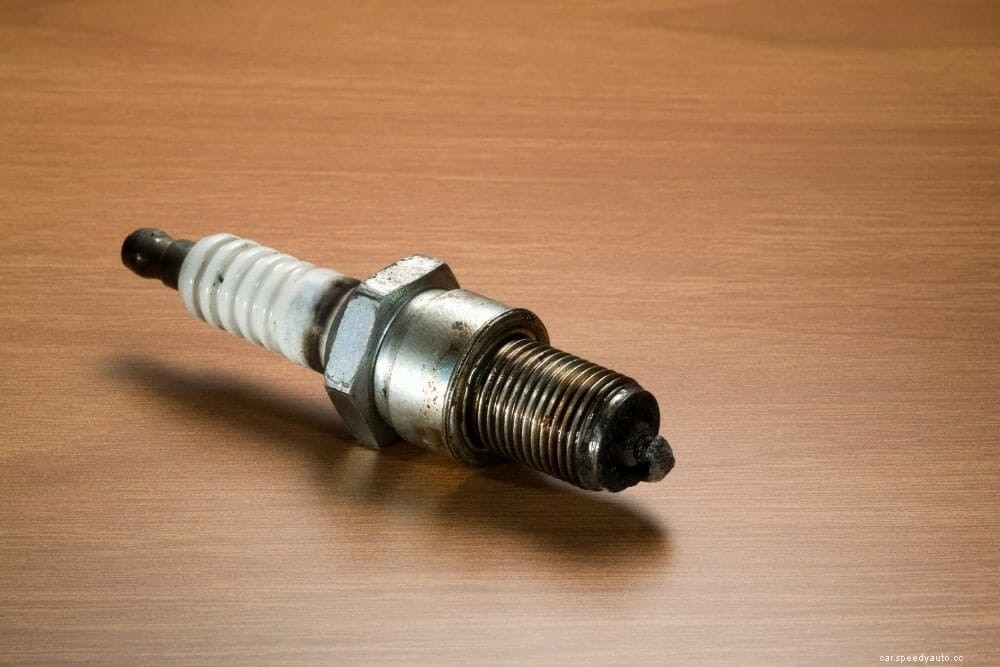
Finally, another method that can be used is to use a chemical cleaner. This can often be very effective in removing corrosion. However, it can also be expensive and may not be available in all areas.
So, if you are experiencing problems with spark plug corrosion, try one of these methods and see if it solves the problem.
Cleaning spark plugs is a relatively simple task, but it is important to do it properly in order to ensure that the plugs are working properly.
There are a few steps that should be followed when cleaning spark plugs:
Once you have followed these steps, your spark plugs should be properly cleaned and ready to use.
There are a few things you can do to help avoid stuck spark plugs. First, make sure that your spark plugs are the correct type and size for your engine. Using the wrong type of plug can lead to seizures.
You should also check the gap between the plug electrodes and make sure it is set correctly. A gap that is too wide or too narrow can cause problems with ignition.
Finally, be sure to use the correct grade of fuel and keep your engine properly tuned. Running a dirty or low-quality fuel can lead to deposits that can clog the spark plugs.
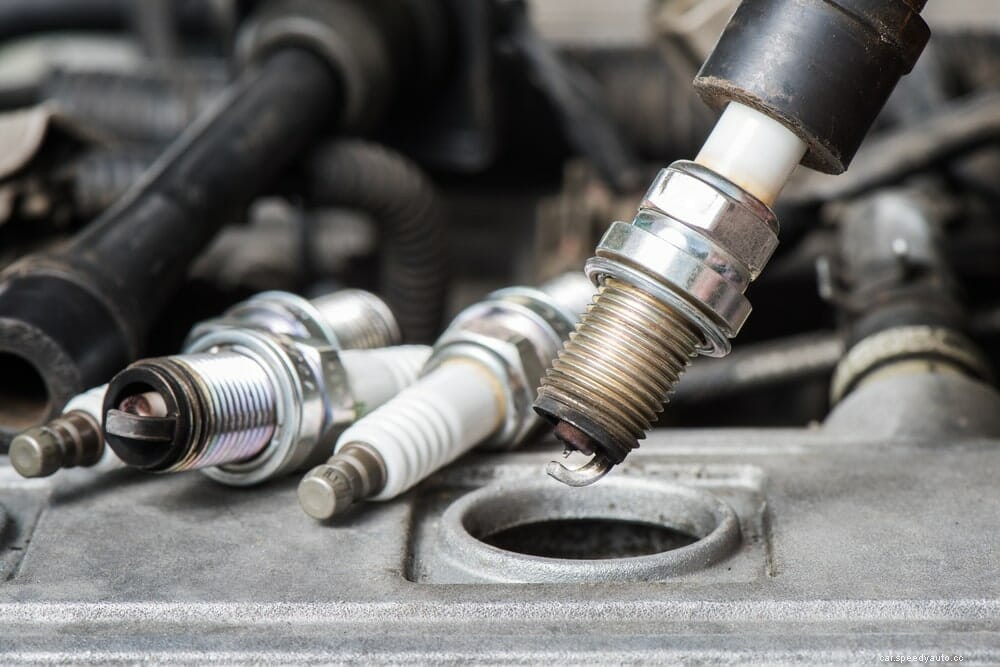
If you don’t gap spark plugs correctly, they may not work properly. This can result in a loss of power and poor performance from the engine. In addition, it can also cause damage to the plugs themselves.
There are a few ways to tell if your spark plugs need to be replaced. One way is to check the condition of the electrodes. If they are blackened or covered in carbon deposits, then the plugs probably need to be replaced.
Another way is to listen for an increase in noise from the engine. If you hear a rattling noise, it may be caused by bad spark plugs. Finally, you can also check the fuel economy of your car. If it is not as good as it used to be, the spark plugs may be at fault.
If you are experiencing any of these problems, it is probably time to replace your spark plugs.
There are a few ways to clean carbon deposits from spark plugs. One way is to use a wire brush or a rag. Another way is to use a chemical cleaner. Finally, you can also try using an ultrasonic cleaner.
All of these methods should remove the carbon deposits from the electrodes of the plugs.
No, you do not need to remove your distributor cap when changing your spark plug wires. However, it is a good idea to check the condition of the cap and the rotor button while you are at it. If either of these parts are damaged, they should be replaced.
You can use a regular wrench to remove spark plugs, but it is not recommended. A wrench can damage the plug or strip its threads. It is best to use a spark plug socket, which is specifically designed for this purpose.
Removing a stuck or fused spark plug can be a difficult task. However, there are a few methods that can be used to try and remove the obstruction. You can easily remove stuck and stubborn plugs by using propane oil. A heat gun is a great tool for removing fused plugs.
If the plugs are badly corroded, they may need to be replaced. Cleaning spark plugs is a relatively simple task, but it is important to do it properly in order to ensure that the plugs are working properly.
Finally, if you are experiencing problems with spark plug corrosion, try one of these methods and see if it solves the problem. Thanks for reading!
