
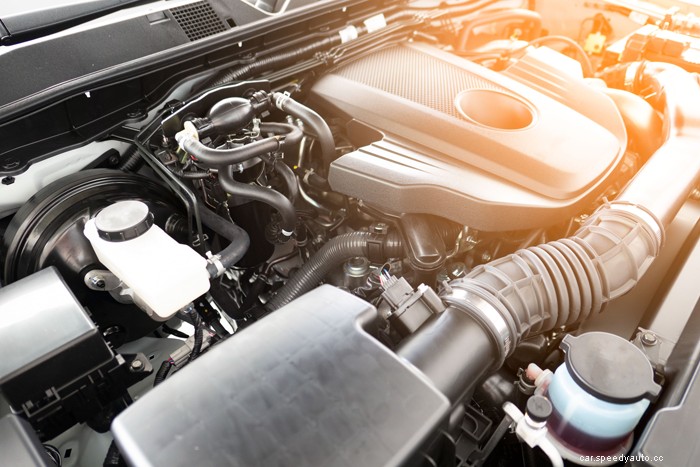
While on the road in your vehicle, whether it’s a BMW, Audi, Mercedes or Porsche, you look for the kind of power that made you fall in love with your vehicle in the first place. Your turbo engine provides extra power to your drive through an increase in the amount of air and fuel that it can burn within the existing cylinders.
But sometimes, the efficiency of your turbo boost is lacking, resulting in lacklustre driving power. What exactly causes this low turbo boost pressure? Read on to find out.
To first describe how your turbo boost pressure can be below optimal levels, it’s important to first demonstrate how turbo affects your horsepower in the first place.
Turbochargers are a forced induction system that compresses air to pressurize it before it is delivered into the engine. As a result of this system, the air pressure is significantly higher in the engine, leading to more horsepower in the engine. A turbocharger spins a turbine and, subsequently, spins an air pump much faster than a typical engine. This is hooked up to the exhaust flow in order for this spinning function to occur.
You chose your vehicle because of its high-performance engine, which means that when it begins to underperform, it’s important to figure out the cause and find the best solution to get it back in working order. There are many reasons that your turbocharger could be displaying signs of trouble – below are some of the most common reasons for low turbo boost performance:
Turbine is Not Free
The cause of low turbo boost pressure can be a result of a restricted exhaust as a result of having the turbo turbine connected and obstructing it. This then results in the need for the engine to push back against the exhaust with a larger force, decreasing the amount of energy that can be transmitted from the cylinders for engine power when driving.
Oil Starvation
As you probably know, oil is one of the essential fluids needed in your engine in order for your European vehicle to operate optimally. If your turbocharger is starved of oil – whether from an oil leak or a restriction between the turbo and engine, this can not only translate to noticeably poor performance on the road but can result in long-term and irreversible damage.
Air Leak
Consistent and strong air pressure is critical to the performance of your vehicle’s engine. If you notice a difference in the way that your engine is delivering power to your drive, check the turbo hoses for leaks or loose connections).
There are a few different ways to determine if your turbocharger is underperforming:
As a complicated element within your vehicle, it’s important to watch out for signs that your turbocharger needs a repair or overhaul.
Just like a sick human, a sick turbo engine needs attention from a professional. Once you’ve noticed the signs and symptoms that indicate that your European vehicle needs some attention, you can try to diagnose the issue itself or take your vehicle to a highly trained professional who specializes in the specific in’s and out’s of European- and German-made vehicles.
Keep your BMW, Audi, Mercedes or Porsche running smoothly on the road with specialized services by our European vehicle experts. AutoScope serves the Dallas, Plano, Frisco, Flower Mound, and Irving areas with high-quality auto service for European vehicles such as Audi, Porsche, BMW and Mercedes.
Schedule your appointment at AutoScope today!
