
Maintaining the engine oil pressure is just as important as maintaining the engine oil level in a car. Engine oil circulates through the engine to lubricate the moving parts and ensure that they all run smoothly. Without sufficient oil pressure, the oil will not circulate properly and the friction between these parts will increase. The wear and tear due to this friction cause overheating and can severely damage the engine.
There are many causes of low engine oil pressure in cars. You need to identify and resolve these underlying issues to prevent bigger problems. This guide covers all those possible symptoms and causes of low engine oil pressure.
Driving a vehicle with low car engine oil pressure will damage the engine. Look out for these warning signs to figure out if the oil pressure is low:
Most modern cars have sensors connected to the warning light. A drop in car engine oil pressure triggers the sensors and activates the warning light on the instrument panel to warn the driver.
Clunking, knocking, grinding, whining and ticking sounds while driving may indicate that there is friction between engine’s moving components.
The smell of burning oil generally means that there is a leakage and the oil has spilt over hot metal surfaces. Oil pressure reduces due to loss of oil.
If you feel the car engine is not performing as great as it used to, it’s an indication of low engine oil pressure. The friction strains the engine and it fails to perform its best.
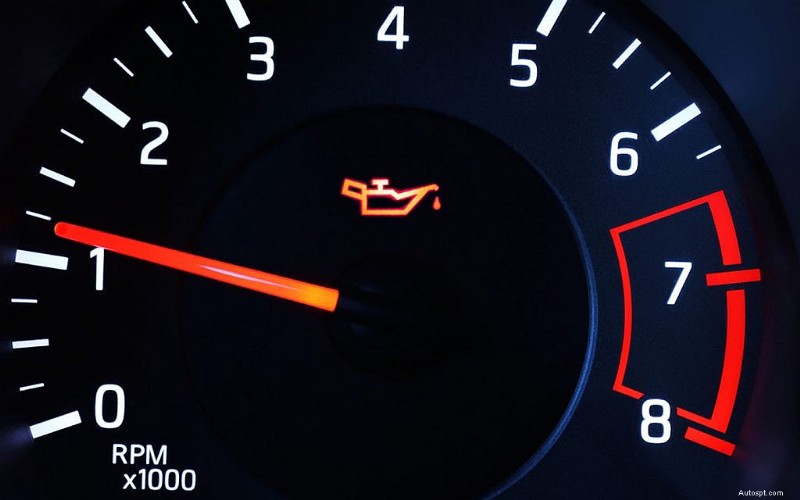
Knowing what causes low engine oil pressure can help you prevent the problem. Following are some common reasons for low engine oil pressure:
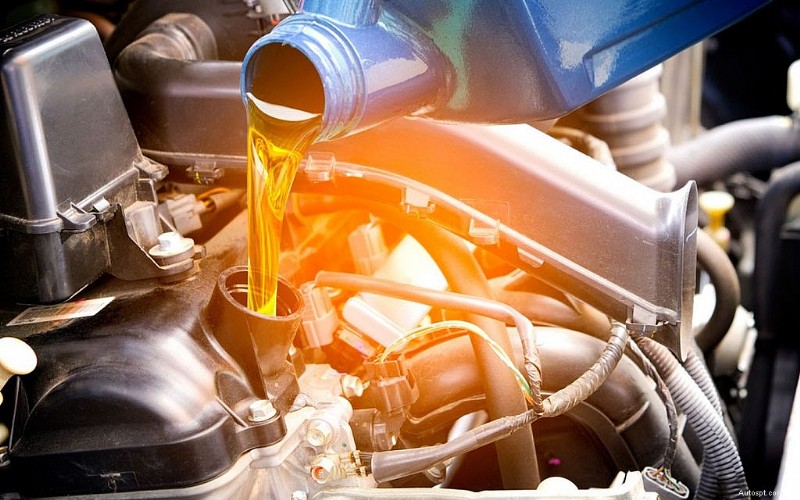
A lower level of oil in your engine is the top reason for low car engine oil pressure. Drivers often forget to change the engine oil as frequently as required. Check the engine oil as often as recommended by your car’s manufacturer. If the levels have gone down on the dipstick, pour in more oil.
Engine wear is both the consequence and cause of lower oil pressure. Sometimes an engine fault caused by another factor may lower oil pressure. For instance, if there is a leak in the engine supply lines of your car, the oil will bleed through tiny leaks and holes. Therefore, whenever you suspect low engine oil pressure, take your car to the workshop and get the car engine checked thoroughly for holes and leaks.
Oil pressure gauges are installed by car manufacturers to help the driver keep an eye on oil pressure. Sometimes there are problems with the gauge that causes it to show faulty reading. As a consequence, car owners don’t know when the engine oil pressure gets low. To make sure the gauge is working properly, ask an auto expert to perform an oil pressure reading to be sure of the oil pressure.
Oil filters play an essential part in retaining your car’s engine oil pressure. A clogged oil filter is a big obstruction in the engine oil’s pathway and will naturally reduce the pressure. The pressure relief valve of an oil filter also has an important role to play. The valve makes sure the pressure doesn’t get too intense. If this relief valve is damaged, a large amount of oil will be wasted and the engine oil pressure will reduce.
Engine oil viscosity also causes low engine oil pressure in cars. Oil viscosity refers to the thickness of your car oil. Be careful when selecting your motor oil. The oil pressure sensors work with the manufacturer’s recommended oil viscosity.
Car oil with higher viscosity is going to be thicker and it wouldn’t flow as quickly as oil with lower viscosity. Oil with higher viscosity might also result in a resistant flow not allowing the pressure to build up more swiftly. On the other hand, lower viscosity means easy oil outflow through oil galleries with less resistance. However, as a consequence, the pressure will not build up. Therefore, always go with the manufacturer’s recommendations.
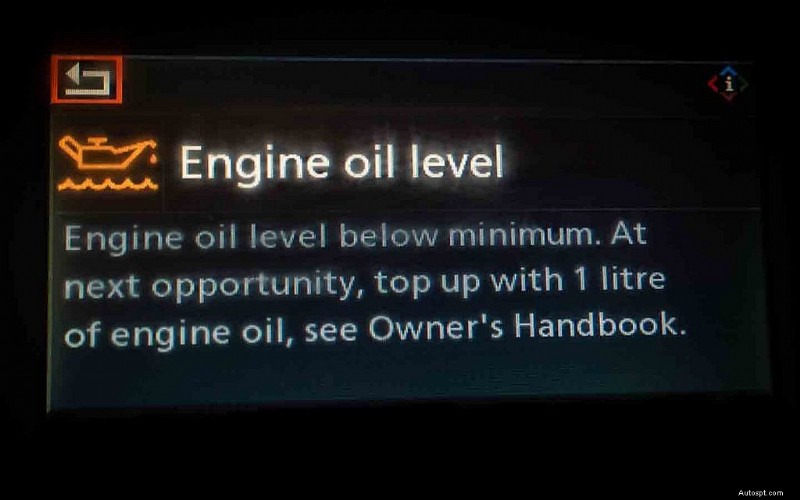
Low engine oil pressure is harmful to your car’s health and the expenses can be heavy. To avoid expensive repairs, you must check and top up your engine oil regularly. You must also use motor oil with the right viscosity rating as recommended by the car brand’s manufacturer.
If there are external oil leaks, replace the hoses and pipes. In case of an internal oil leak, seek professional help. Moreover, if the oil pressure gauge is completely damaged, try to get it repaired; if it’s beyond repair, replace it.
These were the most common reasons that lower engine oil pressure of cars. However, if your engine is asking for really expensive repairs, getting a quality used car might be more economical than spending a huge sum of money on fixes. Here is a list of used cars on dubizzle:
Stay tuned to the UAE’s leading auto blog for more information on common car issues and their solutions.
