
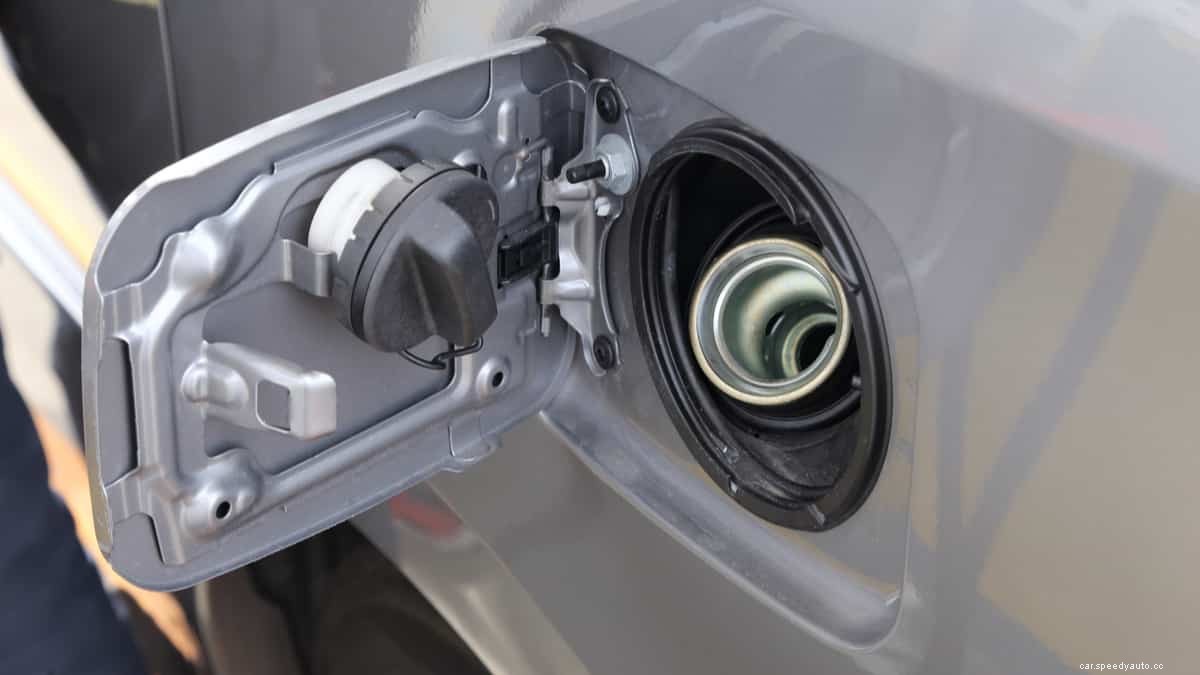
Do you suspect you have water in your gas tank and want to get it out of there? Water in the gas tank is very common in older cars with rusty tanks and bad tank breathing. However, these problems also occur in newer vehicles.
Like you probably already know, cars will unfortunately not run on water and if you have water in your gas tank, your car will definitely not like it.
But how do you know if there is just a small amount of water in the gas tank and how can you remove it from there? In this article, we will talk about these questions. Let’s begin!
The most common symptom of water in the gas tank is rough acceleration or misfires. You can also notice signs like a check engine light on your dashboard or white steam coming from the exhaust pipe.
While these symptoms probably didn’t help you too much, they will give you a quick overlook. Here is a more detailed list of the most common symptoms of water in gas tanks.

The most common sign of all water in gas tank symptoms is probably rough acceleration. Because the engine thinks that the water is fuel – the air-fuel mixture will be very strange in the combustion chamber.
You can often feel this by very rough acceleration.
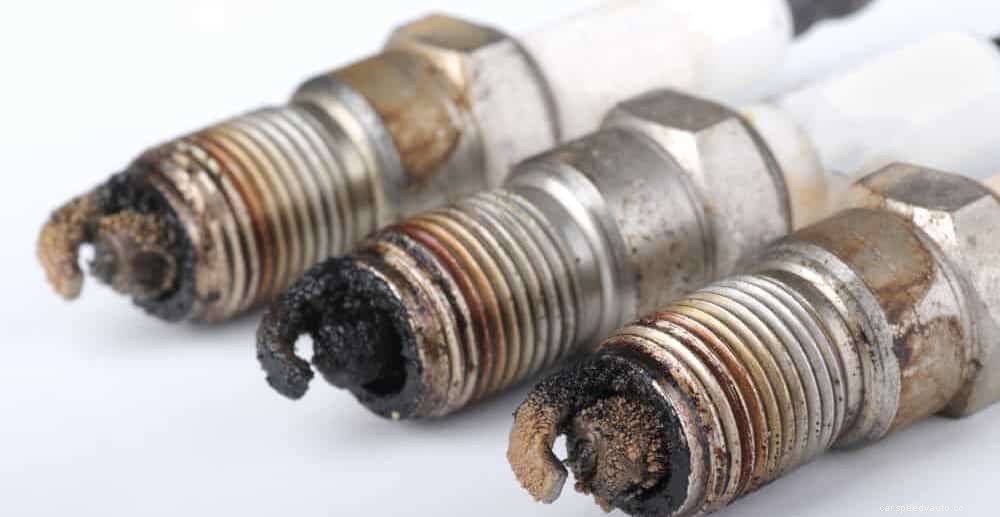
Due to the issues we talked about earlier about what will happen when the water enters the combustion chamber, you will probably also notice misfires when the water goes into the combustion chamber of the cylinder.
Misfires and rough acceleration can be two pretty similar symptoms as misfires can cause rough acceleration, but you can also notice misfires on idle.
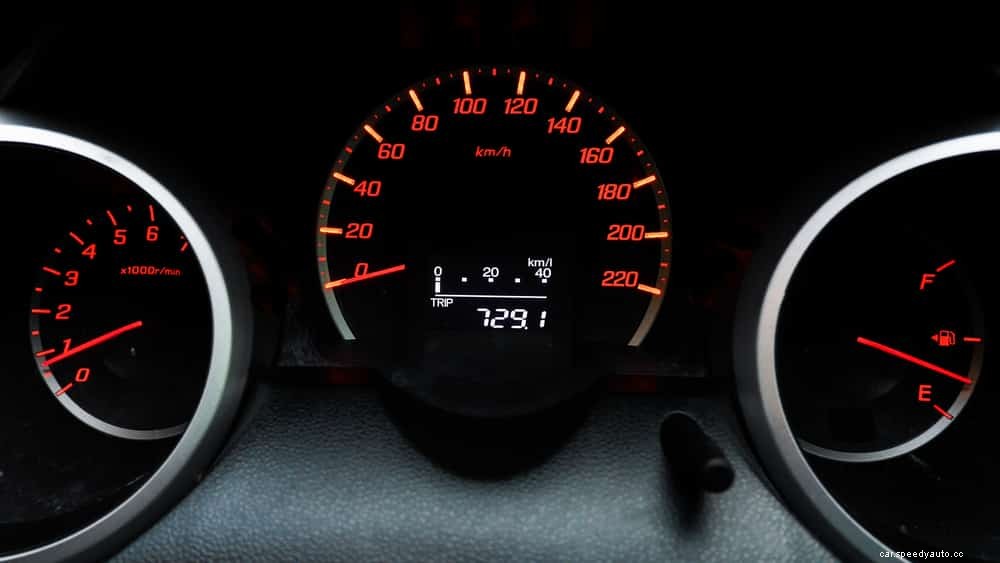
Rough idle is also a common symptom because of the faulty air-fuel mixture and the misfires. The car engine is susceptible at idle for minor mistakes, and it’s at idle you will notice the most symptoms of water in the gas tank.
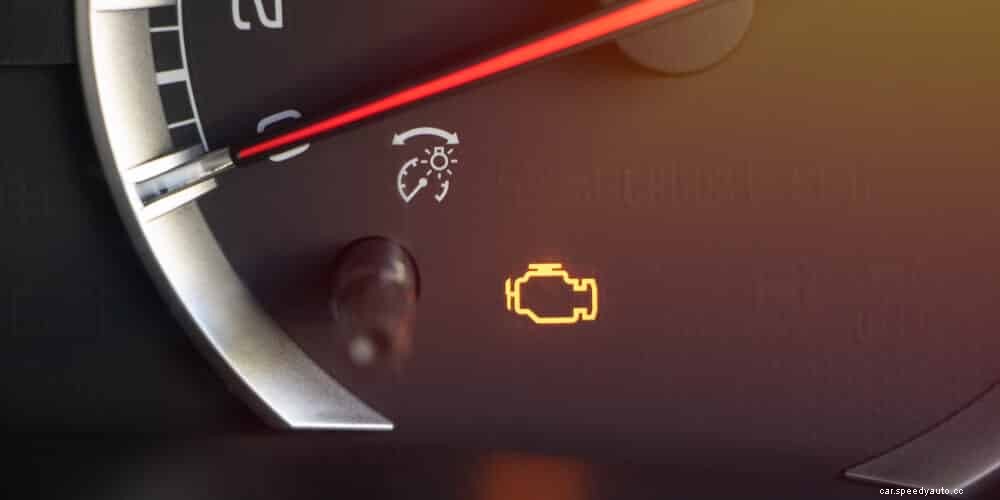
Modern cars have full-time monitoring of all the car sensors of the engine. If one sensor is getting faulty values, it will send the information to the engine control unit, which will store a trouble code in the memory and sometimes it will light up the engine light if the problem is serious.
If your check engine is lit up on your dashboard, it is definitely time to check the trouble codes with an OBD2 scanner.
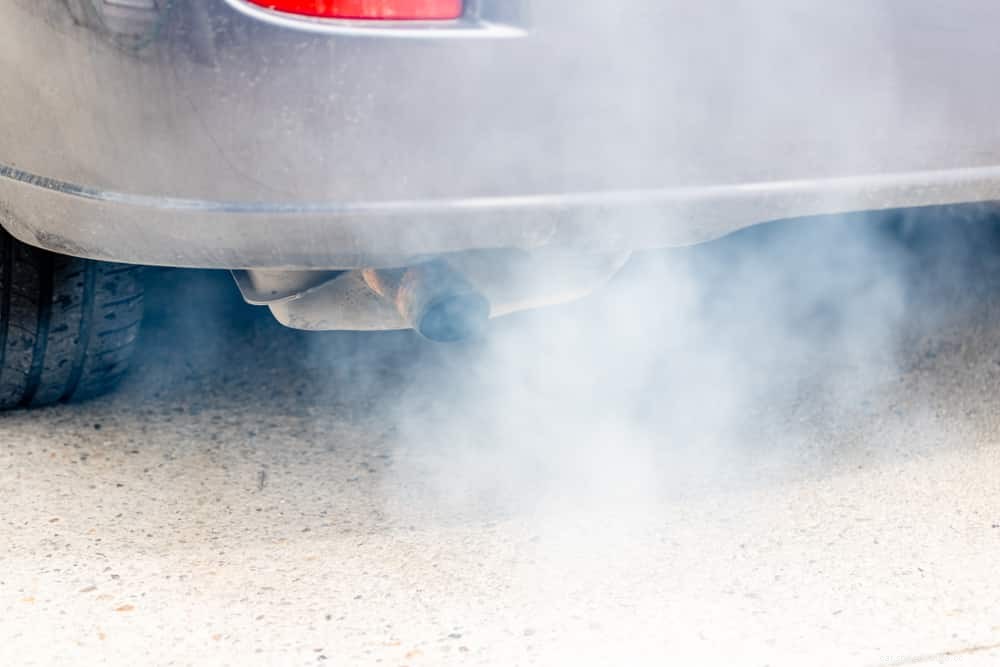
When you have water in the combustion chamber or the exhaust pipe, it will evaporate, causing steam. We all probably know what happens if you cook water over 100c – It will evaporate to steam.
So if you notice there is a lot more steam than usual from the exhaust pipe, it could be water in the gas tank causing it.
All the sensors in the car are making sure that the air-fuel mixture is at a perfect mix all the time.
If there’s water going through the engine, the sensors will get a faulty reading and cause the engine to run too rich or too lean. This can cause the engine’s power to get reduced, and you may see symptoms like slow acceleration.
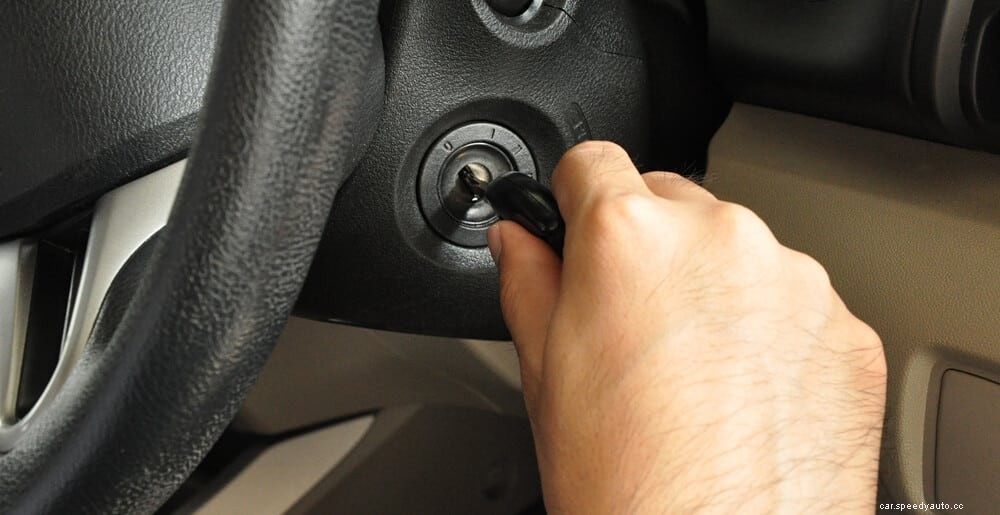
The start-up moment for any car engine is very critical. The fuel mixture has to be close to perfect, or the spark plugs will not have enough fuel to ignite the fuel, or it will get drowned, and they cannot create an ignition at all.
If you have water in the gas tank, it’s horrible for the starting condition, and you may have a hard time starting it. If you notice long cranking times, check this.
You can have so much water in the fuel that the engine will not ignite at all. There is also a possibility that your engine is hydro-locked if it won’t even crank. Water can’t get compressed like air, and when the pistons are trying to compress the air in the cylinder, it will try to compress the water, which is impossible.
This will cause the engine to lock up entirely and may even damage the engine’s internals like the crankshaft rods. This is not very common, and there has to be a lot of water in the chamber to make this happen.
If you think this is the case, remove one spark plug to make sure it’s possible to turn the crankshaft after that.

Fuel floats on top of the water and the water will stay at the bottom of the fuel tank when the vehicle has been standing for some time. When the fuel pump is pumping, the fuel and water are mixed. If the vehicle has been standing for a while, the water will be in the bottom of the tank.
Most fuel pumps suck the fuel from the bottom of the tank and what will happen if the car has been running for a while? – Yes, the fuel pump will only pump water to the engine.
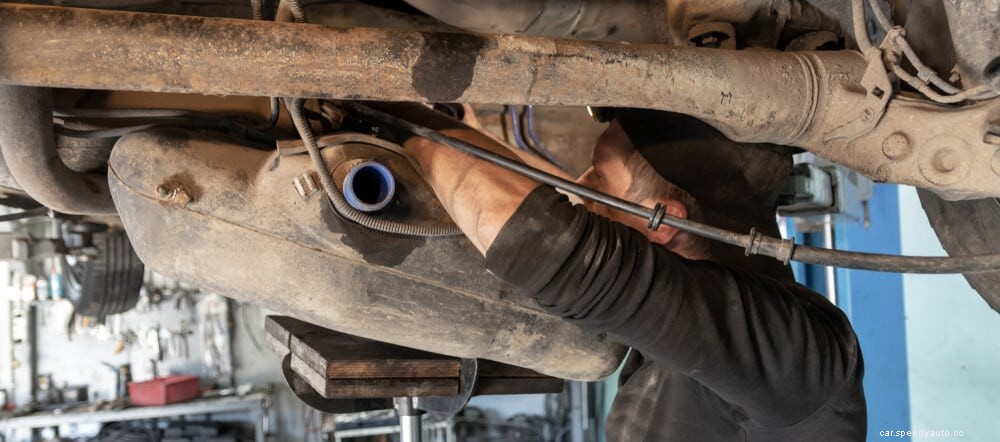
So now you know the symptoms and causes, and you are sure that you have water in your gas tank. Now it’s time to learn how you could get rid of it.
There are some different solutions for this and here are some of the tips, based on how much water you have in the fuel tank.
The best way to remove water from the gas tank is to empty the tank with a vacuum machine, replace the fuel filter, and refill it.
You need a vacuum machine to suck out all the water from the tank, so this job is better to leave to a mechanic workshop with these machines to do the work for you.
You can also pump it out with the inbuilt fuel pump, but remember that the fuel pump is often fitted some millimeters up from the bottom of the tank and maybe there will be water left on the bottom.
If you consider getting one of these machines for your workshop, I can recommend this manual storage machine from Amazon:
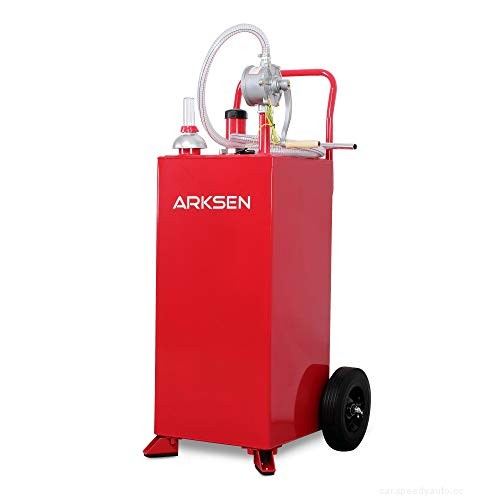 557 Reviews
ARKSEN 30 Gallon Portable Gas Caddy Fuel...
557 Reviews
ARKSEN 30 Gallon Portable Gas Caddy Fuel...
Remember to replace the fuel filter after doing this.
If you think that you have a little water in the fuel tank, you can try to get it out either with methanol or using a special fuel additive for this purpose.
Remember this will not remove loads of water from the fuel tank and only works if you have a small amount.
To get one of these fuel additives, I can recommend this one from Amazon:
 435 Reviews
STP Water Remover, All Season Cleaner for...
435 Reviews
STP Water Remover, All Season Cleaner for...
Read the instructions carefully to ensure that you are not damaging the engine or other parts. To try it with methanol, be very careful and only use small doses of methanol.
