
Water is life-giving, but it is also life-ending for engines. Life-giving water will rust and degrade engine parts if it is not removed from a machine’s fuel system. Water is removed from the system using fuel-water separators.
The presence of water in your fuel is unavoidable. And it will invariably result in significant engine difficulties. Water can be found in diesel fuel for various reasons, and it is one of the most hazardous enemies of diesel-powered engines.
Water in diesel fuel can enter for various reasons, including transportation, storing, or usage. As a result, every diesel fuel storage system should be checked for water and removed as quickly as possible.
Condensation and environmental factors cause excess water to accumulate in diesel fuel.
Water can enter into fuel tanks at any time of year, lowering the quality of the fuel. Water must be regularly removed from diesel fuel tanks as part of the maintenance process. We’ll look at how water gets into diesel fuel and how to get rid of it in this article.
Microbes (bacteria and fungi) in diesel fuel are a horrible problem that keeps coming up. They’re difficult to get rid of after they’ve infiltrated and multiplied. Because microorganisms exist at the water-diesel interface, water is crucial for establishing and multiplying.
A tank with a little amount of water in it is less likely to create this problem. Once the bacteria are in there, they produce acids that degrade fuel quality and damage tanks, block filters, and stay put until you spend extra money to get rid of them with a biocide.
One of the most common methods for water to enter the tank and fuel line is through condensation. Diesel fuel absorbs water from the air, while biodiesel absorbs much more water than regular diesel fuel.
Humid air can fill a fuel tank after it has been used, causing condensation on the tank walls. Fuel storage tanks may encounter increased condensation in places where the temperature varies between high humidity and lower temperatures.
Diesel fuel and tank equipment can also experience temperature changes. When heated diesel fuel is poured into a cold tank, moisture may condense as the diesel cools. This is frequent in diesel fuel tanks and can be controlled by draining the water on a regular basis.
Temperature fluctuations have a greater impact on diesel fuel kept above ground than it does on diesel fuel stored beneath. Because fuel has a lower density than water, it will sink to the bottom of the tank.
Water can also enter storage tanks due to human error, such as when a storage tank is left out in the rain. If the seals on the diesel tanks are broken, damp air and water can get inside. Water can accumulate in the fuel tank due to poor fuel handling techniques.
It is advisable to fill up vehicles’ fuel tanks before parking them for the night, decreasing the amount of warm damp air in the tanks.
Water is a contaminant that can cause rusting, degradation, a clog in the filtration system, and broken fuel injectors in your fuel system. While every fuel contains trace amounts of water, enough contamination can cause major difficulties throughout the system.
If there is too much water in diesel fuel, it will appear foggy and black.
When water is left in diesel for an extended period of time, germs and microorganisms might begin to thrive in the wet atmosphere. The slime produced by this type of microbial proliferation can block filters. Bacteria can also travel throughout the fuel system, causing oxidation and deterioration to numerous components.
Microbes can be difficult to remove from a fuel system. Thus they should be dealt with as soon as possible. Fuel storage tanks are commonly built of steel and iron, both of which corrode when exposed to water. Rust can block gasoline filters and potentially harm the fuel injectors if it accumulates.
Water and other pollutants can cause premature wear, corrosion, and metal parts to cling together if they reach the fuel injectors. Water can significantly influence lubrication in diesel engines, which rely on gasoline to operate as a lubricant.
When water isn’t evacuated correctly, the fuel pump and injectors can be damaged, lowering the engine’s efficiency.
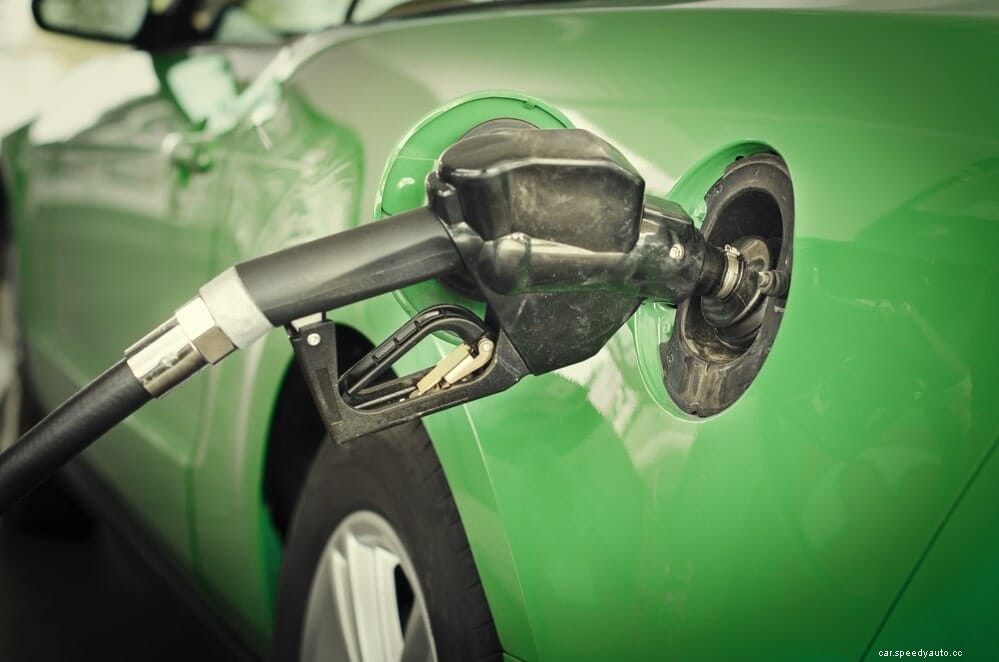
Depending on the amount of damage, the answer to how to get water out of diesel fuel may differ. Here are a few options for dealing with water in the diesel fuel tank. Seek expert help for the following solutions.
Draining the tank, cleaning it, and refueling it with good-quality fuel would be an ideal solution. This technique can be costly, but it can provide better benefits.
A fuel filter works as a barrier between the water in the fuel tank and the vehicle’s engine. However, if water gets lodged inside the filter, it may lose its effectiveness. Replacing the old fuel filter with a new one can help in this situation.
Rubbing Alcohol, a chemical that settles at the bottom of the diesel fuel tank and absorbs the water, can be used to remove water from the tank. Such a chemical will eventually flow through the engine and be combusted.
Water in diesel fuel additives can be used in the tank. The fuel and water will be diluted as a result. Additives based on methanol should work. This strategy, however, should only be utilized when there is a little amount of water.

While it may be hard to remove water from diesel fuel, you can be better prepared if it occurs. Water collection in a fuel tank or storage system should be removed as soon as feasible to avoid difficulties. Here are a few strategies to stay ahead of the game and keep water from becoming a major issue.
This keeps humid air out of the tank during the night. A cooling tank and moist air might cause condensation to occur when there is space in the tank at night.
Once a month, checking for water accumulation is a common tip. However, depending on your fuel tanks and storage systems, this rule of thumb may need to be changed. Checking for water should be a quick and painless operation that is done as frequently as feasible.
Since a small amount of water may always be present in a tank, the tank’s size will determine the safe water range. Based on the size and manufacturer recommendations, determine how much water depth will indicate the time to drain water.
It’s likely that when you remove water from diesel fuel, you’ll also lose some fuel. There are numerous alternatives for maximizing the amount of fuel that remains in the tank. Small amounts of water can be handled using additives and absorbent treatments.
Remember, the more water there is, the more difficulties there are. Drain the water if you’re unsure. The more water builds in the fuel tank and storage system over time, the more troubles you’ll have.
Water damage can be costly to repair, and it could have been avoided if water had been dealt with more regularly and in smaller volumes.
K-100 is multi-purpose gasoline and diesel additive that cleans, removes water, emulsifies, decreases pollutants, stabilizes older fuel, and increases octane rating.
With ISO-HEET Heet, you may remove any amount of water from your gas tank. ISO-HEET eliminates up to five times as much water as other additives such as chemicals and is an anti-freeze. Engine types include gas, diesel, and gas turbines. It’s simple to use.
According to some inexperienced mechanics, using isopropyl alcohol to remove water from the diesel fuel tank is a good idea because the alcohol sinks to the bottom and absorbs the water. Following that, a gas, water, and alcohol mixture is consumed.
Some auto experts, though, believe there is another side to this story. A full bottle of rubbing alcohol contains a substantial volume of water, which will be added to the water in the gas tank. Even if you wish to do it, you should obtain professional assistance from an automobile expert first.
Allow 24 hours for the fuel to sit in a dark, clear container. Water is denser than gasoline, therefore if any is present, it will settle to the bottom of the container. A thin black layer between the water and fuel separation indicates the presence of microorganisms in the fuel as well.
Allow time for the fuel to settle without being moved or shook if there is water in the tank that has to be removed. Then you can drain any water that has accumulated using the fuel-water separators.
Diesel and water do not combine in the same way as oil and water do. As a consequence, any water in your tank will eventually sink to the bottom. Your tank will corrode, and the water will cause algae to flourish.
Rust clogs and destroys your fuel filters as it spreads. Bacteria produce waste, which causes the engine and its components to decay.
The presence of water in diesel fuel is a significant issue that needs to be handled right away. A diesel engine’s fuel pump runs at extremely high pressures and tight tolerances. Any pollutant, even water, has the potential to cause significant damage.
Bacteria and fungi can grow in the fuel due to the presence of water.
These microbes produce a slime that clogs filters and fouls fuel injectors as it passes through the system. They also create acids that are capable of corroding metal surfaces.
If you’ve read this far, you’re already aware of the causes of water collection in a car’s gas tank and the best methods for removing water from diesel fuel. It’s now up to you to choose the most acceptable water removal method from the available options.
