
Before coming directly to an engine misfiring caused by spark plug, there are other various reasons that can be a problem for engine misfiring, spark plug is among the one reason against this issue, therefore we need to look at it other issue to investigate to be able to find the exact issue causing misfiring.
A small detail about what other reason for engine misfiring before coming to diagnose how to tell if a spark plug is misfiring, however few of them are Lack of Acceleration, rough idle, trouble starting faulty plug wires are in brief detail.
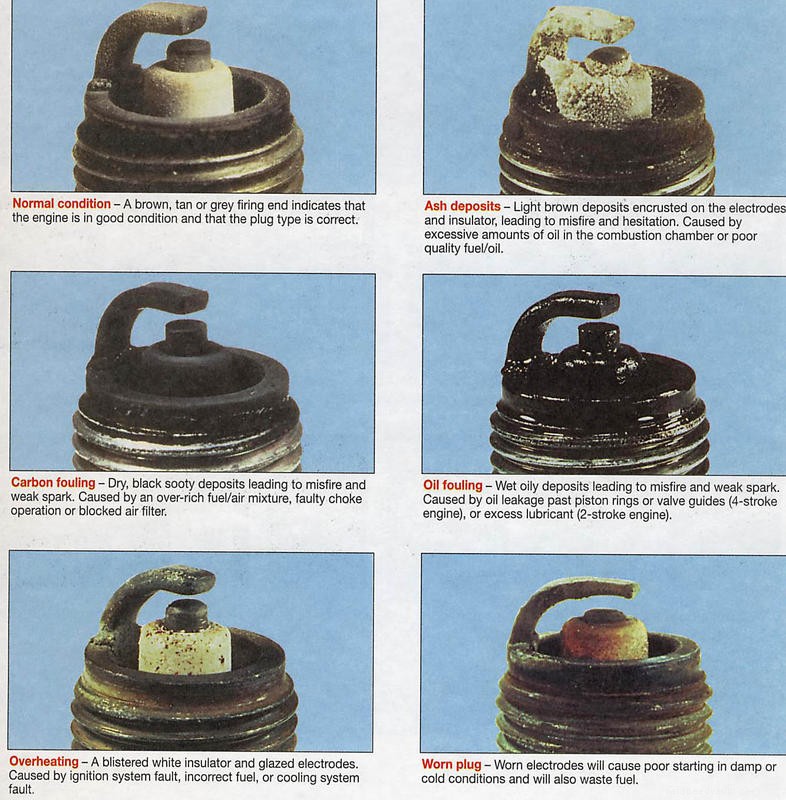
Worn spark plugs or spark plug wires can trigger your check engine light to come on, if a plug starts to fail then the most obvious event should be the check engine light coming on or even flashing.
This can cause your engine to misfire and your check engine light to pop on. A flashing engine light could mean that potentially catastrophic misfires are taking place.
Most OBD2 vehicles will have a code for “Cylinder X Misfire” that will help you locate the problem.
Car Maintenance Schedule by Mileage or Time
Faulty spark plugs can cause the car to exhibit starting troubles. Worn out plugs does not produce sufficient sparks, which is needed for starting the engine. This results in the engine to stall and fail to start quickly.
The engine will appear to stumble for a brief period of time and then regain its pace. The frequency of which this will occur depends on how serious your misfire problem is. This means the engine is not functioning as smoothly as it should because one or more spark plugs are not firing properly. Misfiring will cause increased exhaust emissions, reduced fuel economy and reduced engine power.
A single misfiring spark plug can dump enough raw fuel into the exhaust to overheat and damage the catalytic converter. Higher than normal levels of unburned gasoline in your vehicles exhaust will cause the operating temperature of the converter to soar.
What To Do When Car Is Overheating 6 Step To Follow
Uneven idling and vibrations is a major warning sign that indicates faulty spark plugs. The car engine will run at lower RPM during idling and runs smoothly without any noticeable vibrations or sound. Failing spark plugs can result in the engine to become rougher and produce vibrations when left at idle speeds.
The lack of proper acceleration is another sign of faulty spark plugs in a car. This causes the engine to not respond and struggle to increase speeds when the accelerator pedal is depressed. Malfunctioning of the spark plugs is one reason for this lack of acceleration and needs immediate replacement to restore the performance of the engine.
If your spark plugs have deteriorated you’ll notice that your vehicles fuel economy can decrease by up to 30% due to incomplete combustion. If you notice you’re having to fill up more often than usual it can be caused by deteriorating spark plugs. To get back to your vehicle’s optimum level of fuel consumption all you’ll need to do is have your spark plugs changed.
Should I Change Transmission Fluid after 100k Miles
Examine them in the dark, engine running, and watch for sparks jumping. Next, mist the wires with water and see if this causes any sparks (in the same dark environs). You can remove a wire and gently bend it to see if the rubber sheathing cracks. All of these indicate failing wires (and don’t worry, you’re looking for small sparks).
