
A vacuum leak can cause several problems such as introducing unwanted air into the engine and leaner the air-fuel mixture. It also prevents the engine from producing enough power, which hinders the entire driving experience. Not to mention, engine efficiency can drop dramatically due to such leaks. Therefore, it is important to fix this issue as soon as possible. But finding the leak is trickier than fixing it.
This guide will help you learn how to detect car vacuum leaks. However, it is worth noting that most of these methods should only be used by professionals with proper tools.
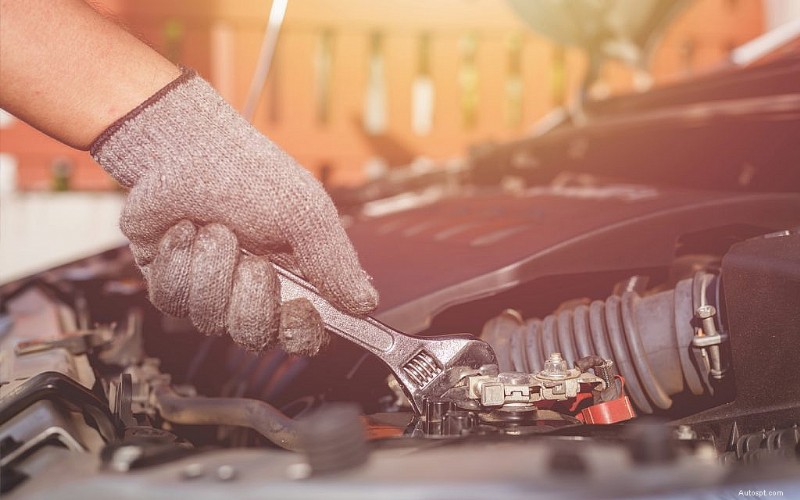
Before you start the procedure, check all the cracked and broken vacuum hoses. Vacuum hoses are made of rubber material which is why they become hard and start cracking after some years due to the engine’s heat. Replace the faulty hoses if you find any.
If there aren’t any cracked and leaky vacuum hoses then, it is time to start the engine. Apply the parking brake or put the gearbox in Park or Neutral, and start the engine. However, be careful that you will not touch any hot or moving part during the procedure.
Moreover, to proceed further, you will need flammable fluid in the form of spray or gas. Also, you can use brake cleaner, carburettor cleaner, propane gas and starter spray. However, experts recommend the usage of a propane torch and carburettor cleaner to complete this step.
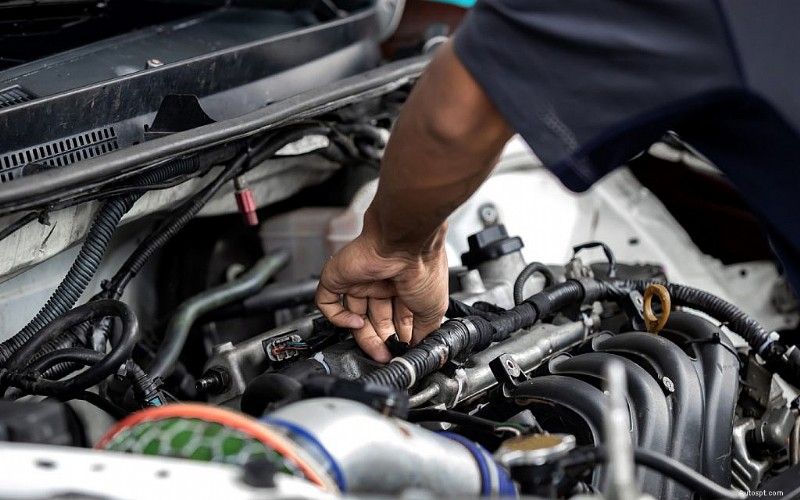
Locate the spray where the intake manifold and cylinder head is connected and spray around carefully to the connection of each cylinder head. If the RMP of the vehicle starts sounding weird then, your car is most likely to have a damaged intake manifold gasket. Furthermore, you can also spray around the further suspected areas of the intake manifold.
Now find the point where all the vacuum hoses are linked to the intake manifold and spray there. Also, keep in mind that there can be small cracks that are leaking, even if they look perfect from the outside. If you find any fluctuation in engine RPM, there is a chance that you have found the vacuum leak.
The function of the brake booster is to build a vacuum with a one-way valve. The one-way valve makes sure that the driver doesn’t have to press hard on a brake pedal to apply the brake. Spray around the other areas of the brake booster to detect a car vacuum leak. Here, you need to be careful while listening to the engine’s RPM. Since it is quite far from the engine, you might take time to notice it. However, you must know how to identify car fluids by colour and spot leaks.
Find the actuators and solenoids connected to the vacuum system by looking around the manifold and vacuum hoses. The actuators and solenoids are made of plastic which gets damaged with time. Once you find it, carefully spray around the area and replace the damaged solenoids and actuators if you find the leaking one.
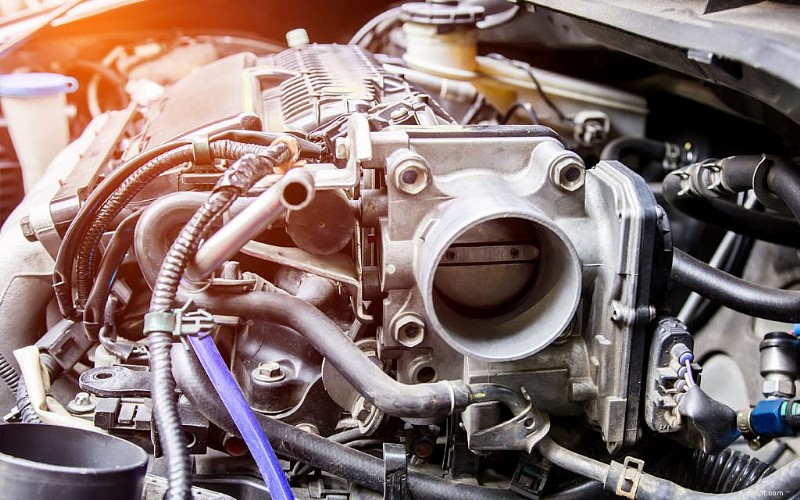
Now we are on the last step to detecting car vacuum leaks, which is checking the gasket between the throttle body and intake manifold. The throttle body is fixed into the intake manifold, or you can also find a rubber gasket between these two parts. In case the gasket goes bad and starts leaking, you can spray on the areas around the throttle body to check for leaks.
Besides, you can also check vacuum leaks around the intake using soap and water. Use soapy water and spray on the suspected areas while the engine is running. If the vehicle’s idle levels out after spraying the soapy water, then there is a chance that it has blocked the leak temporarily.
Here is a list of performance issues that you should keep in mind, as they may be related to a vacuum leak:
Remember that these symptoms are not exclusive to a vacuum leak. For example, EGR valve problems, compaction, or poor ignition timing can also cause one or more of these symptoms. Leave it to the professionals to examine the signs and identify the real culprit.
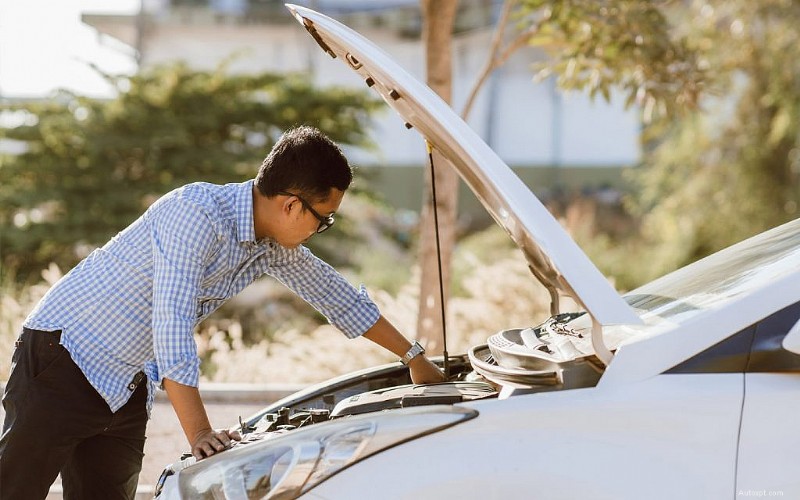
Here is the list of diagnostic trouble codes (DTCs) that can be triggered by several faults, such as a vacuum leak.
If the car vacuum leaks have become a constant issue for you then it is better to consider buying a used car in the UAE at reasonable rates. For this you can check the listings on dubizzle:
This concludes our guide on how to detect car vacuum leaks. For more information on cars, car parts and DIYs, stay tuned to the UAE’s top auto blogs.
