You may think you know how to make a tank of gas last as long as possible, but there are a lot of fuel economy myths out there. It’s smart to want to maintain proper fuel economy and get the most out of each tank of gas. However, there’s a lot of misinformation out there and you want to be sure you actually know what’s going on with your car’s fuel economy. How many of these fuel economy myths have you been following?
You’ve likely been told at some point that idling uses less fuel than starting your car. That probably made you wonder why more and more cars are adding a function to auto start/stop your car when it comes to a halt. Aside from it being potentially annoying at a stop sign or in traffic, why would they want to add a function that causes your fuel economy to take a hit? That’s because it’s better to stop fuel from injecting into the engine while sitting at a light instead of continuing to idle, even if you shift into neutral.
This myth likely comes from when cars had carburetors and it did take more effort to start a car. Now, modern cars are computerized, meaning it’s easy to shut off the fuel injectors while idling so that less fuel is spent while your car is sitting still.
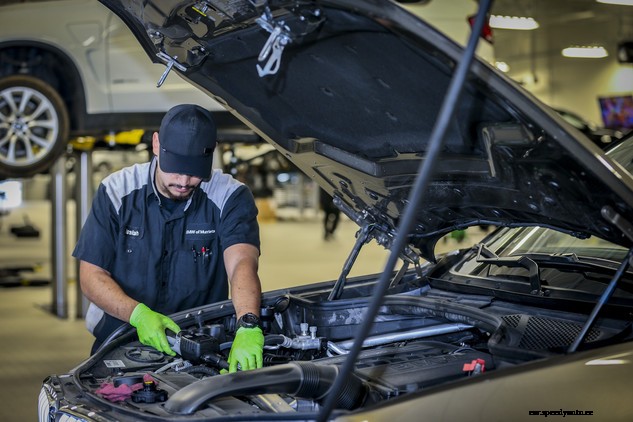
Think your used car will get worse gas mileage than a new car, just because of its age? Think again. Gas mileage has much less to do with the age of a car and much more to do with how well it’s maintained. That used car you’re considering should get the same fuel economy as when it was brand new if the previous owner kept up with its maintenance schedule.
The best way to ensure your car keeps the best fuel economy and overall performance possible is to keep up with regular maintenance. This includes regular oil changes, transmission fluid flushes, tune-ups, and any other servicing recommended by your car’s manufacturer.
No, premium fuel isn’t better for any car you put it in. The reason for different fuel grades is more about the variety of engine types than improving fuel economy. Some engines are built in a way that requires higher-octane, premium fuel, while others are built for regular fuel. You won’t benefit from using a fuel type that’s different from what’s recommended by the manufacturer.
Just bought a new car or using a rental car? Take a look at the owner’s manual before you fill-up the gas tank for the first time. Using the wrong type of fuel can cause more problems than just worse fuel economy – it could lead to engine damage.
In modern cars, air passes through both the air filter and the mass airflow sensor as it flows into the engine, so the amount of fuel can be adjusted according to how much air is actually being brought in. This means your fuel economy won’t take a hit from a dirty air filter. This myth likely came from older cars where air came indirectly from outside, through the air filter, then into the carburetor and it was possible your fuel economy could be lower with a dirty air filter.
It is possible that you could notice an impact on your acceleration power with a dirty air filter, even in a newer car. This is because if less air is coming into your engine due to a dirty air filter, the amount of fuel will be adjusted to match, but you’ll end up with less power than you should have.
Your car’s cruise control helps maintain a relatively even speed, so that should improve fuel economy, right? Not necessarily. When you hit a hill while using cruise control, it can feel like you just stamped your foot down on the accelerator and that will use extra fuel whether you’re using cruise control or do it yourself.
On flat terrain, it may be true that cruise control can save you some gas mileage. However, if you see a hill coming up or are driving longer distances over uneven terrain, it may be best that you just control your car’s speed on your own – or at least know that you aren’t saving any money on fuel economy if you do use cruise control.