
Timing is key with your engine. A air-fuel mixture is passed through the engine and your spark plugs ignite that mixture in the combustion chambers of your engine. When the balance of air and fuel or the timing is thrown off, it can lead to engine knocking. You’ll hear an audible pinging sound and may even notice a jerk in the movement of your car. This happens typically because of premature or out-of-sync combustion in your car’s engine.
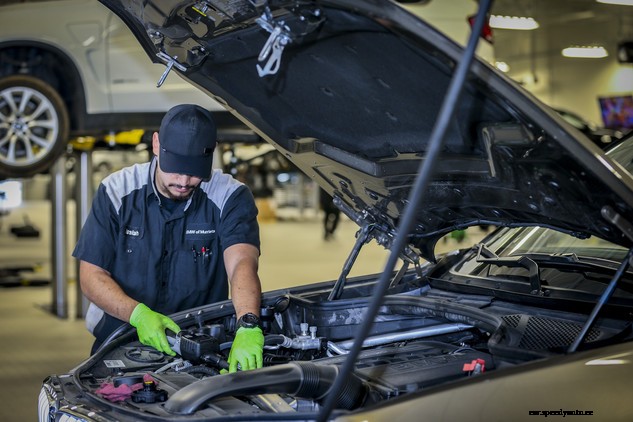
There are some ways you may be able to fix engine knocking yourself, depending on what the underlying problem is. A few ways you might be able to fix engine knocking include:

While you may think that premium fuel is better for any engine, that’s not true. Take a look at your car’s owner’s manual before filling up for the first time to ensure you buy the correct type of fuel. Some cars are built for premium fuel. If yours isn’t, using premium fuel can actually harm your engine, not help it. Lower octane fuel takes less pressure to burn, so it can cause premature combustion if your engine isn’t built for it.
Though American fuel contains detergents to prevent carbon buildups, they still happen, just at a slower rate. Over time, as those carbon deposits accumulate in your engine’s cylinders, they can cause premature combustion by reducing the overall volume in the cylinder. This increases the pressure in your cylinders and means they can ignite sooner than they should.
In order for combustion to happen properly, it requires working spark plugs. If one or more of your spark plugs is wearing out or has failed, it can mean improper ignition of the air-fuel mixture. This is also true of using the proper type of spark plug. If the wrong type has been installed in your car, it may lead to incorrectly-timed combustion in your car’s engine, causing engine knocking.
If one of your fuel injectors becomes clogged or wears out, it can throw off the air-fuel mixture in your engine, potentially causing engine knocking. Too much or too little fuel can throw off the rate of combustion, meaning it can ignite too soon or too late. A clogged fuel injector can happen naturally over the life of your car and engine but should be addressed soon to prevent more serious damage.
If carbon builds up on the valve at the top of a cylinder, it can keep it from operating as it should. This can keep it from opening and closing at proper times, meaning the flow of fuel and air won’t be regulated as it should. This can throw off the timing of combustion due to incorrect pressure in the chamber.
There are some ways you may be able to fix engine knocking yourself, depending on what the underlying problem is. A few ways you might be able to fix engine knocking include:

Some of these can be done yourself at home, while others you may have to have a mechanic do for you, depending on your own comfort level.
